

Choosing the Right Catalytic Converter for Your 1978-1984 Dodge Challenger
If your Mitsubishi-built Challenger is losing power or smelling like rotten eggs, your catalytic converter may be to blame.
- Remember your 1978-1984 Challenger is a Mitsubishi-built car with a 4-cylinder engine; parts are not shared with other Challenger generations.
- A universal-fit converter installed by a professional is often the most cost-effective repair for this vehicle.
- If you live in a CARB state (like CA, NY, ME), you must purchase a specific CARB-compliant converter.
- Before replacing the converter, ensure your engine is running properly to avoid damaging the new part.
Understanding Your 1978-1984 Challenger
Before diving into replacement parts, it's important to know what your car is. The 1978-1984 Dodge Challenger was not a V8 muscle car; it was a compact coupe built by Mitsubishi in Japan. It was also sold as the Plymouth Sapporo. These cars came with a 1.6L or a 2.6L four-cylinder engine. This is crucial because parts are not interchangeable with the classic 1970-1974 Challenger or the modern 2008+ models. When searching for parts, you are looking for components that fit a Mitsubishi-based platform.
Symptoms of a Failing Catalytic Converter
When a catalytic converter gets clogged or fails, it can't process exhaust gases efficiently. This creates backpressure in the exhaust system, which chokes the engine. You will notice obvious signs that something is wrong.
- Loss of Power: The car may feel sluggish or struggle to accelerate, especially going uphill. This happens because the engine can't easily push out exhaust gases.
- Rotten Egg Smell: A strong sulfur or "rotten egg" smell from the exhaust is a classic sign. This indicates the converter is not properly processing the gases.
- Reduced Fuel Economy: Your engine has to work harder to overcome the exhaust blockage, causing it to burn more fuel.
- Rattling Noise: The ceramic honeycomb inside the converter can break apart over time, causing a rattling sound from under the car.
- Glowing Red Converter: In severe cases, a clogged converter can overheat to the point where it glows red. This is a serious fire hazard.
- Failed Emissions Test: This is often the first and most definitive sign that your converter is no longer doing its job.
Check Engine Light Note
Your 1978-1984 Challenger predates the OBD-II diagnostic systems (1996 and newer) that provide specific codes like P0420 for converter inefficiency. While a check engine light may come on for other reasons, you will have to rely on the physical symptoms to diagnose a bad converter.
Choosing the Right Aftermarket Converter
Original Equipment (OEM) catalytic converters for a vehicle of this age are no longer available. You will be choosing from aftermarket brands. They fall into a few quality and price tiers.
Direct-Fit vs. Universal Converters
You will see two main types of converters for sale: direct-fit and universal.
- Direct-Fit: These are designed to bolt directly into your vehicle's exhaust system without modification. They are easier and cheaper to install but cost more for the part itself.
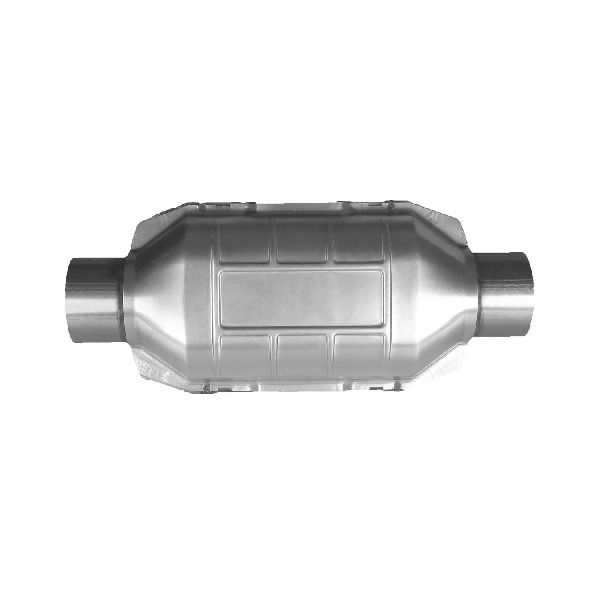
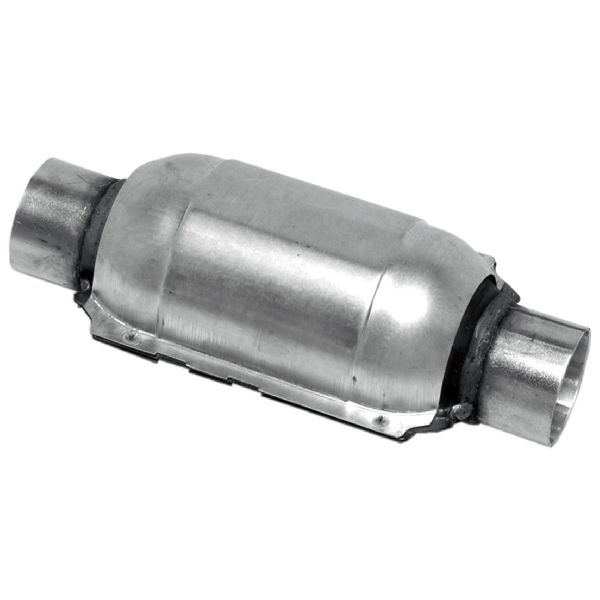
- Universal: These are designed to fit a wide range of vehicles but require professional installation. The installer will need to cut the old converter out and weld the new one into place. For an older vehicle like the Challenger, a universal converter is often the most cost-effective solution.
Brand Tiers
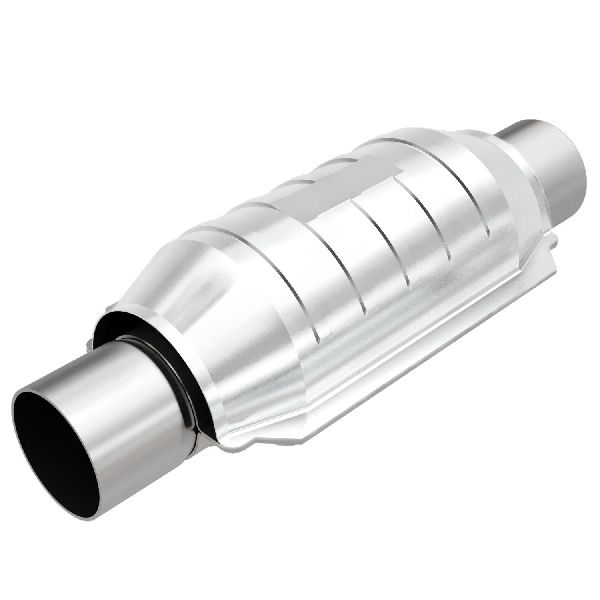
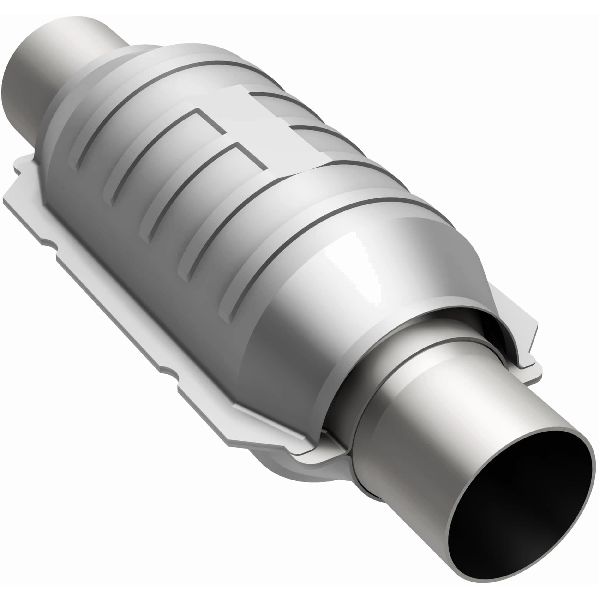
- Performance (MagnaFlow): MagnaFlow is generally considered a higher-quality brand. They often use stainless steel construction and are known for good performance and durability. If you're looking for the best flow and longest life, MagnaFlow is a strong choice.
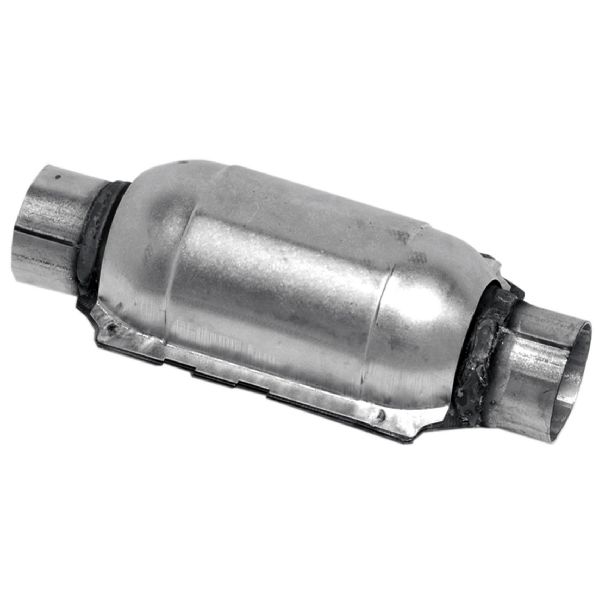
- Standard (Walker): Walker is a major manufacturer of exhaust components and a supplier to car companies. Their parts are designed to be similar to the original factory part. However, some users in forums have noted that recent quality can be inconsistent, with potential for fitment or rust issues sooner than expected.
- Economy (AP Exhaust, Eastern Catalytic): These brands provide a budget-friendly option to get your car back on the road and pass emissions. While functional, some professional installers and users have reported that they may not fit as perfectly as other brands and may have a shorter lifespan.
A Note on CARB Compliance
If your vehicle is registered in California or a state that has adopted California's strict emissions standards (like New York or Maine), you MUST install a CARB-compliant catalytic converter. Federal EPA-compliant converters are not legal for sale or use in these states. Always check your local regulations before purchasing. Magnaflow and Eastern Catalytic offer CARB-compliant options for older vehicles.
Cost of Replacing Your Catalytic Converter
The total cost will depend on the part you choose and local labor rates. Since a universal converter often requires welding, the labor cost may be slightly higher than for a simple bolt-on part.
| Item | Estimated Cost |
|---|---|
| New Aftermarket Catalytic Converter | $84 - $560 |
| Shop Labor (including welding for universal fit) | $150 - $300 |
| Total Estimated Cost | $234 - $860 |
Costs are estimates and may vary based on your location, the specific part chosen, and the condition of your exhaust system. Rusted bolts and pipes can increase labor time.
Frequently Asked Questions (FAQ)
Can I install a catalytic converter myself?
If you purchase a direct-fit converter and have experience with exhaust work, it is possible. However, most replacements for this vehicle will likely be universal converters that require cutting and welding, which should be left to a professional exhaust shop.
Why did my original converter fail?
After 40+ years, simple age and corrosion are the most likely culprits. However, other engine problems can destroy a new converter quickly. An engine that burns oil or runs too rich (too much fuel) can send unburned fuel into the exhaust, causing the converter to overheat and melt internally. Always make sure your engine is in good tune before replacing a converter.
Can I just remove the catalytic converter?
No. Removing a catalytic converter is illegal in all 50 states. It violates federal law and will cause your vehicle to fail any emissions inspection. It can also result in a check engine light and poor engine performance on vehicles designed to have one.
Are there any recalls for the 1978-1984 Challenger catalytic converter?
No. A search of the National Highway Traffic Safety Administration (NHTSA) database shows no recalls or technical service bulletins (TSBs) related to the catalytic converter for the 1978-1984 Dodge Challenger. Any recalls found are for much newer models.
Technical Specifications
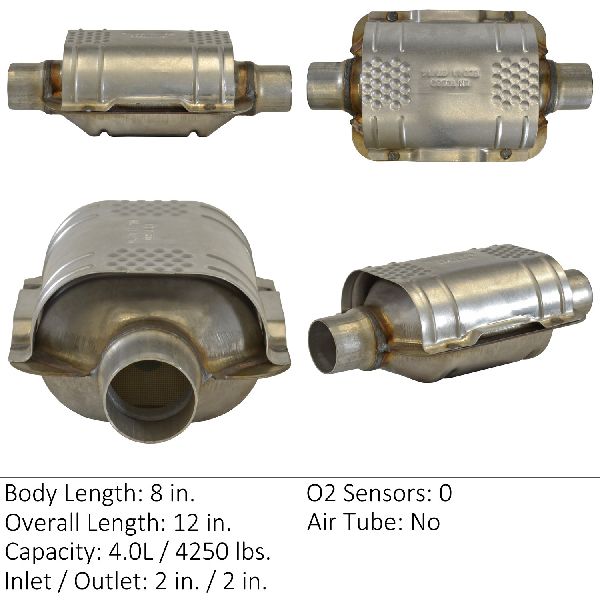
Key specifications will depend on whether a direct-fit or universal converter is chosen. For universal converters, the most important specification is the inlet and outlet pipe diameter, which is typically 2.0 inches for the 2.6L engine. The overall length and body shape must also fit in the available space.
We Have This Part in Stock

The information in this article is provided for general reference and educational purposes only. Vehicle specifications, procedures, and part compatibility can vary by production date, trim level, and region. Always consult your vehicle's factory service manual and verify part numbers before purchasing or performing repairs. Safety-critical components such as airbags, seat belts, and braking systems should be installed by a qualified professional.