

Ford E-100 Econoline A/C O-Ring and Gasket Kit Replacement Guide (1978-1983)
Stopping A/C leaks in your classic 1978-1983 Ford E-100 Econoline starts with the right seals.
- For a 1978-1983 Econoline, you must use an aftermarket O-ring kit compatible with an R-134a refrigerant conversion.
- This is not a DIY job; it requires professional refrigerant recovery and recharging equipment.
- While the system is open, it is mandatory to replace the A/C accumulator/drier to protect the system from moisture.
- Inspect for common related issues like vacuum line leaks (for vent control) and rotted evaporator case gaskets.
Why Your Econoline's A/C is Leaking
If the air conditioning in your 1978-1983 Ford E-100 Econoline isn't blowing cold anymore, the most common cause is a refrigerant leak. The A/C system is a closed loop with many connection points, and each one is sealed by a small rubber O-ring. After 40+ years, these rubber parts simply wear out. They get flattened, crack from heat and vibration, and lose their ability to hold a seal, allowing the refrigerant to escape. An O-ring and gasket kit is the first step to restoring the integrity of your A/C system.
Symptoms of Leaking A/C O-Rings
- Warm Air From Vents: The most obvious sign. As refrigerant leaks out, the system can no longer remove heat from the cabin effectively.
- Visible Oily Residue: A/C refrigerant contains oil to lubricate the compressor. When refrigerant leaks, it carries this oil with it, leaving a greasy film on hoses, fittings, or around the A/C compressor.
- A/C Compressor Won't Turn On: Most A/C systems have a low-pressure switch that prevents the compressor from engaging if there isn't enough refrigerant, protecting it from damage.
Critical Step: Converting from R-12 to R-134a
Your van's original A/C system used R-12 refrigerant (Freon), which is no longer produced or available to the public. Any A/C repair today requires converting the system to modern R-134a refrigerant. This means you must use an O-ring kit made from HNBR (green) material that is compatible with R-134a and its corresponding PAG oil. Using old-style black rubber O-rings will lead to premature failure.
Choosing the Right Aftermarket O-Ring Kit
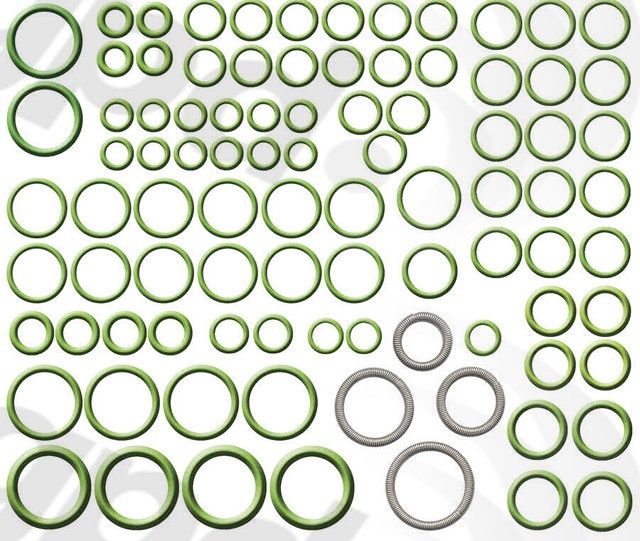
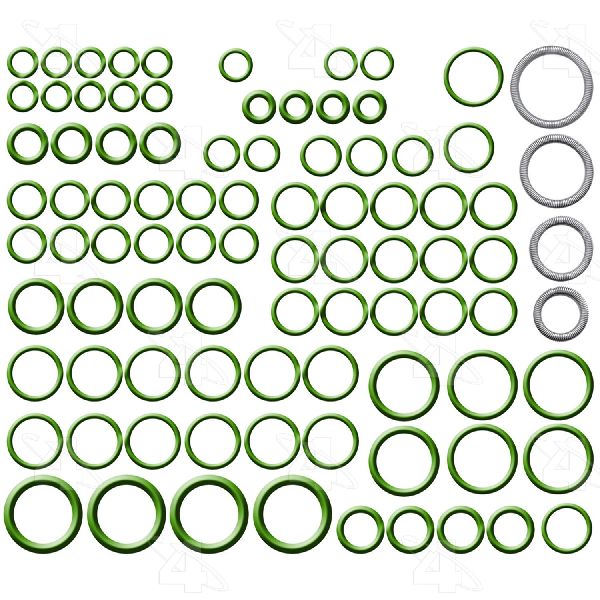
For a vehicle of this age, new OEM O-ring kits from Ford are not available. The aftermarket is your only option, which is perfectly fine for a part like this. The key is to get a vehicle-specific kit to ensure you have all the correct sizes. The two common brands you'll encounter are Four Seasons and Global Parts (GPD).
- Four Seasons: Generally considered a reliable and established aftermarket brand for A/C components. They have a long history in the industry, and their parts are often seen as a safe bet for quality and fitment. For a critical but inexpensive part like an O-ring kit, Four Seasons is a solid choice.
- Global Parts (GPD): GPD is often a more budget-focused brand. While their parts will work, some users have reported lower quality control on more complex components like compressors. For an O-ring kit, the risk is lower, but it's something to be aware of. The quality of the rubber material is what matters most.
Verdict: Both brands offer kits designed for the R-134a conversion. Given the small price difference, the Four Seasons kit is often preferred for its reputation and perceived reliability.
| Part Type | Estimated Cost |
|---|---|
| New Aftermarket Kit (Four Seasons, Global Parts) | $19.59 - $23.74 |
| Shop Labor (Evacuate, Install, Vacuum, Recharge) | $250 - $500+ |
| New OEM Kit | Not Available |
This is Not a Simple DIY Job
While the O-ring kit itself is cheap, the replacement process is labor-intensive and requires expensive, specialized tools. It is illegal to release refrigerant into the atmosphere. A professional shop must use a recovery machine to evacuate the old refrigerant. After replacing the seals, the system must be held under a deep vacuum to remove moisture and then recharged with the precise amount of R-134a refrigerant and PAG oil.
Related Issues to Check on Your Econoline
While you're working on the A/C, inspect these other common trouble spots on older Econoline vans:
- Vacuum Leaks: If your air blows from the defrost vents when you accelerate, you have a vacuum leak under the hood, not a refrigerant problem. Check the small plastic vacuum lines for cracks.
- Evaporator Case Gasket: The foam gasket on the main A/C box under the hood rots away, letting hot engine air get sucked into the system. This makes the A/C feel weak even if it's fully charged. Replacing this seal can dramatically improve performance.
- Clogged Evaporator Drain: If water is leaking onto the passenger floor, the evaporator drain tube is likely clogged with leaves and debris.
Frequently Asked Questions
Do I need to replace all the O-rings at once?
Yes. If one O-ring has failed due to age, the others are not far behind. A complete kit is inexpensive, and replacing all of them while the system is open for service prevents you from having to do the labor-intensive job again in a few months.
Do I have to replace the A/C accumulator?
It is highly recommended. The accumulator (or receiver/drier) contains a desiccant bag that absorbs moisture from the A/C system. Any time the system is opened to the air, this desiccant becomes saturated. Not replacing it can lead to corrosion and premature failure of your new components. Most warranties for new compressors require it.
What kind of oil do I use?
When converting to R-134a, you must use the correct PAG oil. The old R-12 system used mineral oil. The two are not compatible. The new O-rings should be lubricated with a bit of the new PAG oil before installation to ensure a good seal and prevent tearing.
Can I just use a stop-leak product?
It is not recommended. A/C stop-leak products can clog sensitive components like the orifice tube or expansion valve, leading to much more expensive repairs down the road. For a system with old, brittle seals, the only correct repair is to replace them.
Technical Specifications
Kit must be made of HNBR (Hydrogenated Nitrile Butadiene Rubber) material for compatibility with R-134a refrigerant and PAG oil.
We Have This Part in Stock

The information in this article is provided for general reference and educational purposes only. Vehicle specifications, procedures, and part compatibility can vary by production date, trim level, and region. Always consult your vehicle's factory service manual and verify part numbers before purchasing or performing repairs. Safety-critical components such as airbags, seat belts, and braking systems should be installed by a qualified professional.