

Dodge Charger HVAC Heater Hose Guide: 1978 & 1982 Models
Shopping for a heater hose? First, know that the 1978 and 1982 Chargers are completely different cars requiring different parts.
- First, confirm if you have a 1978 RWD V8 model or a 1982 FWD 4-cylinder model before ordering.
- A leaking heater hose is a critical failure; do not drive the vehicle to avoid engine overheating.
- Always replace hose clamps when installing new hoses to ensure a proper seal.
- While replacing one hose, inspect the other cooling system hoses (radiator, bypass) for signs of age and wear.
A Tale of Two Chargers
Critical Information: Verify Your Vehicle
The most important step in buying a heater hose for this era is knowing which Dodge Charger you own. The 1978-1982 model range covers two completely different vehicles:
- 1978 Dodge Charger: A large, rear-wheel-drive car (B-body platform) with V8 engine options.
- 1979-1981: The Charger was not produced in these years.
- 1982 Dodge Charger: A small, front-wheel-drive hatchback (L-body platform) based on the Dodge Omni, with a four-cylinder engine.
These cars share no parts in the engine bay. The heater hoses for a '78 will not fit an '82, and vice-versa. Always order the part specific to your exact year and engine.
Symptoms of a Failing Heater Hose
Heater hoses are made of rubber and break down over time from heat and pressure. When a hose fails, you'll notice obvious signs. Ignoring them can lead to engine overheating and catastrophic failure.
- Coolant Puddles: Bright green, orange, or pink puddles under your engine bay are a sure sign of a leak.
- Sweet Smell: The smell of antifreeze inside or outside the car means coolant is leaking. If the smell is strong inside the cabin, the leak may be at the firewall where the hoses connect to the heater core.
- No Cabin Heat: If a hose is clogged or has collapsed, hot coolant can't reach the heater core, leaving you with cold air from the vents.
- Engine Overheating: A significant leak will lower the coolant level in your system, causing the engine temperature to rise quickly.
- Visible Hose Damage: Check the hoses. If they look cracked, brittle, swollen, or feel spongy, they are due for replacement.
Choosing the Right Aftermarket Part
For a vehicle of this age, Original Equipment Manufacturer (OEM) parts are no longer available. Your only option is the aftermarket, which is not a bad thing. Reputable aftermarket brands often meet or exceed original specifications.
Brand Quality: Gates vs. Continental
Both Gates and Continental are top-tier aftermarket manufacturers for rubber automotive parts like hoses and belts. You can purchase either brand with confidence. Mechanics sometimes have personal preferences, but both are known for good fitment and durability, far exceeding generic store brands. Given the low cost of the part, it's worth choosing one of these trusted names.
Cost of Replacing a Dodge Charger Heater Hose
| Part/Service | Estimated Cost |
|---|---|
| New Aftermarket Heater Hose (Continental, Gates) | $78.07 - $81.22 |
| Shop Labor | $100 - $200 |
| Total Estimated Cost | $178 - $282 |
Frequently Asked Questions (FAQ)
Are the 1978 and 1982 heater hoses interchangeable?
No, absolutely not. The 1978 Charger is a RWD V8 car, while the 1982 model is a FWD 4-cylinder car. The engine layouts, hose routing, diameters, and lengths are completely different. You must buy the hose specific to your year.
Can I just use a generic straight hose from the auto parts store?
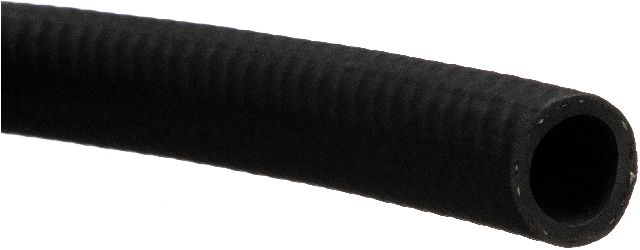
Sometimes, but it's not recommended. Many heater hoses have specific pre-molded bends to navigate around other engine components. Using a straight hose can cause it to kink, which blocks coolant flow, or rub against a hot or sharp part, causing premature failure. Always use the correct molded hose if specified.
Should I replace the hose clamps at the same time?
Yes. It is highly recommended to use new hose clamps. Old clamps can lose their tension over time and may not provide a secure seal on the new hose, leading to leaks. They are inexpensive and add peace of mind.
Were there any recalls for the heater hose on these Chargers?
No. Searches of the National Highway Traffic Safety Administration (NHTSA) database show no recalls specifically related to the HVAC heater hose for either the 1978 or 1982 Dodge Charger.
Technical Specifications
Part specifications like length, diameter, and molded shape vary significantly between the 1978 and 1982 models. Always use a part lookup tool to find the exact fit for your specific vehicle and engine.
We Have This Part in Stock


The information in this article is provided for general reference and educational purposes only. Vehicle specifications, procedures, and part compatibility can vary by production date, trim level, and region. Always consult your vehicle's factory service manual and verify part numbers before purchasing or performing repairs. Safety-critical components such as airbags, seat belts, and braking systems should be installed by a qualified professional.