

Choosing Aftermarket Disc Brake Pads for Your 1979 Chrysler 300
Keep your classic B-Body stopping safely and effectively with the right set of front disc brake pads.
- Remember your car is a 1979 model; searching for parts for a '1979 Chrysler Cordoba' will yield more results.
- For general use, a quality set of semi-metallic brake pads from a reputable brand like Centric, Wagner, or Raybestos offers the best combination of performance and value.
- Always inspect your brake rotors when changing pads and plan to either resurface or replace them for best results.
- Grinding noises or a sudden increase in stopping distance are critical safety warnings that require immediate inspection.
A Note on Your Vehicle's Year
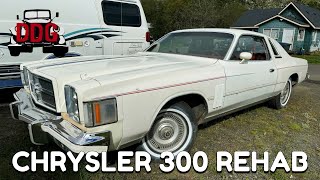
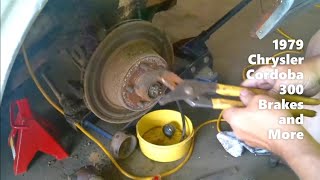
First, it's important to clarify that within the 1978-1982 timeframe, the Chrysler 300 was only produced for the 1979 model year. This special model was a high-performance variant of the Chrysler Cordoba, built on the B-body platform. 🎬 Watch this 1979 Chrysler 300 project car get new brakes. For the purpose of finding brake parts, information and parts listings for the 1979 Chrysler Cordoba are often identical and more plentiful.
Symptoms of Worn Disc Brake Pads
Knowing when to replace your brake pads is critical for safety. Worn pads can't create the necessary friction to stop your car effectively. Look out for these common signs:
- Squealing or Screeching Noises: Many brake pads have a built-in wear indicator, a small metal tab that contacts the rotor when the pad material is low, creating a high-pitched squeal as a warning.
- Grinding Sounds: If you hear a deep, metallic grinding, it means the pad material is completely gone, and the metal backing plate is grinding against the rotor. This is a critical safety issue that can cause severe damage.
- Increased Stopping Distance: If you notice your car takes longer to stop than it used to, your brake pads may be worn out or contaminated.
- Spongy or Soft Brake Pedal: A pedal that feels soft or goes further to the floor than usual can indicate worn pads or issues with the hydraulic system, like air in the lines.
- Vehicle Pulling to One Side: If the car pulls left or right when you brake, it could mean the pads are worn unevenly or a brake caliper is sticking.
Immediate Attention Required
If you experience grinding noises or a significant increase in stopping distance, have your brakes inspected immediately. These symptoms indicate a severe loss of braking performance.
Choosing the Right Aftermarket Brake Pads
Since Original Equipment (OE) parts for a 1979 vehicle are scarce, the aftermarket is your go-to source. For a classic car like the '79 300, you have several good options that offer a balance of performance and value.
Brake Pad Materials
- Semi-Metallic: This is a great all-around choice for your Chrysler 300. Semi-metallic pads offer excellent stopping power and heat dissipation. They are durable and were a common material type for vehicles of this era. Brands like Wagner, Raybestos, and Bendix offer quality semi-metallic options.
- Ceramic: While a more modern option, ceramic pads are known for being quiet and producing less brake dust, keeping your wheels cleaner. They offer smooth, consistent braking but may not have the aggressive initial "bite" of semi-metallics. Power Stop and EBC Brakes are popular brands for ceramic pads.
- Organic: These are less common now for front disc applications. While quiet and easy on rotors, they wear faster and don't handle high heat as well as other types, making them less ideal for a heavy vehicle.
Pro Tip: Consider a Hardware Kit
When replacing your brake pads, it's also a good idea to replace the brake hardware. These clips and springs hold the pads in place and can lose their tension over time, leading to noise and uneven wear. Many aftermarket pad sets come with new hardware, but if not, purchase a kit separately.
Aftermarket Brand Tiers
Several reputable brands manufacture brake pads that fit the 1979 Chrysler 300/Cordoba platform.
- Premium Brands (EBC, Hawk, Power Stop): These brands often offer performance-oriented pads, including ceramic and high-performance semi-metallic compounds. They are an excellent choice for owners who want enhanced braking performance.
- Daily Driver Brands (Wagner, Raybestos, Bendix, Centric): These brands are the workhorses of the aftermarket, providing quality and reliability that often meets or exceeds original specifications. They offer great value and are perfect for normal driving.
- Economy Brands: While budget-friendly, some economy pads may not offer the same longevity or quiet operation as higher-tier brands. For a component as critical as brakes, it's often worth investing in a recognized daily driver or premium brand.
Known Issues, Recalls, and TSBs
Searches for official recalls or Technical Service Bulletins (TSBs) from the National Highway Traffic Safety Administration (NHTSA) for the 1979 Chrysler 300's brake pads did not yield any specific results. Most brake issues on a vehicle of this age are related to general wear and tear of components like pads, rotors, calipers, and rubber brake lines, which can degrade over time. 🎬 See a front brake and line replacement on a Cordoba. Owners in forums sometimes discuss issues related to mismatched parts (e.g., incorrect master cylinder for a disc brake setup) or failing brake boosters, which can cause a hard pedal or a hissing sound.
| Part Type | Estimated Cost |
|---|---|
| New Aftermarket Pad Set (Semi-Metallic) | $15 - $30 |
| New Aftermarket Pad Set (Ceramic) | $20 - $50+ |
| Shop Labor for Installation | $100 - $200 |
Frequently Asked Questions (FAQ)
Do I need to replace my rotors with my brake pads?
It is highly recommended. New pads need a smooth, flat surface to bed-in correctly. Installing new pads on old, grooved, or warped rotors can cause noise, vibration, and reduced performance. At a minimum, have the old rotors measured and resurfaced if they are within specification.
Are ceramic pads better than semi-metallic for my classic Chrysler?
"Better" depends on your priority. Semi-metallic pads provide great stopping power and are period-correct in performance. Ceramic pads offer the modern benefits of low dust and quiet operation. For most owners, a quality semi-metallic pad from a brand like Wagner or Raybestos is an excellent, cost-effective choice.
My brake pedal feels soft. Is it just the pads?
A soft or spongy pedal can be caused by worn pads, but it's more often a sign of air in the hydraulic system or a failing master cylinder. After replacing pads, it's essential to properly bleed the brake system to remove any air that may have entered. If the problem persists, the entire hydraulic system should be inspected.
Can I replace just the front brake pads?
Yes. Front and rear brakes wear at different rates (front brakes typically do about 70% of the braking and wear faster). You can replace the front pads on their own. However, it's good practice to inspect the rear drum brakes at the same time to ensure they are clean and properly adjusted.
Helpful Videos
Technical Specifications
The vehicle uses a front disc, rear drum setup. The front disc brake pads are of a single-piston caliper design common to Chrysler B-body platforms of the era.

The information in this article is provided for general reference and educational purposes only. Vehicle specifications, procedures, and part compatibility can vary by production date, trim level, and region. Always consult your vehicle's factory service manual and verify part numbers before purchasing or performing repairs. Safety-critical components such as airbags, seat belts, and braking systems should be installed by a qualified professional.