

Accessory V-Belts for the 1978-1982 Chrysler 300
Keep your classic Chrysler's accessories running smoothly by understanding its multiple V-belt system.
- Your vehicle uses multiple V-belts, not a single serpentine belt.
- Inspect belts regularly for cracks, glazing, and proper tension.
- It is highly recommended to replace all belts at the same time for reliability.
- Top aftermarket brands like Gates and Dayco offer excellent quality replacements.
Understanding Your Chrysler 300's Belts
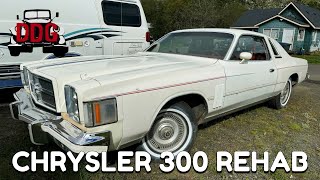
The 1979 Chrysler 300, based on the Cordoba platform 🎬 Watch this rare 1979 Chrysler 300 project car restoration video., came equipped with a 360 V8 engine. This engine, like most from its era, does not use a single, flat, ribbed serpentine belt. Instead, it relies on a set of individual V-belts. These belts get their name from their V-shaped cross-section, which helps them grip the pulleys of the accessories they drive. Depending on your car's specific options (like with or without A/C), your engine could have two, three, or even more separate belts.
Symptoms of Failing V-Belts
When V-belts start to fail, they usually provide clear warning signs. Ignoring them can lead to a breakdown if a critical component like the water pump or alternator loses power. Be aware of the following symptoms:
- Squealing Noises: A high-pitched squeal, especially on startup or when accelerating, is the most common sign of a loose or worn belt. This noise comes from the belt slipping on the pulleys.
- Visible Wear and Damage: Inspect your belts regularly. Look for cracks, fraying, glazing (a shiny, smooth surface), or pieces of rubber missing. Belts soaked in oil or other fluids should also be replaced after fixing the source of the leak.
- Accessory Malfunctions: If your power steering becomes heavy, the battery light comes on, or the engine temperature starts to rise, it could mean the belt driving that specific component has failed or is slipping badly.
- Vibrations: Excessive vibration from the engine bay can sometimes be traced back to a failing or improperly seated V-belt.
Overheating is a Critical Risk
If the belt that drives the water pump breaks, the engine will quickly overheat, which can cause severe and expensive engine damage. If you see your temperature gauge climbing into the red, pull over immediately.
Choosing the Right Aftermarket Belts
Original Chrysler-branded V-belts for a car of this vintage are not available. However, high-quality aftermarket belts are readily available from trusted brands that have been making them for decades. You don't need to worry about a drop in quality compared to the original parts.
- Top Brands (Gates, Dayco): Brands like Gates and Dayco are industry leaders and were likely original equipment suppliers for many vehicles in this era. They offer durable, reliable V-belts engineered for long life and resistance to heat and corrosion. You can't go wrong choosing a belt from either of these manufacturers.
- Store Brands (Driveworks): Many auto parts stores offer their own in-house brands. These are often more affordable and can be a good value for a standard replacement, especially for a classic car that may not see daily driver duty.
Pro Tip: When replacing belts, it's best to replace them all at the same time. They have all been exposed to the same conditions and wear. This saves you from having to do the job again in a few months when another old belt fails.
| Item | Estimated Cost |
|---|---|
| New Aftermarket V-Belts (per belt) | $5 - $25 |
| Shop Labor | $75 - $150 |
| Total (DIY) | $15 - $75 (for a set of 3-4 belts) |
| Total (Professional) | $100 - $250 |
Frequently Asked Questions
How many belts does my 1979 Chrysler 300 have?
The exact number depends on the accessories your car is equipped with. Most cars will have separate belts for the alternator, power steering, and water pump. If you have air conditioning, you will have an additional belt. It's best to visually inspect your engine to confirm the number and routing of the belts.
Can I replace the belts myself?
Yes, for a classic car like the 1978-1982 Chrysler 300, this is a very feasible DIY job. Access is generally good, and the tensioning mechanisms are simple, usually involving loosening a component like the alternator to create slack. Basic hand tools are all that's required.
How do I know if the new belts are tight enough?
Proper tension is crucial. A common rule of thumb for V-belts is that you should be able to twist the belt about a quarter turn (90 degrees) with your fingers at the longest point between two pulleys. You should not be able to turn it a full half-turn. A belt that is too loose will slip and squeal, while a belt that is too tight can damage the bearings in the accessories it drives.
Are there any recalls for the accessory belts on this car?
No. There are no specific recalls or technical service bulletins (TSBs) related to the accessory drive belts for the 1978-1982 Chrysler 300/Cordoba platform. Any issues are related to normal wear and tear over time.
Helpful Videos
Technical Specifications
The 1978-1982 Chrysler 300 uses a multiple V-belt system. The exact number and length of the belts depend on the options equipped (e.g., with or without Air Conditioning, with or without smog pump). It is critical to measure the old belts or use a vehicle-specific parts catalog to find the correct replacement sizes for your specific application.

The information in this article is provided for general reference and educational purposes only. Vehicle specifications, procedures, and part compatibility can vary by production date, trim level, and region. Always consult your vehicle's factory service manual and verify part numbers before purchasing or performing repairs. Safety-critical components such as airbags, seat belts, and braking systems should be installed by a qualified professional.