

Guide to the 1978 GMC C25 A/C Expansion Valve
If your classic truck's A/C is blowing warm, the expansion valve is a common part to suspect—here's what you need to know.
- For a 1978 GMC C25, a new aftermarket expansion valve is the only practical option, as new OEM parts are unavailable.
- Symptoms of failure include warm/inconsistent air, frost on A/C parts, and the compressor running constantly.
- You MUST replace the receiver/drier (accumulator) and use new O-rings anytime the expansion valve is replaced to ensure a lasting repair.
- This repair requires specialized A/C tools for refrigerant recovery, system evacuation, and recharging; it is not a simple DIY job without this equipment.
Is Your C25's A/C Blowing Warm Air?
When the air conditioning in a classic truck like the 1978 GMC C25 stops blowing cold, a failing A/C expansion valve is a frequent suspect. Because this part has internal moving components that regulate refrigerant flow, it can get stuck or clogged with debris over its long life. Addressing the symptoms early can prevent more widespread and costly damage to other A/C components like the compressor.
Symptoms of a Bad A/C Expansion Valve
A failing expansion valve can cause several distinct symptoms. Often, these signs point to a problem with how refrigerant is being controlled within the system.
- Warm or Inconsistent Air: The most common sign is air from the vents that isn't cold, or air that fluctuates between cold and warm. This can happen if the valve is stuck closed, restricting refrigerant flow, or if it's struggling to regulate the flow properly.
- Frost on A/C Components: You might see frost or ice forming on the A/C vents, the valve itself, or the A/C lines. This is often caused by a valve that is stuck open, allowing too much refrigerant into the evaporator and causing it to freeze.
- A/C Compressor Runs Constantly: If the expansion valve is stuck in the open position, it can send incorrect pressure signals to the rest of the system. This may cause the A/C compressor to run continuously instead of cycling on and off as it should.
- Hissing Sounds: Some owners report hearing unusual hissing or gurgling sounds from the dashboard area, which can indicate a problem with refrigerant flow through the valve.
Choosing an Aftermarket Expansion Valve
For a vintage truck like the 1978 C25, finding new original equipment (OEM) parts is nearly impossible. The market consists almost entirely of new aftermarket parts. The good news is that these parts are affordable and reliable for getting your A/C system working again.
| Brand Tier | Brand(s) | Our Assessment |
|---|---|---|
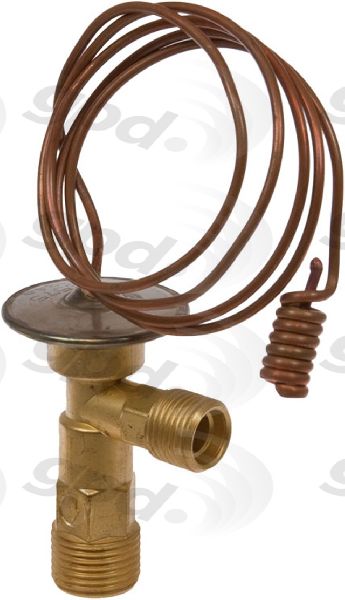
| Standard Replacement | Global Parts | Global Parts Distributors (GPD) is a common aftermarket brand for A/C components. They are generally considered a reliable, standard-tier option for repairs on classic trucks. GPD states their parts are designed to meet or exceed original specifications and are durability tested. |
Refrigerant Type is Critical
Your 1978 GMC C25 originally used R-12 refrigerant. Most of these older systems have been converted to use modern R-134a refrigerant. Before servicing the system, you MUST identify which refrigerant your truck uses. Look for a sticker under the hood or check the service port fittings—R-134a fittings are a different size than the original R-12 fittings. Using the wrong type of refrigerant or oil will damage your A/C system.
Known Issues for the 1978 GMC C25
No recalls or technical service bulletins (TSBs) from GMC have been issued specifically for the A/C expansion valve on the 1978 C25. Any failure of this part is typically due to normal wear and tear over many decades of service. While not specific to the expansion valve, a common failure point on these square-body trucks is the A/C compressor itself, which can begin to leak over time. If the compressor fails, it can send debris through the system, which will clog the new expansion valve if the system is not flushed properly.
Pro Tip: Replace More Than Just the Valve
Anytime you open the A/C system, you must also replace the receiver/drier (also called an accumulator). This part absorbs moisture and filters contaminants. A new, dry unit is essential for the health of the entire system. Failing to replace it will cause your new parts to fail quickly and will void the warranty on most new A/C components. Always use new, properly oiled O-rings on all connections to prevent leaks.
Frequently Asked Questions (FAQ)
Can I replace the A/C expansion valve myself?
While you can physically unbolt the old valve and install a new one, completing the job correctly requires specialized and expensive A/C equipment. You need a refrigerant recovery machine to legally remove the old refrigerant, a vacuum pump to remove air and moisture, and a set of manifold gauges to recharge the system with the precise amount of refrigerant. Many DIYers choose to replace the parts themselves and then take the truck to a shop for a professional evacuation and recharge.
Where is the expansion valve located on my 1978 GMC C25?
On GM trucks from this era, the expansion valve is typically a block-style valve located on the engine-bay side of the firewall. It's the component where the two aluminum A/C lines connect just before they pass through the firewall into the passenger compartment to the evaporator.
Do I need to add oil when replacing the expansion valve?
Yes. A small amount of the correct type of A/C oil (PAG oil for R-134a systems) should be added to compensate for what is lost with the old part. It is also critical to lubricate the new O-rings with A/C oil before installation to ensure they seal properly and do not tear.
What other parts should I replace at the same time?
It is mandatory to replace the receiver/drier (accumulator) anytime the A/C system is opened for service. It is also wise to replace the small orifice tube, which is another inexpensive filter/metering device in the system. Finally, always install new O-rings on any connection you disconnect.
Technical Specifications
Block Type Expansion Valve
We Have This Part in Stock

The information in this article is provided for general reference and educational purposes only. Vehicle specifications, procedures, and part compatibility can vary by production date, trim level, and region. Always consult your vehicle's factory service manual and verify part numbers before purchasing or performing repairs. Safety-critical components such as airbags, seat belts, and braking systems should be installed by a qualified professional.