

A/C Compressor Replacement Guide for the 1977-1985 Mazda GLC
Everything you need to know before replacing the A/C compressor on your vintage Mazda GLC.
- Your GLC's original R12 A/C system must be converted to use modern R134a refrigerant during the repair.
- Always replace the receiver/drier and expansion valve with the compressor to prevent premature failure and validate the warranty.
- If the old compressor failed catastrophically ('Black Death'), the entire system needs flushing and the condenser may need replacement.
- This is not a simple DIY job; it requires special equipment to safely evacuate and recharge the refrigerant.
Is Your Mazda GLC's A/C Blowing Hot Air?
If the air conditioning in your 1977-1985 Mazda GLC isn't working, a failed A/C compressor is a common cause. The compressor is a pump that circulates refrigerant, and when it fails, the whole system stops cooling. This guide will walk you through the symptoms of a bad compressor and how to choose the right aftermarket replacement for your classic Mazda.
Symptoms of a Failing A/C Compressor
- No Cold Air: The most obvious symptom is warm or hot air coming from the vents when the A/C is on. A worn-out compressor can't pressurize the refrigerant enough to cool the air.
- Loud Noises: Grinding, rattling, or squealing sounds when you turn the A/C on often point to a failing compressor. This could be from bad internal bearings or a problem with the clutch.
- Visible Leaks: The compressor has seals to keep refrigerant and oil inside. If you see a greasy, oily residue on the compressor body, it's likely leaking.
- Clutch Not Engaging: The compressor has a clutch on its pulley that engages when you turn on the A/C. You should hear a 'click' and see the center plate of the pulley start spinning. If it doesn't move, or cycles on and off rapidly, the clutch or the compressor itself may be bad.
Watch Out for "Black Death"
A catastrophic compressor failure can release metal shavings and contaminated oil into the entire A/C system. This is known as "Black Death." If this happens, simply replacing the compressor isn't enough. The new compressor will fail quickly. The entire system must be professionally flushed, and you must also replace the receiver/drier and expansion valve to clean out all the debris.
Choosing a New Aftermarket Compressor
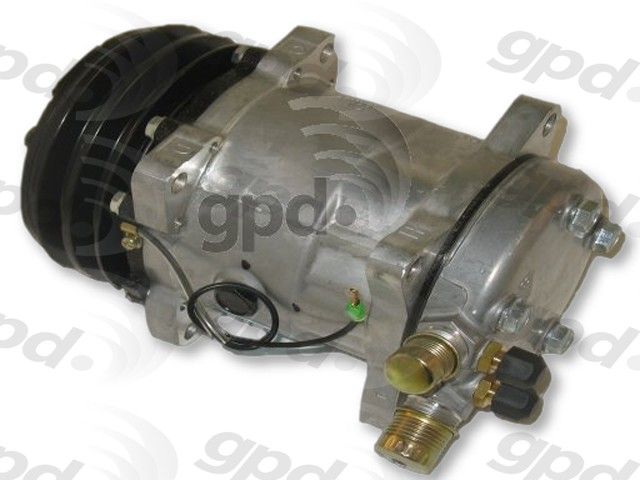
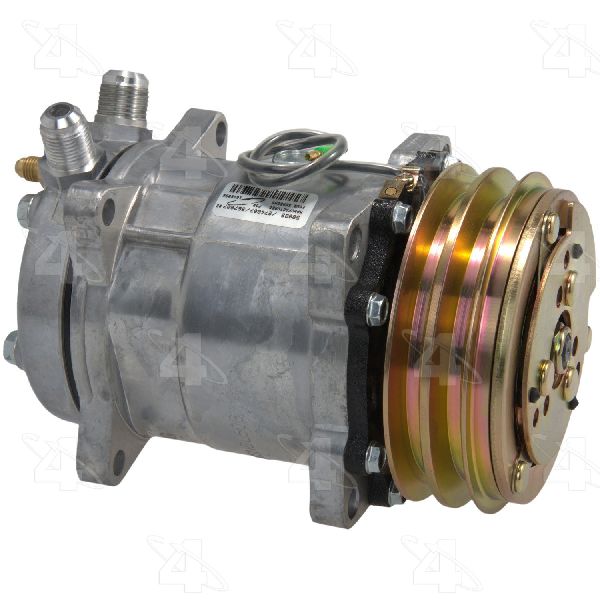
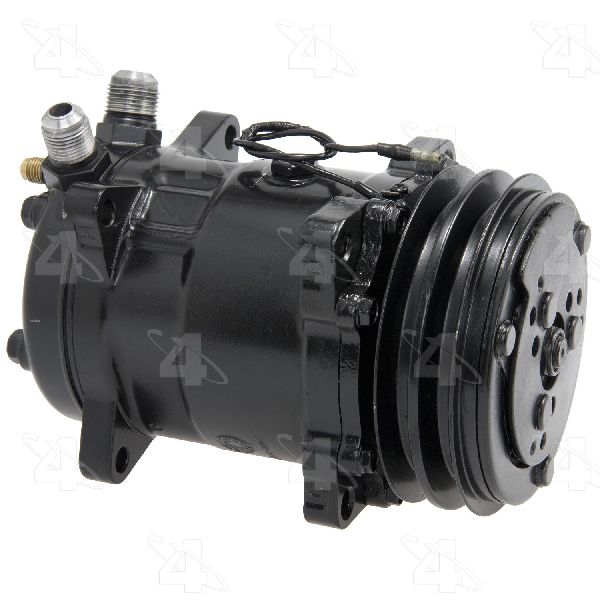
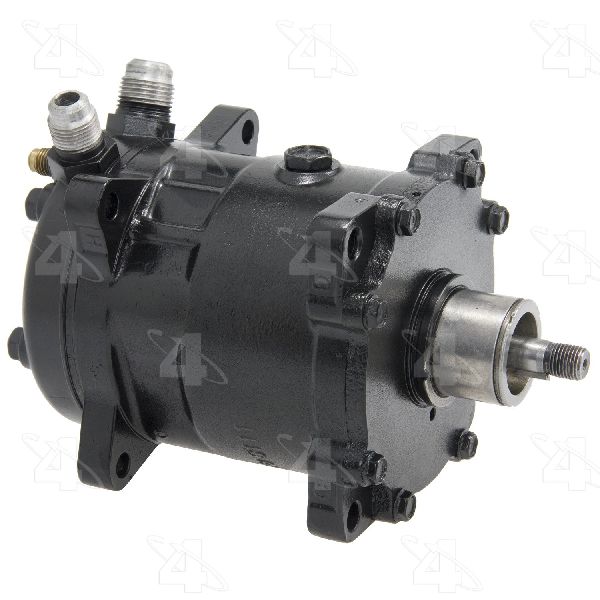
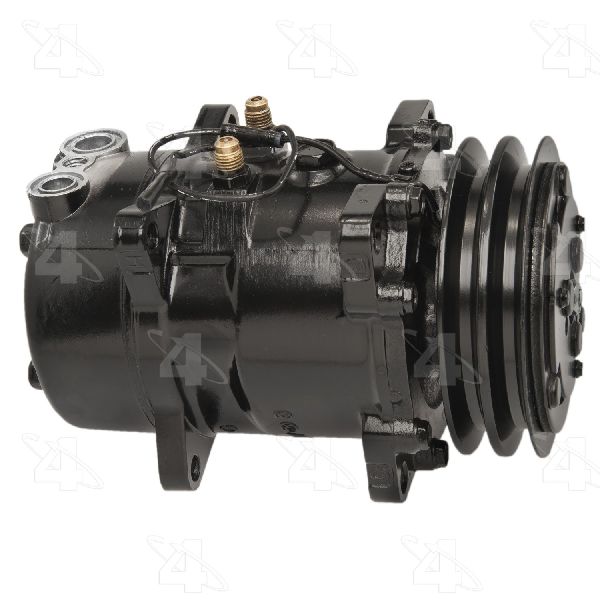
For a vehicle as old as the 1977-1985 GLC, new Original Equipment Manufacturer (OEM) compressors are no longer available. Your only options are new or remanufactured aftermarket parts. The two most common brands you will find are Four Seasons and Global Parts Distributors (GPD).
- Brand Tier 1 (Standard Aftermarket): Brands like Four Seasons and Global Parts Distributors (GPD) are widely available. They are designed to be direct-fit replacements. Reviews for these brands are often mixed; some users have them last for years, while others report early failures. Quality control can be inconsistent. However, they are the most accessible and affordable option for a vintage vehicle like the GLC.
- Remanufactured vs. New: You may find both "new" and "remanufactured" compressors. A new aftermarket part is built from all-new components. A remanufactured part is an original OEM core that has been rebuilt with new seals, bearings, and other wear items. For this vehicle, either can be a viable option, but always check the warranty.
Always Replace Supporting Parts
To ensure your new compressor lasts and to validate its warranty, you must replace the A/C Receiver/Drier (also called an accumulator) and the expansion valve at the same time. These parts trap moisture and debris, and a new compressor needs a clean, dry system to work properly.
Cost of Replacing a Mazda GLC A/C Compressor
Here is a general breakdown of the costs. Prices can vary based on your location and the specific parts you choose.
| Item | Estimated Cost |
|---|---|
| New Aftermarket A/C Compressor | $160 - $385 |
| Receiver/Drier & Expansion Valve | $40 - $90 |
| Shop Labor & System Recharge | $350 - $600 |
| Total Estimated Cost | $550 - $1,075 |
Frequently Asked Questions (FAQ)
Do I have to convert my A/C system from R12 to R134a?
Yes, almost certainly. Your 1977-1985 Mazda GLC originally used R12 refrigerant, which was phased out in 1996. It is no longer produced and is extremely difficult and expensive to find. Modern shops are equipped to use R134a refrigerant. A conversion involves changing service ports, flushing the old mineral oil, and adding a compatible oil (PAG or Ester). Most new aftermarket compressors are designed for use with R134a.
Can I replace just the A/C compressor clutch?
Sometimes, but it's often not worth it. If only the clutch has failed, it can be replaced separately. However, the labor can be intensive, and if the compressor itself is old, it may fail soon after. Given the cost of a complete new compressor assembly for the GLC, it is usually more cost-effective and reliable to replace the entire unit.
Is replacing the A/C compressor a DIY job?
This is an advanced DIY job. While the physical replacement of the compressor is straightforward for a mechanic, the A/C system requires specialized equipment. The system must be legally evacuated of old refrigerant before opening it, and after installation, it needs a vacuum pump to remove air and moisture before it can be recharged. For most owners, this job is best left to a professional shop.
Are there any recalls or TSBs for the Mazda GLC A/C compressor?
Our search found no active recalls on the NHTSA database for the A/C compressor on the 1977-1985 Mazda GLC. While a TSB (Technical Service Bulletin) for the air conditioner on the 1984 model was noted, specific details are not readily available online due to the vehicle's age. Given the age, any such documents would likely be obsolete.
Technical Specifications
Original System Refrigerant: R-12. Replacement System Refrigerant: R-134a. Oil Type: Must be compatible with R-134a (PAG or Ester). Always verify the specific oil type required by the new compressor.
We Have This Part in Stock

The information in this article is provided for general reference and educational purposes only. Vehicle specifications, procedures, and part compatibility can vary by production date, trim level, and region. Always consult your vehicle's factory service manual and verify part numbers before purchasing or performing repairs. Safety-critical components such as airbags, seat belts, and braking systems should be installed by a qualified professional.