

Choosing the Right Spark Plug Wire Set for Your 1977-1984 Pontiac Phoenix
Don't let old, worn-out wires rob your Phoenix's engine of power and efficiency.
- First, identify your Phoenix generation: 1977-1979 (RWD) and 1980-1984 (FWD) use different parts.
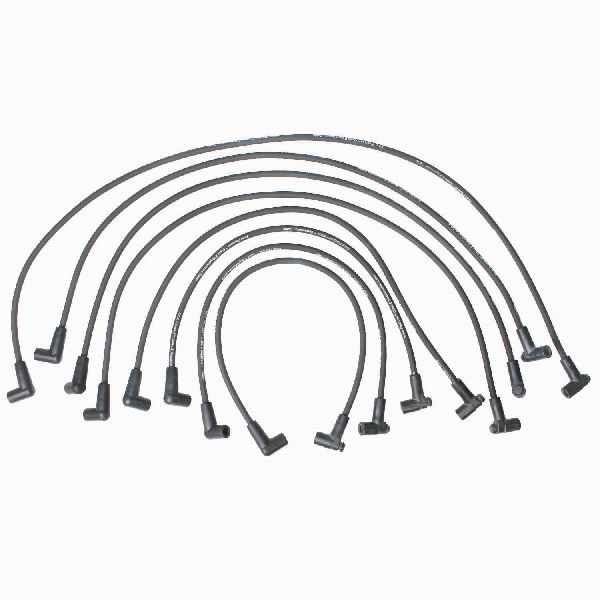
- You must buy a wire set that matches your specific engine (2.5L I4, 2.8L V6, 3.8L V6, or 5.0L/5.7L V8).
- For a stock vehicle, a quality OEM-style replacement from a brand like NGK or Standard is an excellent and affordable choice.
- To prevent firing order problems, always replace wires one at a time.
Understanding Your Pontiac Phoenix Generation is Key
Before buying a spark plug wire set, you must know which generation of Pontiac Phoenix you own. The parts are not interchangeable. This is the most common mistake owners make.
- First Generation (1977-1979): These are rear-wheel-drive (RWD) cars. Engine options included the 2.5L "Iron Duke" 4-cylinder, a 3.8L V6, a 5.0L (305ci) V8, and a 5.7L (350ci) V8.
- Second Generation (1980-1984): These are front-wheel-drive (FWD) cars. Engine options were simplified to the 2.5L "Iron Duke" 4-cylinder and a 2.8L V6.
Always order the wire set that matches your exact year and engine. A V8 set from a 1978 model will not fit a V6 from a 1982 model. Check your engine before you buy.
Symptoms of Failing Spark Plug Wires
Old spark plug wires can cause a variety of noticeable engine problems. Over time, the insulation breaks down from engine heat, oil, and vibration. This allows the electrical energy to leak out before it reaches the spark plug.
- Rough Idle: The engine may shake or vibrate more than usual when stopped.
- Engine Misfires: You may feel the engine stutter or hesitate, especially when accelerating. This happens when a cylinder fails to fire properly.
- Poor Acceleration: The car may feel sluggish and slow to respond when you press the gas pedal.
- Reduced Fuel Economy: When spark is weak, fuel doesn't burn completely, leading to more trips to the gas station.
- Check Engine Light: On later models, a consistent misfire can trigger the check engine light.
- Visible Damage: You might see cracks, burns, or melting on the wire insulation or boots.
Choosing the Right Aftermarket Wire Set
Original OEM "Packard Delcore" wires are no longer available for these cars. However, modern aftermarket wires often provide better performance and durability than the originals. They can be grouped into three main tiers.
Tier 1: OEM-Style Replacements
These are your basic, reliable wires designed to meet or exceed the original factory specifications. They are perfect for a daily driver or a stock restoration.
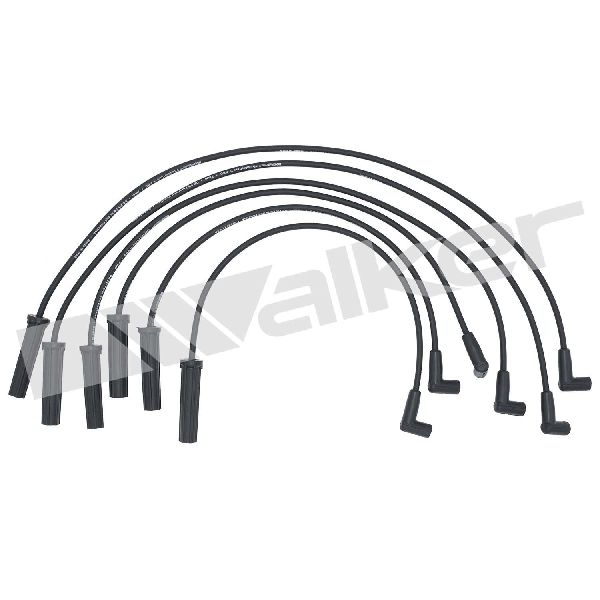
- Brands: Standard Motor Products, NGK, Denso, Walker Products
- Best for: Owners seeking a reliable, budget-friendly solution for a stock engine.
- Details: These wires typically have a 7mm or 8mm diameter with high-dielectric silicone insulation. NGK and Standard are well-regarded choices that provide excellent value and performance for the 2.5L and 2.8L engines.
Tier 2: Performance Street Wires
These wires offer better performance by reducing electrical resistance, which sends more energy to the spark plug. They are a great upgrade for a mild performance build or for owners who want extra durability.
- Brands: Accel, Taylor Cable, Edelbrock
- Best for: Owners with minor engine upgrades (intake, exhaust) or those who want better-than-stock performance and durability.
- Details: Look for features like 8mm or 8.5mm diameter, spiral-wound conductors for low resistance, and high-temp silicone boots. Some Accel wires have ceramic boots for extra heat resistance near exhaust manifolds, which can be a problem on V8 models.
Tier 3: High-Performance & Racing Wires
These are top-of-the-line wires designed for high-horsepower engines and racing applications. They offer the lowest resistance and best heat protection.
- Brands: MSD, Granatelli, FAST
- Best for: Heavily modified engines, racing, or owners who want the absolute best performance.
- Details: Brands like MSD are known for their extremely low resistance (around 40-50 ohms per foot), which ensures the hottest spark possible. Granatelli offers zero-ohm wires for maximum spark energy. These are often overkill for a stock engine but are the best choice for serious performance.
| Quality Tier | Common Brands | Estimated Price Range |
|---|---|---|
| OEM-Style Replacement | Standard, NGK, Denso | $20 - $45 |
| Performance Street | Accel, Taylor Cable | $50 - $100 |
| High-Performance | MSD, Granatelli | $100 - $250+ |
Frequently Asked Questions
How do I know which engine my Phoenix has?
Check the emissions label under the hood, which often lists the engine size in liters. You can also use your car's Vehicle Identification Number (VIN) to look up the original specifications online.
Can I replace just one bad wire?
While you can, it's not recommended. Spark plug wires degrade at a similar rate. If one has failed, the others are likely not far behind. They are sold as a complete engine set for this reason.
Do I need special tools to change my spark plug wires?
No special tools are usually required. A spark plug wire puller can make it easier to remove the boots without damaging them, but it's often not necessary. The most important tip is to replace the wires one at a time to avoid mixing up the firing order.
What does the wire diameter (e.g., 8mm) mean?
A larger diameter, like 8.5mm versus 7mm, generally means thicker insulation. This provides better protection against heat and prevents voltage from arcing to ground, especially in high-performance applications.
Are there any recalls on Phoenix spark plug wires?
No, there have been no specific recalls or technical service bulletins (TSBs) issued for spark plug wires on the 1977-1984 Pontiac Phoenix. Any issues are typically related to normal wear and tear over many decades.
Technical Specifications
OEM Part Numbers: 12036901
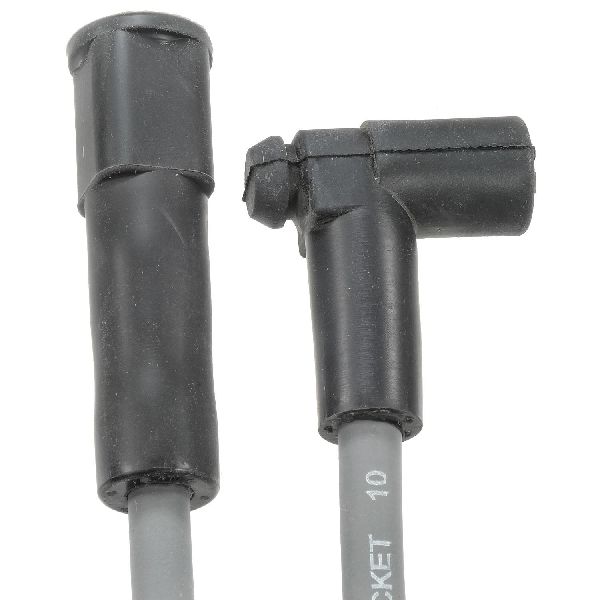
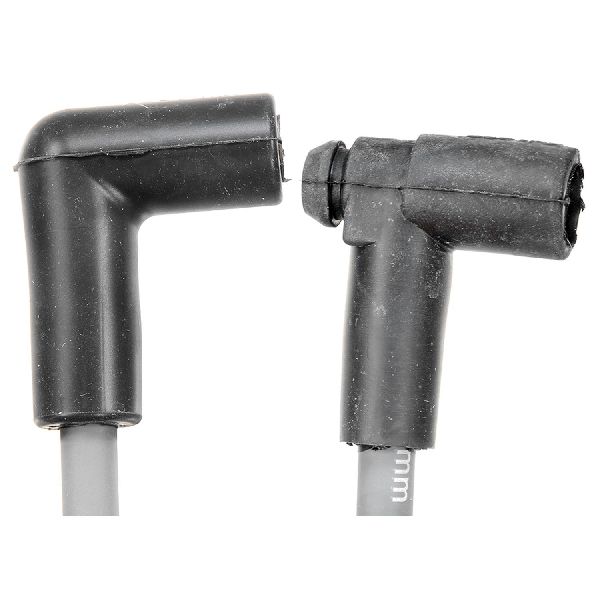
Varies by engine. Key factors include wire length, boot angle (straight, 45°, 90°), conductor type (carbon core, spiral core), resistance (ohms per foot), and diameter (typically 7mm to 8.5mm).
We Have This Part in Stock

The information in this article is provided for general reference and educational purposes only. Vehicle specifications, procedures, and part compatibility can vary by production date, trim level, and region. Always consult your vehicle's factory service manual and verify part numbers before purchasing or performing repairs. Safety-critical components such as airbags, seat belts, and braking systems should be installed by a qualified professional.