

Ford E-100 Econoline Starter and Solenoid Guide (1977-1983)
Having trouble starting your classic Econoline? This guide will help you diagnose and choose the right parts.
- Always test the inexpensive, fender-mounted starter solenoid first; it's the most common cause of a 'no-crank' issue on these vans.
- Before replacing any parts, thoroughly inspect all battery cables and ground straps for corrosion or looseness.
- A single, loud click when turning the key is a classic sign of a bad solenoid, not necessarily the starter motor.
- Since new OEM parts are unavailable, choose a quality aftermarket brand like Bosch for longevity or a standard brand for a good balance of price and reliability.
Is Your Econoline Starter Failing?
A bad starter will eventually leave you stranded. But before it fails completely, it usually gives warning signs. However, on these classic Ford vans, many starting problems are not caused by the starter motor itself, but by other, simpler components.
Check These Parts First!
Before you buy a new starter, check these common failure points. They can mimic the symptoms of a bad starter and are often easier and cheaper to fix.
- Fender-Mounted Solenoid: This is the most common failure point on 1977-1983 Econolines. A loud 'click' with no crank often points directly to a bad solenoid, not the starter motor.
- Battery Cables & Terminals: Loose, dirty, or corroded battery connections can prevent the starter from getting enough power. Make sure the terminals are clean and tight.
- Ground Straps: A bad or corroded ground strap between the engine, frame, or body is a very common cause of no-start or slow-start issues on these older vans.
Common Symptoms of a Bad Starter or Solenoid
- Single, Loud Click, But No Crank: This is the classic symptom of a bad fender-mounted solenoid. The click is the sound of the solenoid trying to engage but failing to send power to the starter.
- Slow, Labored Cranking: If the engine turns over very slowly, like the battery is weak, the starter motor may be worn out and drawing too much current. If your battery tests good, the starter is the next likely suspect.
- Grinding Noise: A harsh grinding sound when you try to start the engine means the starter gear is not meshing correctly with the engine's flywheel, or it's failing to disengage. This can cause expensive damage to the flywheel if ignored.
- No Sound at All: If you turn the key and hear nothing, it could mean a completely failed solenoid or starter motor, though you should also check the battery and ignition switch.
- Hot-Start Problems: The van starts perfectly when cold, but won't crank after it's been driven and the engine is hot. This issue, known as "heat soak," is a common sign of a failing fender solenoid.
Choosing the Right Aftermarket Starter
For a vehicle from this era, new original equipment (OEM) Ford parts are generally not available. The market consists of new and remanufactured aftermarket parts. Quality can vary, but here’s a general breakdown of the brands available.
New vs. Remanufactured: While remanufactured parts can be a good value, forum discussions show mixed experiences. A new aftermarket starter often provides more peace of mind, as all components are new, reducing the chance of premature failure from a worn part that wasn't replaced during remanufacturing.
- Premium Aftermarket (Bosch): Bosch is a well-regarded OEM supplier for many car brands and their aftermarket parts generally have a reputation for high quality and reliability. If you want the best available option, a new Bosch starter is a strong choice.
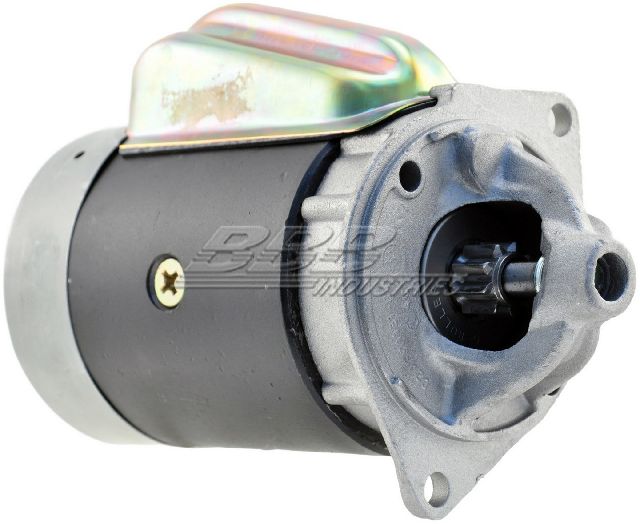
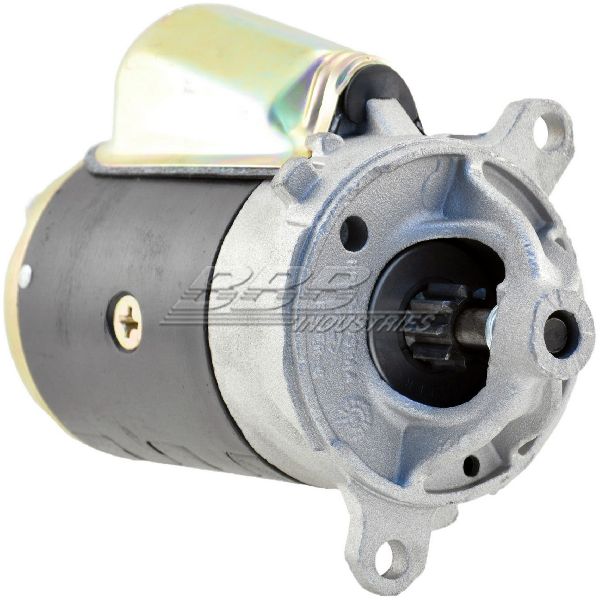
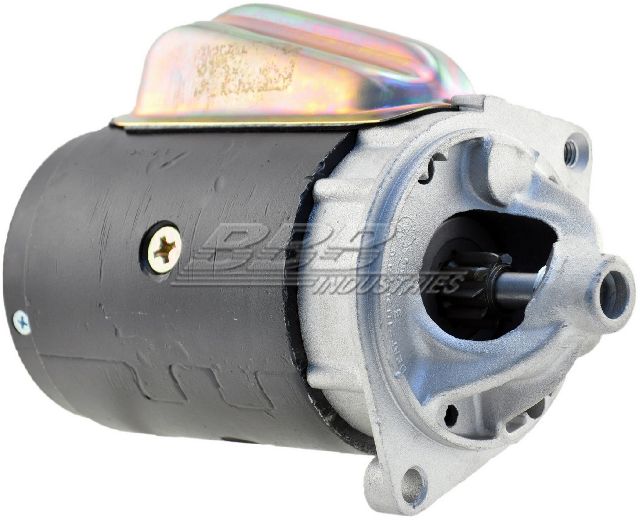
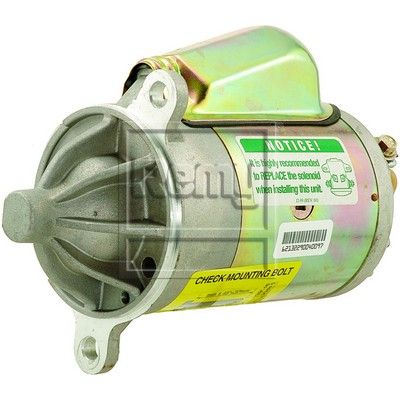
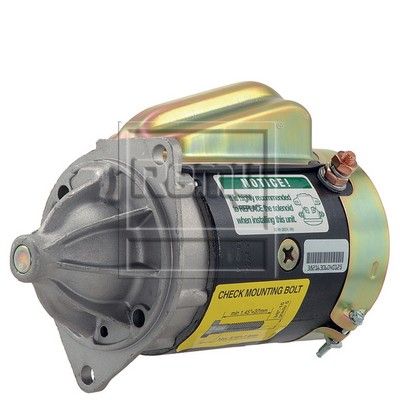
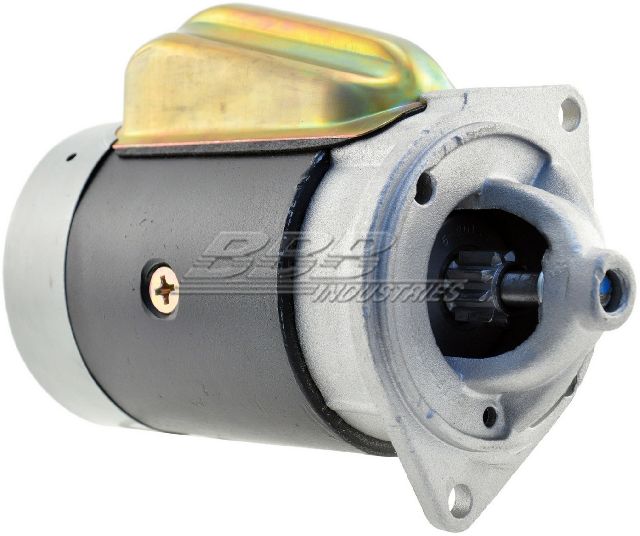
- Standard Aftermarket (BBB Industries, Remy, WAI Global): These brands are major players in the aftermarket and offer a balance of price and quality. They are solid, reliable choices for a daily driver or standard replacement. There is little functional difference between them for a stock vehicle, so choosing based on price and warranty is a reasonable approach.
Starter Replacement Cost for 1977-1983 Ford E-100 Econoline
The cost to replace the starter involves the part itself and labor. Since the fender-mounted solenoid is inexpensive and a common failure point, it is highly recommended to replace it at the same time.
| Item | Estimated Cost |
|---|---|
| New Aftermarket Starter | $111 - $190 |
| Fender-Mounted Starter Solenoid | $15 - $40 |
| Shop Labor | $120 - $240 |
| Total Estimated Cost | $246 - $470 |
Cost estimates are approximate and can vary based on your location and the specific repair shop.
Frequently Asked Questions (FAQ)
Is the starter solenoid on the starter or the fender?
For the 1977-1983 Ford E-100 Econoline, the main starter solenoid (also called a starter relay) is mounted on the inner fender wall in the engine compartment, not on the starter motor itself. This is a classic Ford design from this period.
Should I replace the solenoid at the same time as the starter?
Yes, it is highly recommended. The fender-mounted solenoid is an inexpensive part and a very common reason for starting problems on these vans. Replacing it along with the starter is good preventive maintenance and can save you from being stranded later.
How difficult is it to replace the starter on my Econoline?
For a DIYer with some mechanical experience, the job is manageable. It requires raising the van for access, disconnecting the battery, and removing a few wires and mounting bolts from underneath. Access to the top bolt can be tight. Most people can complete the job in 1-2 hours with basic hand tools.
What is a "hot-start" problem?
This is when your van starts fine when the engine is cold, but refuses to crank after it has warmed up. Once the engine cools down, it starts again. This is a classic symptom of a failing fender-mounted solenoid that is affected by engine heat, also known as "heat soak".
Technical Specifications
OEM Part Numbers: D7OZ-11002-A D8TF-11001-AA
This vehicle system uses a remote, fender-mounted starter solenoid (relay) that is separate from the starter motor. The starter motor itself is typically a direct-drive design. Ensure the replacement starter matches your vehicle's specific engine and transmission (manual vs. automatic) combination.
We Have This Part in Stock

The information in this article is provided for general reference and educational purposes only. Vehicle specifications, procedures, and part compatibility can vary by production date, trim level, and region. Always consult your vehicle's factory service manual and verify part numbers before purchasing or performing repairs. Safety-critical components such as airbags, seat belts, and braking systems should be installed by a qualified professional.