

1977-1981 Ford Thunderbird Engine Coolant Bypass Hose: A Replacement Guide
Don't let a small, failing hose cause major engine problems in your classic Thunderbird.
- A failing bypass hose will leak coolant, which can lead to critical engine overheating.
- Symptoms include visible leaks, a sweet antifreeze smell, and a physically damaged (cracked, soft, or swollen) hose.
- For this vehicle, a quality aftermarket hose from Gates, Dayco, or Continental is the correct and reliable replacement.
- This is a simple and inexpensive repair that a DIY owner can perform to prevent a much more costly engine failure.
Is Your Thunderbird's Bypass Hose About to Fail?
On a classic car like the seventh-generation Thunderbird, rubber parts are often the first to break down. After 40+ years of exposure to heat cycles and chemicals, the original bypass hose is living on borrowed time. Failure is not a matter of if, but when. A sudden burst can lead to rapid coolant loss and severe engine overheating.
Symptoms of a Bad Engine Coolant Bypass Hose
Keep an eye out for these warning signs. Catching a failure early can save you from a much bigger headache.
- Coolant Leaks: You might see small puddles of green or yellowish coolant on the ground under the front of the engine. The hose is typically located near the water pump and thermostat housing.
- Sweet Smell: A distinct, sweet smell from the engine bay is the scent of burning antifreeze, indicating a leak.
- Visible Hose Damage: Inspect the hose. If it looks cracked, brittle, swollen, or feels overly soft and spongy when you squeeze it (with the engine cold), it needs to be replaced.
- Low Coolant Level: If you constantly have to top off your coolant reservoir, you likely have a slow leak somewhere in the system, and this hose is a common culprit.
- Engine Overheating: In a worst-case scenario, a major leak from a burst hose will cause the engine temperature to rise quickly, which can lead to critical engine damage.
OEM vs. Aftermarket Hoses
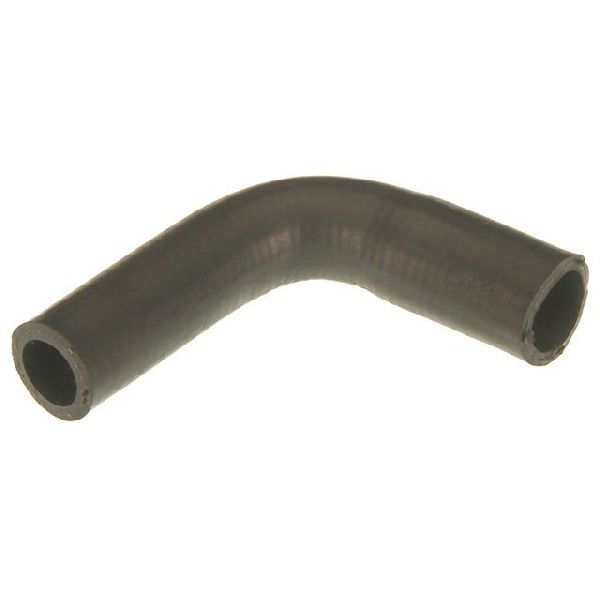
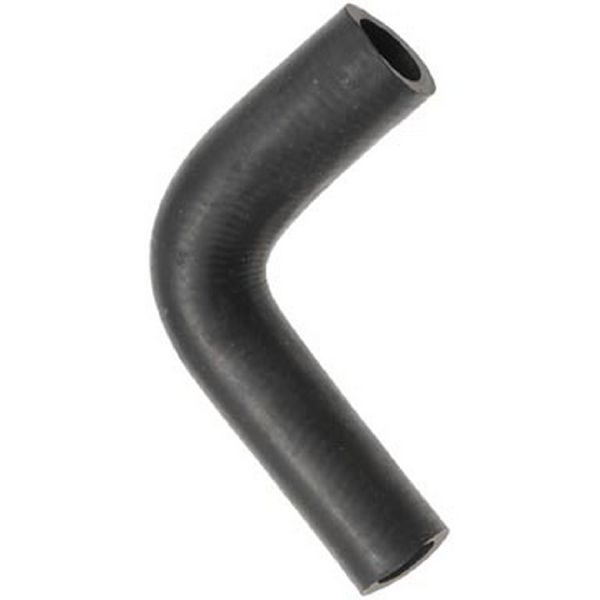
For a 1977-1981 Thunderbird, finding a New Old Stock (NOS) Ford bypass hose is nearly impossible. Even if you found one, the rubber would likely be degraded from decades of storage. High-quality aftermarket hoses from brands like Gates, Dayco, and Continental are the industry standard for these vehicles. They are made with modern EPDM rubber, which is designed to resist heat, ozone, and chemical breakdown better than the original materials.
Choosing the Right Aftermarket Bypass Hose
The brands available—Continental, Dayco, and Gates—are all reputable manufacturers of automotive hoses. For a straightforward part like this, the quality differences are minimal. All three produce molded hoses designed to be a direct fit. Owner and mechanic opinions are mixed, with some preferring the fit of one brand over another for a specific application. The most important factor is choosing a molded, vehicle-specific hose rather than a universal one to ensure proper fit and prevent kinks.
Pro Tip: While replacing the bypass hose, it's a good idea to inspect your upper and lower radiator hoses and all heater hoses. If they show similar signs of age, replacing them all at once can prevent another breakdown down the road. Always replace the spring clamps with new worm-gear or spring clamps for a secure seal.
Estimated Cost for Replacement
| Part Type | Estimated Cost |
|---|---|
| New Aftermarket Hose | $25.77 - $28.99 |
| Shop Labor | $75 - $150 |
Frequently Asked Questions (FAQ)
Were there any recalls for this part on my Thunderbird?
No. Searches of the National Highway Traffic Safety Administration (NHTSA) database show no recalls or specific technical service bulletins (TSBs) for the engine coolant bypass hose on the 1977-1981 Ford Thunderbird. There were recalls for the engine cooling fan on some 1977 models, but this did not involve the hoses.
Can I replace the bypass hose myself?
Yes, this is a very feasible DIY job for someone with basic mechanical skills. Access on the V8 engines used in these Thunderbirds is generally good. The job requires draining some coolant, removing the old clamps and hose, installing the new hose and clamps, and refilling the system.
What kind of coolant should I use in my 1977-1981 Thunderbird?
For these classic vehicles, a conventional "green" ethylene glycol-based coolant is typically recommended. Always mix it 50/50 with distilled water. Check your owner's manual or a reliable service manual to be certain.
Can I use a universal hose instead of a molded one?
It is highly recommended to use a molded hose made specifically for your vehicle. Universal hoses can kink, restricting coolant flow, or rub against other engine components, leading to premature failure.
Technical Specifications
Material: EPDM Rubber. Type: Molded.
We Have This Part in Stock

The information in this article is provided for general reference and educational purposes only. Vehicle specifications, procedures, and part compatibility can vary by production date, trim level, and region. Always consult your vehicle's factory service manual and verify part numbers before purchasing or performing repairs. Safety-critical components such as airbags, seat belts, and braking systems should be installed by a qualified professional.