

Choosing the Right Spark Plug for Your 1977-1979 Moto-Ski Nuvik
Get reliable ignition and peak performance from your vintage Nuvik's Rotax engine with the correct spark plugs.
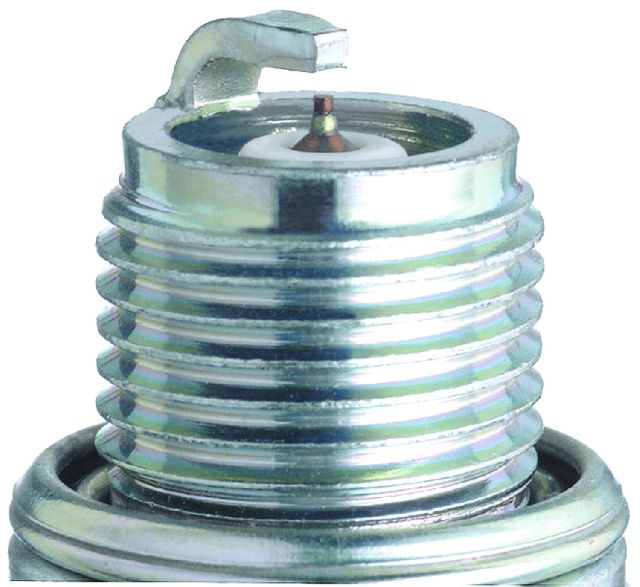
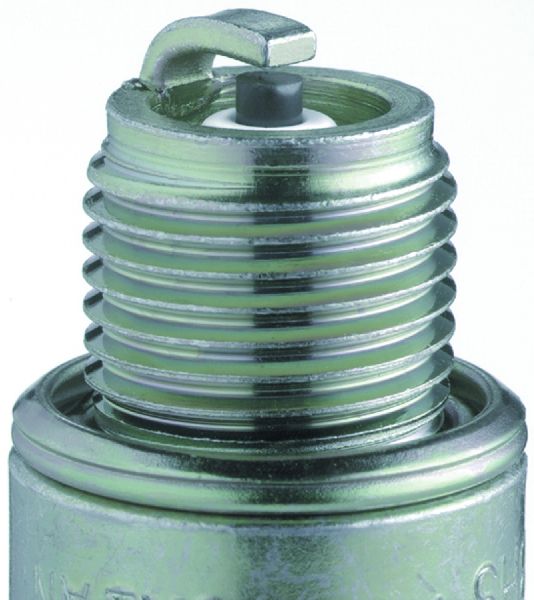
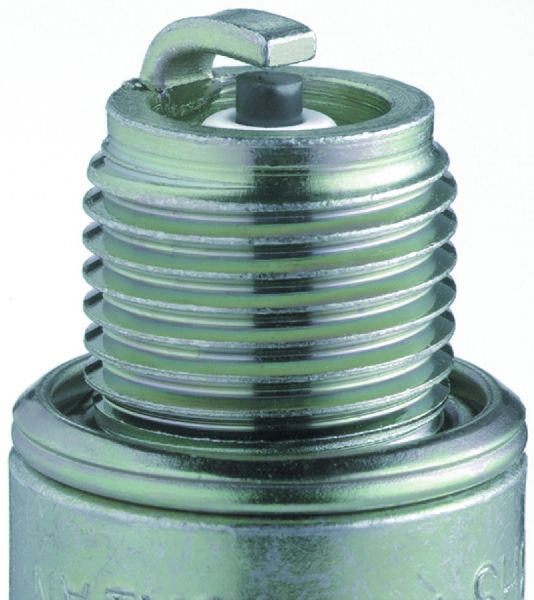
- Use NGK BR8HS for a 1977 Nuvik and NGK BR9HS for a 1978-1979 Nuvik.
- Always check and set the spark plug gap to 0.020 inches before installation.
- Avoid excessive idling to prevent spark plug fouling, a common issue on two-stroke engines.
- Always carry a spare set of plugs and the necessary wrench when riding.
Symptoms of a Failing Spark Plug
On a vintage two-stroke sled like the Moto-Ski Nuvik, spark plugs are a common failure point. They can wear out or become 'fouled' with fuel and oil deposits. Recognizing the signs of a bad plug can save you from being stranded.
- Hard Starting or No Start: A weak or non-existent spark is a primary cause of a Nuvik that won't fire up.
- Engine Misfires or Sputters: If the engine pops, coughs, or runs unevenly, especially when you hit the throttle, it could be a plug failing to spark consistently.
- Rough Idle: An engine that idles poorly or stalls frequently may have fouled plugs.
- Loss of Power: Inefficient combustion from a weak spark will make the sled feel sluggish and unresponsive.
- Increased Fuel Consumption: If a plug isn't firing correctly, unburnt fuel is wasted, leading to poor mileage.
Reading Your Plugs
The color and condition of your old spark plugs can tell you a lot about your engine's health. When you remove a plug, check the tip:
- Light Tan or Grayish-Brown: This is the ideal color. It means your engine's air-fuel mixture and heat range are correct.
- Black and Sooty: This indicates a 'rich' condition (too much fuel) or excessive idling. This is a common cause of fouling on two-strokes.
- White and Ashy: This means the engine is running 'lean' (too much air), which can cause it to run too hot and lead to serious engine damage.
Choosing the Right Aftermarket Spark Plug
For a vintage snowmobile, new OEM (Original Equipment Manufacturer) parts are rare. Aftermarket spark plugs from brands like NGK and Champion are the standard and offer excellent performance. The most important factor is choosing the correct part number for your specific year.
NGK vs. Champion
Both NGK and Champion are reputable brands available for your Nuvik. Many riders of vintage two-stroke engines prefer NGK, as they were often the original equipment for Rotax engines and are known for their quality and reliability. Champion plugs are a solid, budget-friendly alternative that also performs well. For high-RPM two-stroke engines, sticking with the recommended NGK plug is often the safest bet to ensure proper performance.
Critical Note on Heat Range: The Nuvik used different spark plugs depending on the model year, primarily changing the heat range. Using the wrong heat range can cause poor performance or engine damage. In the NGK numbering system, a higher number means a 'colder' plug.
| Model Year | Recommended NGK Plug | Recommended Champion Plug | Spark Gap |
|---|---|---|---|
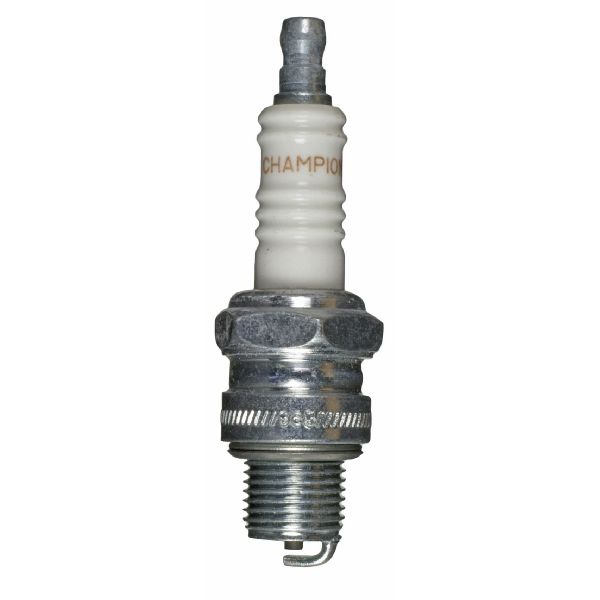
| 1977 | BR8HS | RL82C (or equivalent) | 0.020" |
| 1978-1979 | BR9HS | RL82C (or equivalent) | 0.020" |
Resistor vs. Non-Resistor Plugs
The 'R' in part numbers like BR8HS stands for 'resistor'. Resistor plugs are designed to suppress radio frequency interference (RFI) that can affect electronics. While a non-resistor plug might offer a marginally stronger spark, a resistor plug is generally recommended and will not cause any performance issues.
Frequently Asked Questions (FAQ)
How often should I change the spark plugs on my Nuvik?
For a two-stroke engine, it's good practice to inspect your plugs before every season and consider replacing them annually. Rotax suggests replacement every 25 hours of use for some of their two-stroke engines. Given their low cost, frequent replacement is cheap insurance against being stranded. Always carry a spare set and a plug wrench with you on the trail.
What is a spark plug 'gap' and why is it important?
'Gapping' is adjusting the distance between the center and ground electrodes at the tip of the plug. For the 1977-1979 Nuvik, the correct gap is 0.020 inches. An incorrect gap can lead to a weak spark, misfires, and hard starting. Always check the gap on a new plug before installing it.
Should I use anti-seize on the spark plug threads?
No. NGK specifically recommends against using anti-seize lubricant on their spark plugs. The plugs have a special trivalent plating that prevents corrosion and seizing. Using anti-seize can act as a lubricant, making it easy to over-tighten and damage the threads in the engine's cylinder head.
Why does my Nuvik keep fouling plugs?
Plug fouling is very common on older two-stroke sleds. The leading cause is letting the engine idle for too long or extended periods of low-speed riding. These engines are designed to run at higher RPMs to burn off oil and fuel deposits cleanly. Other causes can include an overly rich carburetor setting or a weak ignition system.
Technical Specifications
OEM Part Numbers: NGK BR8HS NGK 4322 NGK BR9HS NGK 4522 Champion RL82C Champion 874
Spark Gap: 0.020 in (0.5mm)
We Have This Part in Stock

The information in this article is provided for general reference and educational purposes only. Vehicle specifications, procedures, and part compatibility can vary by production date, trim level, and region. Always consult your vehicle's factory service manual and verify part numbers before purchasing or performing repairs. Safety-critical components such as airbags, seat belts, and braking systems should be installed by a qualified professional.