

Choosing the Right Starter Motor for Your 1977-1978 GMC K35
Solve common starting problems and get reliable cranks from your classic heavy-duty GMC.
- Heat soak is the most common starter problem on these trucks; a modern high-torque, gear-reduction starter is the best solution.
- Before buying a new starter, always verify your battery is fully charged and that the battery cables and ground connections are clean and tight.
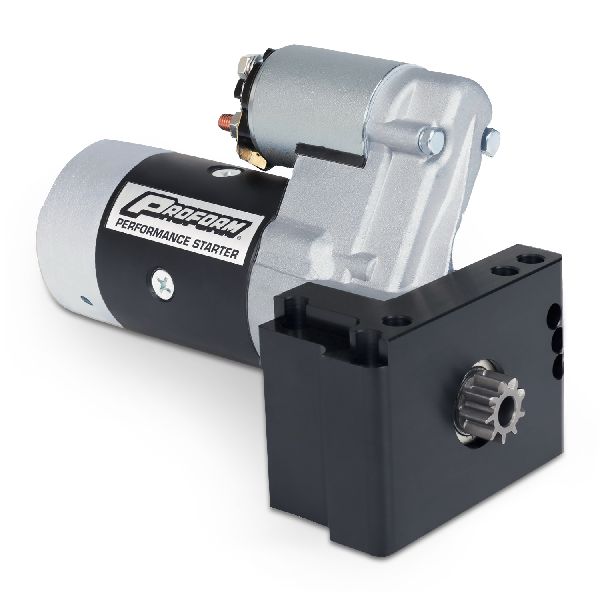
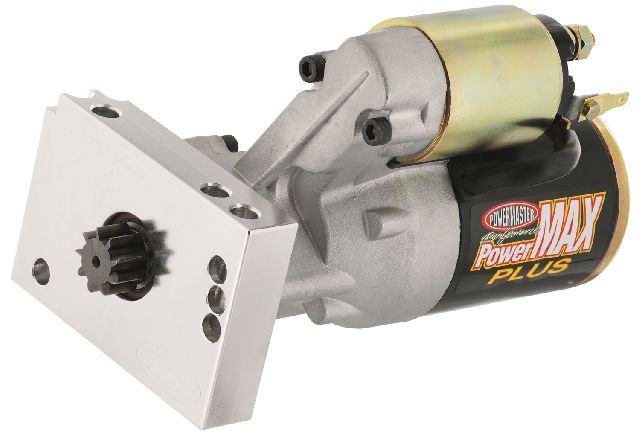
- Aftermarket brands like Powermaster and Proform offer smaller, more powerful starters that provide better clearance and solve hot-start issues.
- Replacement is a feasible DIY job, typically requiring only two mounting bolts and disconnecting a few wires, but may require shimming for proper fit.
Is Your K35 Starter Showing Its Age?
If you turn the key in your 1977-1978 GMC K35 and hear a click, a grinding noise, or nothing at all, your starter motor is a likely suspect. These heavy-duty trucks, often equipped with big-block V8s, place high demands on the starting system. After decades of service, the original large, heavy starters are prone to failure, especially due to heat.
A Common Problem: Heat Soak
One of the most frequent issues for this generation of GMC trucks is "heat soak." This happens when the starter and its attached solenoid get extremely hot from being close to the engine block and exhaust manifolds. This heat increases electrical resistance, preventing the starter from drawing enough power to crank the engine, especially after it's been running for a while and is shut off for a short period. You might find the truck starts fine when cold, but refuses to crank over when hot.
Choosing the Right Aftermarket Starter
For a classic truck like the '77-'78 K35, new aftermarket starters often provide superior performance compared to standard remanufactured units. The main choice is between a direct-fit, standard-style starter and a modern high-torque, gear-reduction model.
OEM-Style vs. High-Torque Aftermarket
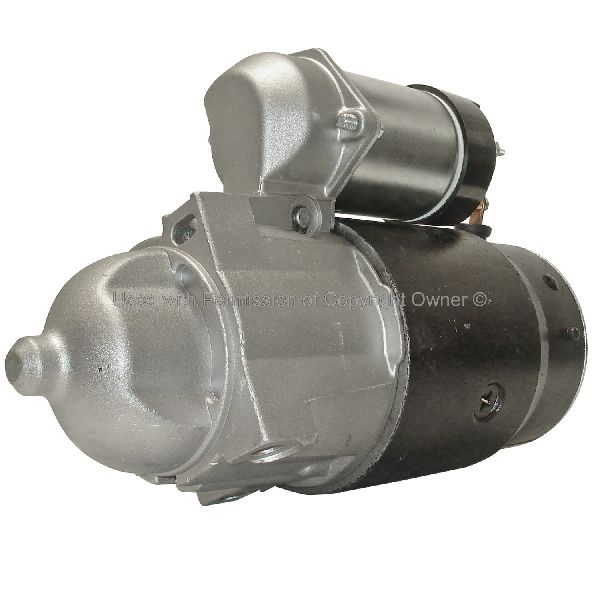
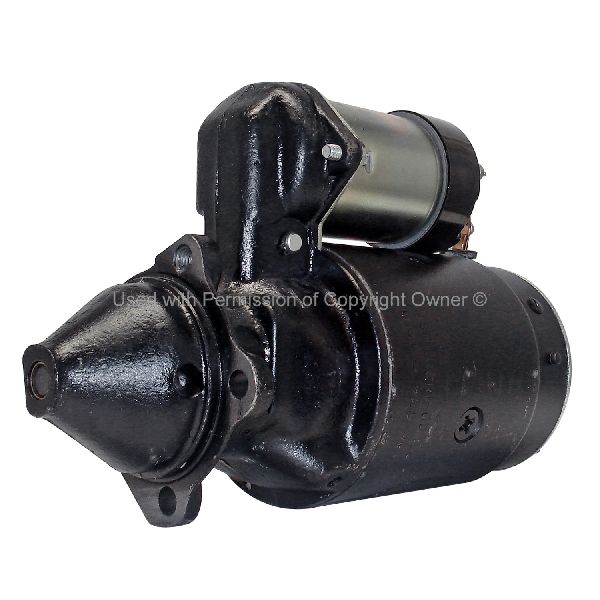
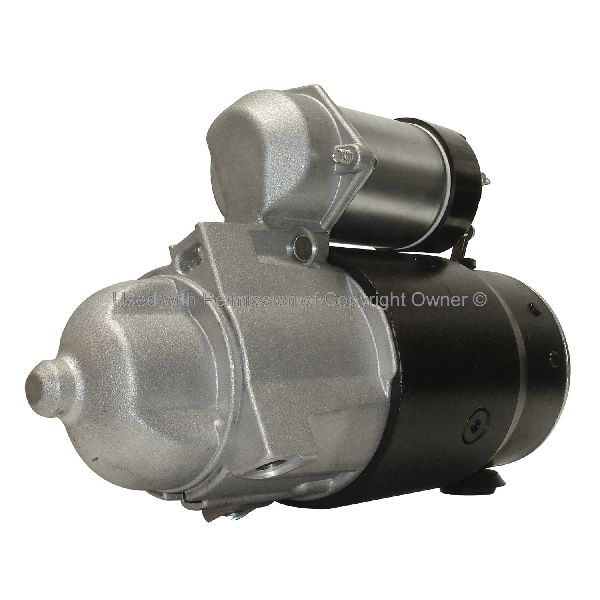
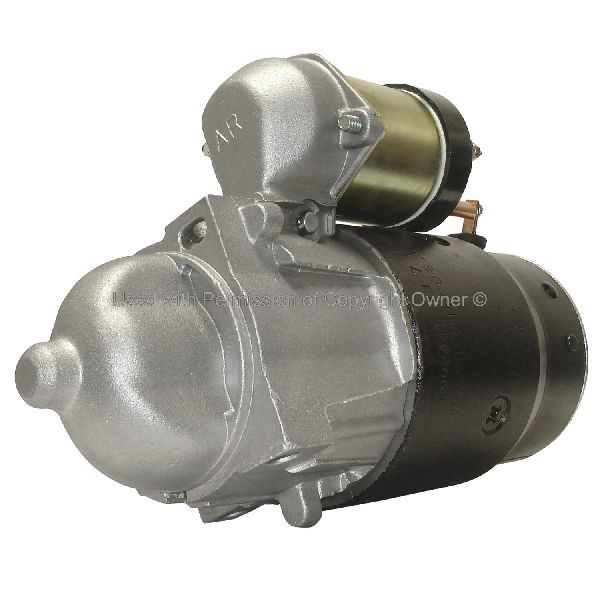
OEM-Style (Standard Replacement): These look and function like the original part. A brand like MPA offers reliable, quality-tested replacements that will get the job done. However, they are still large, heavy, and can be susceptible to the same heat soak issues as the original.
High-Torque (Gear Reduction): Brands like Powermaster and Proform specialize in these modern starters. They use a gear reduction system to multiply torque, allowing a smaller, lighter motor to spin the engine with more force. This design draws less power from the battery and the smaller size provides more clearance for aftermarket headers, which is a huge benefit in fighting heat soak. For most K35 owners, especially those with modified engines or who experience hot-start problems, a high-torque starter is the best choice.
Pro Tip: Before replacing your starter, always check the basics. On these older trucks, corroded battery cables, poor ground connections, or a weak battery can mimic starter failure. Ensure your cables are clean and tight and that the battery is fully charged.
Aftermarket Brand Tiers for Your K35
- Performance / Problem-Solver Tier (Powermaster, Proform): These brands are the go-to solution for common K35 starter problems. They specialize in 100% new, high-torque, gear-reduction mini-starters that combat heat soak and provide powerful, reliable cranking for stock or high-compression engines. While some users report needing to shim them carefully during installation, their performance benefits are well-documented in the truck community.
- Standard Replacement Tier (MPA): MPA provides quality, new and remanufactured starters that serve as a reliable, direct replacement for the original part. If your truck is stock and you are not experiencing heat-related issues, an MPA starter is a solid, cost-effective choice that meets or exceeds original specifications.
| Part Type | Estimated Cost |
|---|---|
| New OEM | N/A (Collector Only) |
| New Aftermarket | $89 - $385 |
| Remanufactured | $60 - $150 |
| Used OEM | $30 - $80 |
| Shop Labor | $120 - $250 |
Frequently Asked Questions (FAQ)
What is a starter shim and will I need one?
A starter shim is a thin piece of metal placed between the starter and the engine block to adjust the distance between the starter's pinion gear and the flywheel's ring gear. Proper spacing is crucial to prevent grinding noises or damage. While not always needed, it's a common adjustment when installing an aftermarket starter on these trucks. Many new starters come with a set of shims.
How do I know if it's the starter or just a dead battery?
First, check if your headlights are bright. If they are dim or don't turn on, your battery is likely the issue. If the headlights are bright but you only hear a single, sharp click when you turn the key, the problem is likely the starter solenoid or the starter itself. If you hear rapid clicking, the battery may have enough power for lights but not enough to turn the starter.
What is a gear-reduction starter and why is it better for my K35?
A gear-reduction starter uses internal gears to increase torque output, much like a low gear in your truck's transmission. This means a smaller, more efficient motor can crank a large engine effectively. For the K35, this results in faster cranking speeds, less strain on the battery, and better clearance from hot exhaust components, which helps prevent heat soak.
Can I install a starter heat shield?
Yes. A starter heat shield or blanket is an excellent way to protect any starter, new or old, from exhaust heat. They are readily available and can significantly prolong the life of your starter by preventing heat soak. Many owners install one at the same time as a new starter, especially if they have aftermarket headers.
Technical Specifications
Key specifications to consider are bolt pattern (straight or staggered, depending on flywheel size), torque rating, and whether it is a gear reduction design. Most aftermarket starters for this application are designed to fit both 153-tooth and 168-tooth flywheels.
We Have This Part in Stock

The information in this article is provided for general reference and educational purposes only. Vehicle specifications, procedures, and part compatibility can vary by production date, trim level, and region. Always consult your vehicle's factory service manual and verify part numbers before purchasing or performing repairs. Safety-critical components such as airbags, seat belts, and braking systems should be installed by a qualified professional.