

1976-1986 Buick LeSabre Window Motor Replacement Guide
Get your classic LeSabre's heavy glass windows moving smoothly again with a new aftermarket motor.
- A slow-moving window is the most common sign of a failing motor on a 1976-1986 LeSabre.
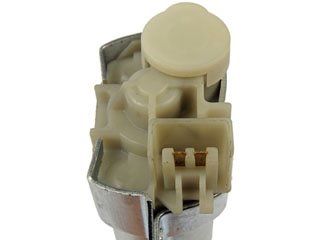
- Aftermarket is the most practical source for a new motor; Dorman is a widely available and generally trusted option.
- Replacement requires drilling out the original rivets, but a common shortcut involves drilling access holes in the door to speed up the process.
- Always secure the window glass in the 'up' position before starting work to prevent it from falling and breaking.
Is Your Buick LeSabre's Window Motor Failing?
The power windows on a classic 1976-1986 Buick LeSabre are a convenience, but the motors that drive them don't last forever. After 40-plus years of lifting heavy window glass, they can start to show their age. If you're dealing with a window that's slow, stuck, or makes grinding noises, a failing motor is the likely culprit.
Symptoms of a Bad Window Motor
- Slow Operation: The window struggles to go up or down, moving much slower than it used to. This is the most common first sign of a worn-out motor.
- Window Gets Stuck: The window may stop moving partway up or down. Sometimes, tapping the inside of the door panel can get it to move again temporarily.
- Clicking or Grinding Noises: You hear a clicking from the switch or a grinding sound from inside the door, but the window doesn't move. This can mean the motor is trying to work but is either seized or the regulator gear is stripped.
- Window Drops and Won't Rise: The window falls into the door and cannot be raised using the switch. This often points to a failure in the regulator mechanism itself, but the motor is typically replaced along with it.
- Motor Only Works Intermittently: The window works some days but not others, suggesting a dead spot in the motor's internal wiring.
Pro Tip: Check Your Ground
On these older GM vehicles, the door itself acts as the ground path for the window motor through the door hinges. Over time, corrosion can build up in the hinges, causing a weak ground and leading to slow window operation. Some owners have found success by running an extra ground wire from the door directly to the chassis.
Choosing the Right Aftermarket Window Motor
For a vehicle as old as the 1976-1986 LeSabre, finding new original equipment (OEM) window motors is nearly impossible. The aftermarket is your most practical and often only choice. The main options are established brands like Dorman or lower-cost generic "Replacement" parts.
Dorman Brand: Dorman is a well-known aftermarket manufacturer that often re-engineers parts to fix original design flaws. While some mechanics have mixed opinions on the brand, their window motors are generally considered a reliable and affordable option that gets the job done. They are a known quantity with widespread availability and often come with a warranty.
Replacement Brand: "Replacement" is a generic term for parts that may come from various manufacturers. While they are budget-friendly, the quality can be inconsistent. For a component like a window motor that requires significant labor to access, spending a little more on a recognized brand like Dorman can be a worthwhile investment to avoid doing the job twice.
Installation Notes for 1976-1986 LeSabre
Replacing the window motor on these cars has a specific quirk. The original motors were often riveted to the window regulator assembly. To replace just the motor, you must drill out these rivets.
A common shortcut involves drilling 3/4-inch to 1-inch access holes through the inner door sheet metal to reach the rivets without removing the entire regulator assembly. The locations for these holes are often marked by small dimples in the door shell from the factory. After drilling the rivets, the new motor is installed using the nuts and bolts that typically come with the replacement part. This method can significantly reduce the installation time.
Important: Support the Window!
Before removing the old motor, make sure the window glass is in the full 'up' position and securely taped or wedged in place. Once the motor is detached from the regulator, the window can fall freely and shatter.
Cost of Replacing a Window Motor on a 1976-1986 Buick LeSabre
| Part/Service | Estimated Cost |
|---|---|
| New Aftermarket Window Motor | $55 - $75 |
| Shop Labor | $120 - $250 |
| Total Estimated Cost | $175 - $325 |
Frequently Asked Questions
Do I need to replace the regulator too?
If the window moves slowly but smoothly, you likely only need to replace the motor. If you hear grinding, popping, or the window seems to bind or move unevenly, the regulator is probably also damaged. For this vehicle's age, it's often a good idea to replace the motor and regulator as an assembly if you can find one, but motor-only replacement is common.
Are the front and rear window motors the same?
No, front and rear window motors are often different parts due to the different sizes and shapes of the doors and window glass. Always verify that you are buying the correct motor for your specific door location (e.g., front driver's side).
Can I replace a window motor myself?
Yes, this is a feasible DIY job for someone with basic mechanical skills and tools. The main challenges are removing the door panel without breaking the old plastic clips, drilling out the factory rivets, and working inside the tight space of the door. Watching a tutorial for a similar year GM vehicle can be very helpful.
Were there any recalls for the window motors on these LeSabres?
No, searches of the National Highway Traffic Safety Administration (NHTSA) database did not find any recalls or technical service bulletins (TSBs) related to the window motors for the 1976-1986 Buick LeSabre models.
Technical Specifications
This is a 12V DC reverse-polarity motor. The original units were attached to the regulator with rivets, which must be drilled out for replacement.
We Have This Part in Stock

The information in this article is provided for general reference and educational purposes only. Vehicle specifications, procedures, and part compatibility can vary by production date, trim level, and region. Always consult your vehicle's factory service manual and verify part numbers before purchasing or performing repairs. Safety-critical components such as airbags, seat belts, and braking systems should be installed by a qualified professional.