

Choosing the Right Spark Plugs for Your 1976-1981 Pontiac Laurentian
Keep your classic Laurentian's Chevrolet-based engine running smoothly with the correct set of new aftermarket spark plugs.
- The 1976-1981 Laurentian uses common Chevrolet V8 engines, making spark plugs easy to find.
- Standard copper core plugs from brands like ACDelco, Autolite, or NGK are highly recommended over expensive platinum or iridium plugs for these stock, carbureted engines.
- Always check and set the spark plug gap before installation; a common setting for HEI systems is 0.045 inches.
- Symptoms like rough idle, poor acceleration, and bad gas mileage are strong indicators of worn spark plugs.
Signs of Failing Spark Plugs in Your Laurentian
The simple, carbureted engines in the 1976-1981 Pontiac Laurentian are sensitive to spark plug condition. Worn or fouled plugs can cause a number of noticeable issues. Because these engines lack modern computer controls, the symptoms are often more obvious.
- Rough Idling: Your engine may shake or sound uneven when stopped. This is often due to an inconsistent spark in one or more cylinders.
- Engine Misfires: You might feel a hesitation or jerking, especially when accelerating. A misfire means a cylinder isn't firing correctly, often because of a bad plug.
- Poor Fuel Economy: If you're filling up the gas tank more often, failing spark plugs could be the cause. Incomplete combustion wastes fuel.
- Sluggish Acceleration: A weak spark can make your car feel powerless when you step on the gas.
- Difficulty Starting: Worn plugs struggle to create the initial spark needed to start the engine, especially in cold weather.
Reading the Plugs
When you remove the old spark plugs, their condition can tell you a lot about your engine's health. A plug covered in black, sooty carbon can indicate a rich fuel mixture from the carburetor. An oily plug might point to worn piston rings or valve seals. This is valuable information for keeping your classic running well.
Choosing the Right Aftermarket Spark Plug
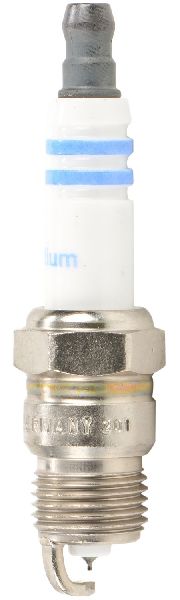
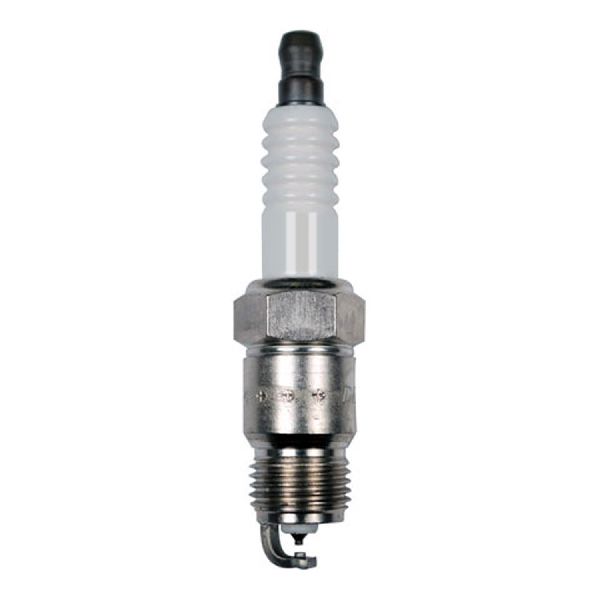
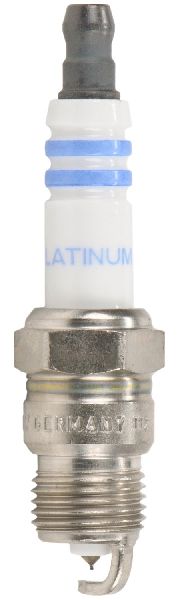
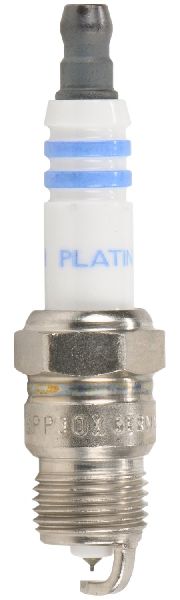
Since your Laurentian uses a common Chevrolet V8 engine (like the 305 or 350), finding aftermarket spark plugs is easy. Original Equipment (OEM) plugs were typically made by AC Delco. While modern iridium and platinum plugs are available, the simple ignition systems on these cars were designed for basic copper core plugs. Many owners of classic GM cars find that expensive plugs offer little benefit and may not perform as well as standard, traditional-style plugs.
Brand Tiers for Your Consideration
Standard Replacement (Good): These brands offer reliable, affordable performance that meets or exceeds original factory requirements. They are the go-to choice for a stock daily driver or weekend cruiser.
- ACDelco (Professional Series): The modern equivalent of the original plug. The R45TS is a common part number for these engines.
- Autolite (Copper Core): A well-regarded, budget-friendly option that works very well in these older engines.
- NGK (V-Power): Known for quality and consistency, NGK's standard copper plugs are a favorite among many mechanics and enthusiasts.
- Champion: A long-standing brand that was often used as an alternative to AC Delco back in the day.
Premium/Performance (Better/Best): If your engine is modified or you're looking for maximum performance, these brands offer plugs with advanced materials or specific designs. However, for a stock engine, the benefits are often minimal.
- NGK (Iridium IX): Offers a very long life and a strong spark, but may be overkill for a stock, carbureted engine.
- Denso (Iridium/Platinum TT): Denso's Twin-Tip technology is designed for efficient combustion, but is more suited for modern engines.
- Accel & MSD: These brands are focused on high-performance and racing applications. They are a good choice if you have an upgraded ignition system.
Check the Gap!
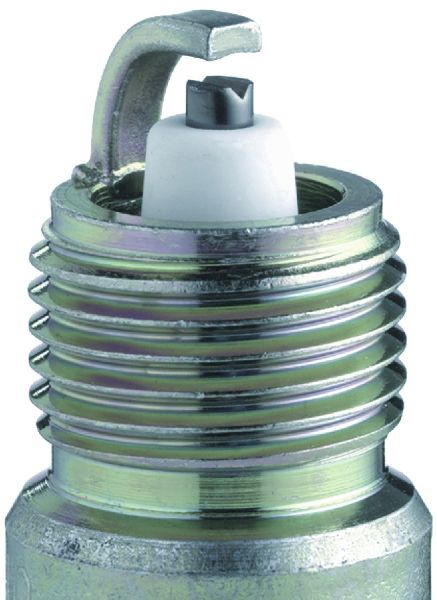
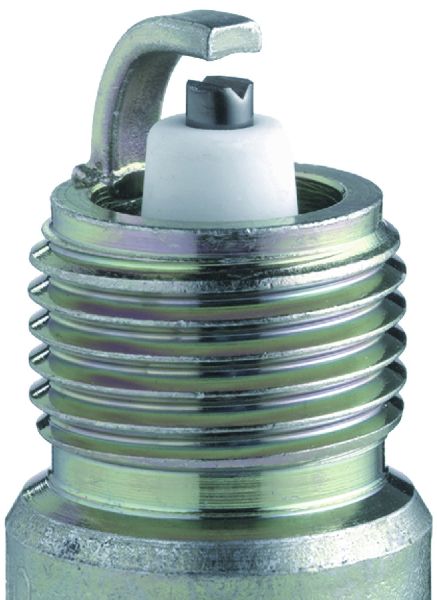
Unlike modern iridium plugs that come pre-gapped, you should always check and adjust the gap on standard copper spark plugs before installation. For a Laurentian with a factory High Energy Ignition (HEI) system, a common gap is around 0.045 inches. Using a feeler gauge or gapping tool is a must-do step for this job.
Estimated Costs for Spark Plug Replacement
| Part Type | Cost Range |
|---|---|
| New Aftermarket Spark Plugs (Full Set of 8) | $20 - $80 |
| Shop Labor | $75 - $150 |
| Total Estimated Cost | $95 - $230 |
Costs are estimates and may vary based on your location, the specific parts chosen, and your vehicle's condition. The price range for parts is based on a full set of 8 plugs.
Frequently Asked Questions
Are there any recalls for my Laurentian's spark plugs?
No, there are no recalls or Technical Service Bulletins (TSBs) from the NHTSA related to spark plugs for the 1976-1981 Pontiac Laurentian. This is normal for a wearable maintenance part on a vehicle of this age.
Should I use expensive iridium or platinum plugs?
For a stock engine, it is generally not necessary. The ignition systems in these cars were designed for standard copper plugs. Many owners report that simple AC Delco, Autolite, or NGK copper plugs provide the best performance and reliability.
How often should I change the spark plugs?
For standard copper plugs in a carbureted engine, a good interval is every 20,000 to 30,000 miles, or every few years. Since they are inexpensive, changing them regularly is good preventative maintenance.
Do I need to replace the spark plug wires at the same time?
It's a good idea to inspect the spark plug wires for cracks, brittleness, or corrosion whenever you change the plugs. If they are original or look worn, replacing them as a set will ensure a strong spark gets to the new plugs.
Technical Specifications
OEM Part Numbers: ACDelco R45TS
Thread Size: 14mm Seat Type: Tapered Common Gap Setting (HEI): 0.045 inches Engine Compatibility: Chevrolet Small Block V8 (e.g., 305, 350)
We Have This Part in Stock

The information in this article is provided for general reference and educational purposes only. Vehicle specifications, procedures, and part compatibility can vary by production date, trim level, and region. Always consult your vehicle's factory service manual and verify part numbers before purchasing or performing repairs. Safety-critical components such as airbags, seat belts, and braking systems should be installed by a qualified professional.