

A Guide to the Distributor Cap for the 1976-1981 Pontiac Catalina
Keep your classic Catalina running smoothly by understanding how to spot a bad distributor cap and choose the right replacement.
- A failing distributor cap will cause noticeable issues like misfiring, rough idling, and hard starting.
- Visually inspect the inside of the cap for cracks, moisture, or corrosion to confirm it's bad.
- For a stock Catalina, a quality replacement from Standard Ignition or Walker is sufficient; MSD offers a durability upgrade with brass terminals.
- If a new cap and rotor don't solve an intermittent spark issue, the HEI ignition module inside the distributor is the next likely part to check.
Understanding Your Catalina's Ignition System
The 1976-1981 Pontiac Catalina uses a High Energy Ignition (HEI) system, which was common for General Motors vehicles of this era. The distributor cap is a critical component of this system. It's a plastic or polymer cap that sits on top of the distributor, protecting the internal parts from moisture and dirt while routing spark to the engine's cylinders. Over time, the high voltage, heat, and environmental factors can cause the cap to fail, leading to noticeable engine problems.
Symptoms of a Failing Distributor Cap
A bad distributor cap can cause a variety of issues. Because it's a part that wears out, you will likely experience one or more of these symptoms as it reaches the end of its service life. Look out for:
- Engine Misfires: The engine may stumble, shake, or jerk, especially when you're accelerating.
- Rough Idle: Your Catalina might vibrate or run unevenly when stopped.
- Hard Starting: The engine may crank for a long time before it finally starts, or it might not start at all.
- Stalling: The engine could stall unexpectedly, sometimes after backfiring.
- Check Engine Light: On later models equipped with basic diagnostics, a persistent misfire can trigger the check engine light.
Visual Inspection is Key
You can often diagnose a bad cap just by looking at it. Remove the two clips or screws holding it down and inspect the inside. Look for moisture, white or green corrosion on the metal terminals, black carbon tracks (which look like pencil lines), or cracks in the plastic. Any of these signs mean it's time for a replacement.
Choosing the Right Aftermarket Distributor Cap
Since original OEM parts for this vehicle are rare, the aftermarket is your primary source. The quality of aftermarket caps can vary, but reputable brands offer excellent performance for your Catalina. Here’s a breakdown of the available brands:
| Brand Tier | Brands | Quality & Materials |
|---|---|---|
| Good (Standard Replacement) | Standard Ignition, Walker Products | These brands offer reliable, direct-fit replacements that meet or exceed original specifications. They typically use aluminum terminals and are a cost-effective choice for a daily driver or stock restoration. They are perfectly adequate for the stock ignition system. |
| Better (Performance/Durability) | MSD | MSD is known for performance ignition components. Their caps often feature high-quality plastic to resist cracking and brass terminals. Brass offers better conductivity and corrosion resistance than aluminum, making it a great upgrade for longevity, especially if you have other ignition upgrades. While it might be overkill for a completely stock engine, it's a durable choice. |
Distributor Cap Replacement Cost for 1976-1981 Pontiac Catalina
Replacing the distributor cap is an affordable and straightforward job. It is often recommended to replace the distributor rotor at the same time, as it is a similarly inexpensive part located under the cap.
| Item | Estimated Cost |
|---|---|
| New Aftermarket Distributor Cap | $20 - $34 |
| Shop Labor | $60 - $120 |
| Total Professional Replacement | $80 - $154 |
DIY Savings
This is a very easy job for a DIY mechanic. It typically requires only a screwdriver or a small wrench and takes less than 30 minutes. You can save on labor costs by doing it yourself.
Frequently Asked Questions
Is there a recall on the distributor cap for the 1976-1981 Pontiac Catalina?
No, there are no specific recalls or Technical Service Bulletins (TSBs) from the National Highway Traffic Safety Administration (NHTSA) related to the distributor cap for this vehicle. Failures are typically due to normal wear and tear over time.
My Catalina has a no-start problem, but a new cap didn't fix it. What else could it be?
For GM vehicles of this era with HEI distributors, the ignition control module located inside the distributor is a very common failure point. It can cause intermittent or complete loss of spark, symptoms that are often mistaken for a bad cap or rotor. If you have a persistent spark issue after replacing the cap and rotor, the ignition module is the next most likely culprit.
Should I choose a cap with brass or aluminum terminals?
For a stock Catalina, a standard cap with aluminum terminals is perfectly fine. However, caps with brass terminals, like those often sold by MSD, offer superior corrosion resistance and conductivity. If the price difference is small, choosing brass can lead to a longer service life and more consistent performance.
How often should I replace the distributor cap?
A distributor cap is a maintenance item. It's good practice to inspect it annually and replace it as part of a major tune-up, or roughly every 30,000 miles. Given the age of these vehicles and the affordable cost of the part, replacing it proactively can prevent you from getting stranded.
Technical Specifications
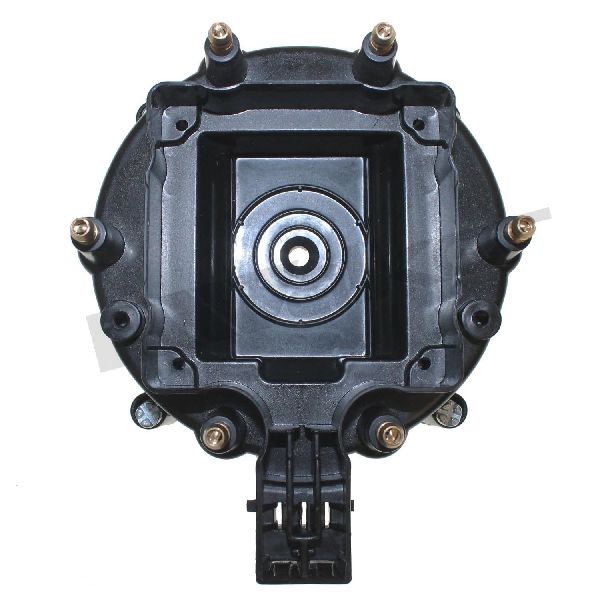
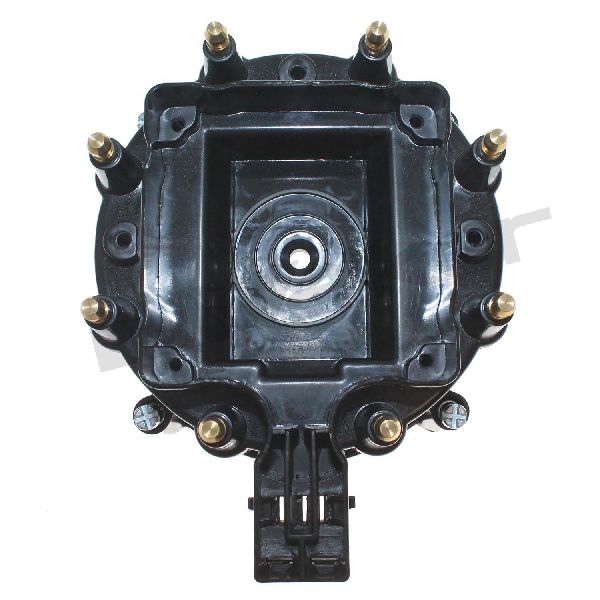
Fits High Energy Ignition (HEI) systems for V6 and V8 engines. Terminal material is either aluminum or brass. Attachment is typically via screws or clips.
We Have This Part in Stock


The information in this article is provided for general reference and educational purposes only. Vehicle specifications, procedures, and part compatibility can vary by production date, trim level, and region. Always consult your vehicle's factory service manual and verify part numbers before purchasing or performing repairs. Safety-critical components such as airbags, seat belts, and braking systems should be installed by a qualified professional.