

Accessory Drive V-Belt Guide for the 1976-1980 Peterbilt 282
Keep your classic Peterbilt's engine accessories running reliably with the right heavy-duty V-belts.
- Your Peterbilt 282 uses multiple V-belts, not a single serpentine belt. Each must be inspected.
- Squealing, visible cracks, and dimming lights are all urgent warning signs that a belt is failing.
- Use high-quality heavy-duty aftermarket brands like Gates, as OEM parts are unavailable.
- A broken belt can cause your engine to overheat or lose all electrical power, leaving you stranded.
Understanding Your Peterbilt 282's V-Belt System
Trucks from the 1970s, like your Peterbilt 282, use a multiple V-belt system. This means there isn't just one belt to worry about; there are several. Each belt is responsible for driving one or two accessories. This design is simple and robust, but it requires regular inspection of all belts. Because these trucks were offered with various engine options (such as from Cummins, Caterpillar, or Detroit Diesel) and accessory configurations, the exact number and size of the belts can vary significantly from one truck to another.
Symptoms of a Failing Accessory Drive Belt
A failing V-belt provides clear warning signs. Ignoring them can leave you stranded. Here’s what to look and listen for:
- Squealing Noises: A high-pitched squeal, especially when starting the engine or under heavy load, is the most common symptom. It's caused by a belt slipping on its pulley, which can be due to looseness, wear, or contamination from oil or grease.
- Visible Wear and Damage: Regularly inspect your belts. Look for cracks, fraying, missing chunks, or a glazed, shiny appearance on the belt's sides. A shiny or hardened surface indicates the belt is slipping and creating excess heat.
- Accessory Problems: If you notice dimming headlights, a rising temperature gauge, or stiff steering, the belt driving that specific accessory (alternator, water pump, or power steering pump) may be failing.
- Vibrations: A damaged or misaligned belt can cause noticeable vibrations in the engine bay.
Do Not Ignore a Bad Belt
A broken belt is more than an inconvenience. If the belt driving the water pump snaps, your engine can overheat and suffer catastrophic damage in minutes. If the alternator belt fails, your truck will run only until the battery is depleted, leaving you stranded without power.
Choosing the Right Aftermarket V-Belts
For a vintage truck like the Peterbilt 282, original equipment manufacturer (OEM) belts are no longer available. The good news is that high-quality aftermarket belts are plentiful and often exceed the standards of the original parts from the 1970s. Modern rubber compounds like EPDM are far more resistant to heat, oil, and cracking than the neoprene belts of the past.
Brand Focus: Gates
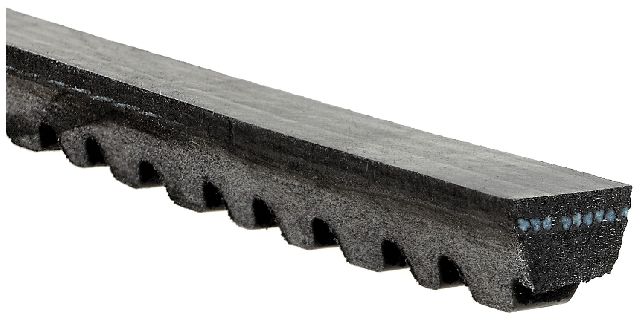
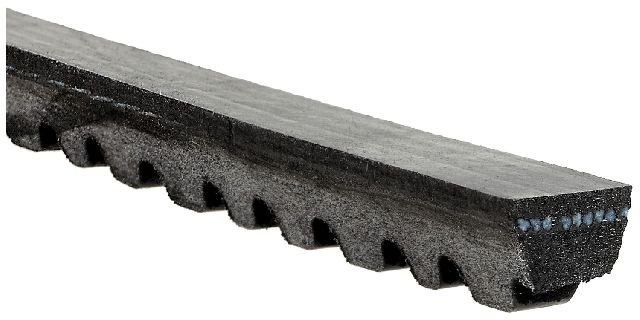
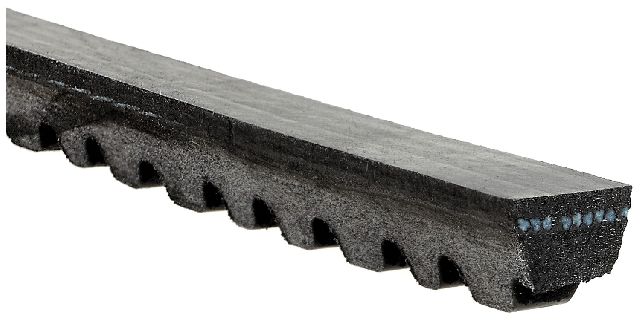
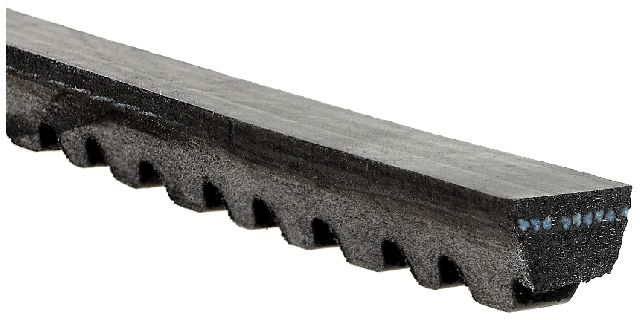
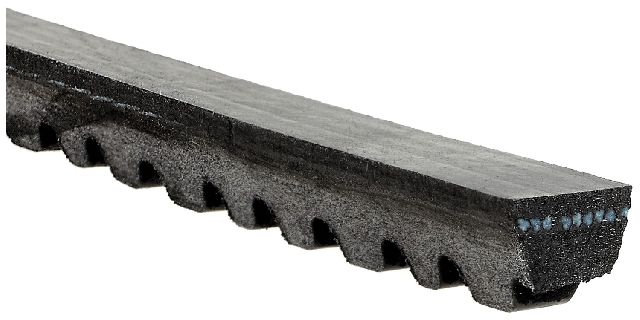
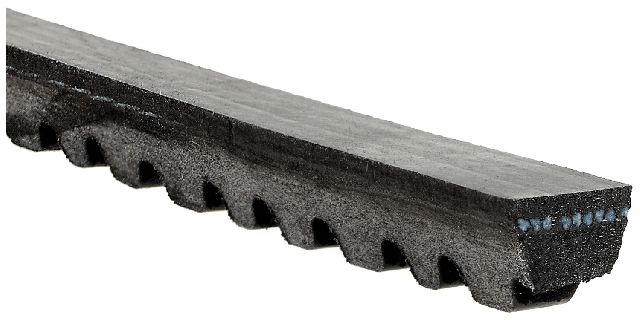
Gates is a highly respected name 🎬 Learn more about the durability of Gates FleetRunner™ heavy-duty belts. in the heavy-duty trucking industry. Their FleetRunner™ line of heavy-duty V-belts is specifically designed for the harsh conditions commercial trucks face. These belts are built for durability, high temperatures, and resistance to wear and oil contamination, making them an excellent choice for your Peterbilt. They are engineered to reduce downtime and provide a longer service life, which is crucial for any working truck.
Pro Tip: When replacing one belt, it's wise to inspect all of them. If they were installed at the same time, they likely have similar wear. Replacing them as a set can prevent a future breakdown. Also, always check the pulleys for wear; a worn, shiny pulley can destroy a new belt quickly.
| Part Type | Price Range | Notes |
|---|---|---|
| New Aftermarket V-Belt | $2.60 - $63.64 | Price varies by belt size and heavy-duty rating. Gates is a recommended brand. |
| New OEM V-Belt | Not Available | These parts are no longer produced by the original manufacturer. |
| Shop Labor | $100 - $250 | Estimated cost for professional installation, depending on the number of belts replaced. |
Frequently Asked Questions
How do I know which size belt to buy?
The best way is to match the part number on your old belt. If it's unreadable, you'll need to measure the belt's outside circumference and top width. Because of the many engine and accessory combinations for the 282, you must match the belt to your specific truck's setup. It's helpful to know your engine model and which accessory the belt drives (e.g., alternator, A/C).
Can I drive with a squealing belt?
It is not recommended. A squealing belt is a belt that is failing. It is slipping, which means it is not powering your accessories correctly and is generating heat that will lead to a complete break. Address the issue as soon as possible.
Were there any recalls for the accessory belts on this truck?
No. A search of the National Highway Traffic Safety Administration (NHTSA) database shows no recalls or technical service bulletins (TSBs) related to the accessory drive belts for the 1976-1980 Peterbilt 282. This is expected for a vehicle of this age.
How often should I inspect my V-belts?
For a heavy-duty truck, a thorough inspection of the belts during every oil change or routine service is a good practice. Proactive maintenance suggests inspecting belts every 60,000 miles and considering replacement around 90,000 miles, though for a classic truck, visual condition is the most important factor.
Helpful Videos

Technical Specifications
The 1976-1980 Peterbilt 282 uses a system of multiple V-belts. The specific length, width, and V-angle of each belt depend on the truck's engine (e.g., Cummins, Detroit Diesel) and which accessory it drives (alternator, A/C compressor, etc.). Belts are typically made from durable EPDM rubber.
We Have This Part in Stock

The information in this article is provided for general reference and educational purposes only. Vehicle specifications, procedures, and part compatibility can vary by production date, trim level, and region. Always consult your vehicle's factory service manual and verify part numbers before purchasing or performing repairs. Safety-critical components such as airbags, seat belts, and braking systems should be installed by a qualified professional.