

Choosing the Right Ignition Coil for Your 1976-1978 Mazda Cosmo
Keep your classic rotary engine running strong with a reliable new aftermarket ignition coil.
- A failing ignition coil will cause misfires, rough idle, power loss, and potential stalling.
- For this classic car, a quality aftermarket coil from a brand like NGK or Standard Ignition is a reliable choice.
- Ensure the replacement coil is compatible with your vehicle's external resistor ignition system.
- It is highly recommended to also inspect or replace the spark plugs, distributor cap, and rotor for a complete ignition system tune-up.
Is Your Mazda Cosmo's Ignition Coil Failing?
An ignition coil is a simple part, but when it starts to fail, it can cause major headaches. The symptoms are often intermittent at first but will get worse over time. Ignoring them can lead to stalling in traffic or even damage to other engine components.
Common Symptoms of a Bad Ignition Coil
- Engine Misfires: The engine may cough, sputter, or shake while driving or at idle. This is the most common sign.
- Rough Idle: Instead of a smooth hum when stopped, the engine will sound and feel rough and may vibrate excessively.
- Loss of Power: Your Cosmo may feel sluggish and have trouble accelerating, especially under load.
- Difficulty Starting or Stalling: The engine may take longer to start, or it may stall unexpectedly, especially when idling at a stoplight.
- Worse Fuel Economy: When the coil is weak, fuel isn't burned efficiently, meaning you'll be stopping for gas more often.
- Backfiring: In some cases, unburned fuel can ignite in the exhaust, causing a loud bang and sometimes black smoke from the tailpipe.
Choosing the Right Aftermarket Part
For a classic vehicle like the 1976-1978 Cosmo, finding a "new old stock" (NOS) OEM ignition coil is nearly impossible and often not practical. Modern aftermarket coils from reputable brands offer excellent performance and reliability, often exceeding the original 1970s specifications due to better materials and manufacturing. The key is choosing a quality brand.
Aftermarket brands for your Cosmo can be grouped into tiers based on general reputation and quality.
Tier 1: Proven Quality & Reliability
These brands have a long-standing reputation for producing high-quality ignition components that meet or exceed OEM standards. They are a top choice for owners who want peace of mind and long-term reliability.
- NGK: Widely considered a top-tier choice for Japanese vehicles, NGK is known for its excellent engineering and reliability in ignition systems.
- Standard Ignition (SMP): A trusted name in the aftermarket for decades, Standard Motor Products offers quality parts, with many coils manufactured in their European facility to ensure high standards.
Tier 2: Solid Value & Performance
These brands offer a good balance of quality and price. They are a dependable choice for most owners.
- Walker Products: Walker is a known supplier that produces a wide range of engine management parts, including coverage for classic vehicles, with a focus on meeting OE-grade standards.
- Holstein: Holstein parts are designed to meet or exceed OE specifications and undergo significant testing to ensure durability. They are a solid option for a reliable repair.
Tier 3: Budget-Focused
These brands are typically the most affordable. However, quality can be inconsistent, with some users reporting higher failure rates. They may be suitable for a budget-conscious repair, but may not offer the same longevity as higher-tier brands.
- Spectra Premium: While Spectra promotes its testing processes, user reviews are mixed, with some experiencing premature failures.
- Global Parts: This brand typically falls into the budget or private-label category, with very little public information on manufacturing or quality.
Pro Tip: Since your Cosmo uses an external ignition resistor, it is crucial that you select a new coil that is designed to work with one. Using the wrong type of coil can cause it to overheat and fail quickly.
Known Issues, Recalls, or TSBs
After a thorough search, no vehicle-specific recalls or Technical Service Bulletins (TSBs) from the NHTSA or Mazda were found relating to the ignition coil for the 1976-1978 Mazda Cosmo.
Frequently Asked Questions
Do I need to replace anything else with the ignition coil?
It's a great idea. A failing coil can be caused by old spark plugs or wires. It's highly recommended to inspect and likely replace the spark plugs, distributor cap, and rotor at the same time. This ensures the entire ignition system is refreshed and performs reliably.
What is an external ignition resistor and why is it important?
The external resistor's job is to reduce the voltage going to the coil while the engine is running to prevent the coil from overheating. However, during startup, the resistor is bypassed to allow a full 12 volts to the coil for a stronger starting spark. You must use a coil designed for this system.
Is this a difficult part to replace myself?
No, this is a very DIY-friendly job for most home mechanics. The ignition coil is typically easy to access in the engine bay. It involves disconnecting the battery, unbolting the old coil, swapping a few wires, and bolting the new one in place. The entire process usually takes less than 30 minutes.
OEM vs Aftermarket: Which is better for my Cosmo?
For a car of this age, a quality aftermarket part is often the best and only choice. Reputable aftermarket brands like NGK and Standard Ignition use modern materials and technology that can provide better reliability than a 40-plus-year-old original part.
Technical Specifications
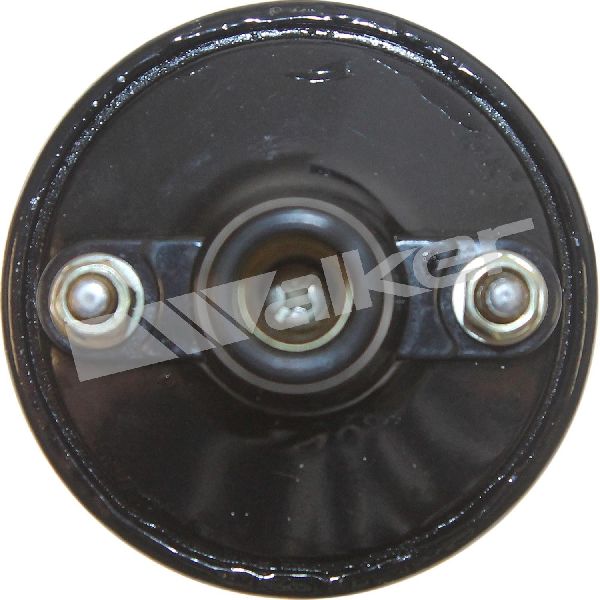
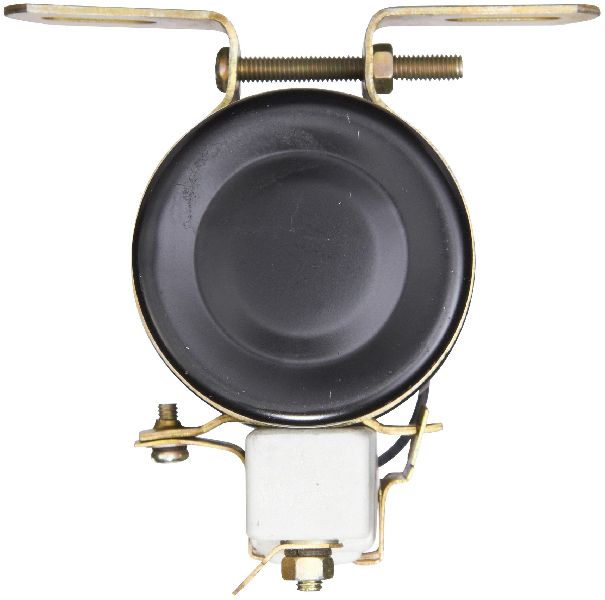
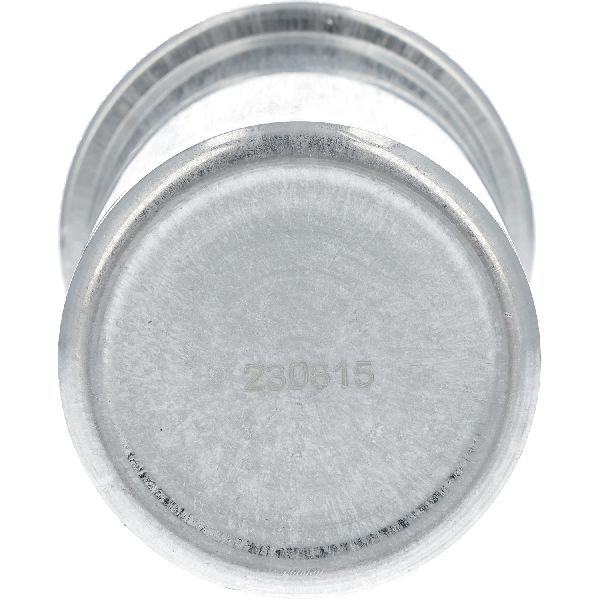
Can-style ignition coil designed for use with an external ballast resistor.
We Have This Part in Stock


The information in this article is provided for general reference and educational purposes only. Vehicle specifications, procedures, and part compatibility can vary by production date, trim level, and region. Always consult your vehicle's factory service manual and verify part numbers before purchasing or performing repairs. Safety-critical components such as airbags, seat belts, and braking systems should be installed by a qualified professional.