

Ford E-350 Econoline Suspension Stabilizer Bar Bushing Guide (1975-1992)
Restore handling and get rid of clunking noises in your heavy-duty Ford van.
- Clunking over bumps is the #1 sign of worn stabilizer bar bushings.
- You MUST measure your sway bar's diameter before ordering to ensure a correct fit.
- Choose polyurethane bushings (Energy Suspension) for better handling or rubber/thermoplastic (Moog) for a stock ride feel.
- Replacement is a feasible DIY job that can significantly improve your van's stability and quiet down the front suspension.
Is Your E-350's Front End Clunking or Feeling Loose?
If you're hearing clunking, rattling, or popping noises from the front of your 1975-1992 Ford E-350, especially when going over bumps or into driveways, there's a good chance your stabilizer bar bushings are worn out. These small but important parts are made of rubber and degrade over time, becoming hard, cracked, or loose. This allows the heavy steel sway bar to move and knock against the frame, causing noise and affecting your van's handling.
Choosing the Right Aftermarket Bushing Kit
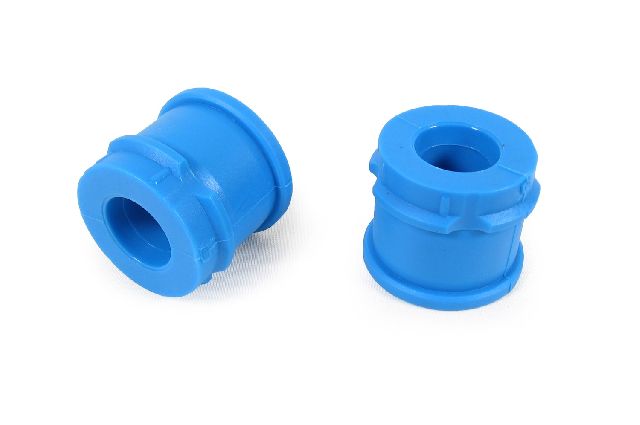
For a vehicle of this age, original Ford parts are likely unavailable. The aftermarket offers a wide range of options that often exceed original quality. Your main choice will be between standard rubber and upgraded polyurethane bushings.
Pro Tip: Measure Your Sway Bar!
Ford used several different sway bar diameters on these vans over the years. Before ordering, you must measure the diameter of your van's sway bar to ensure you get the correct size bushings. An improperly sized bushing will not work. A simple adjustable wrench or caliper can be used for an accurate measurement.
Material Types: Rubber vs. Polyurethane
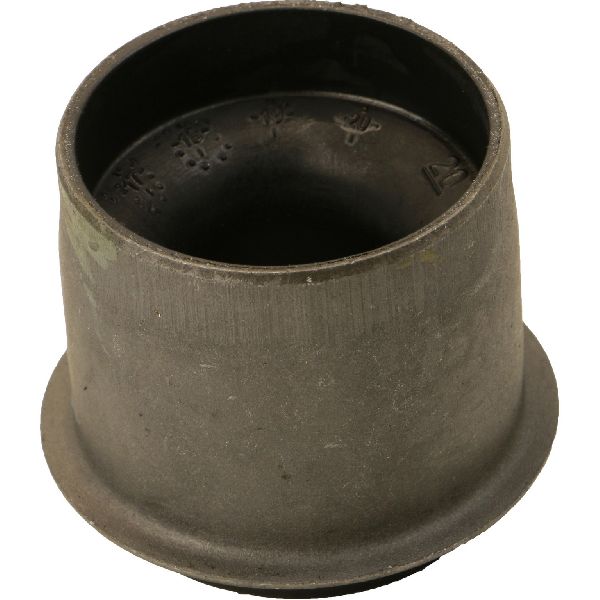
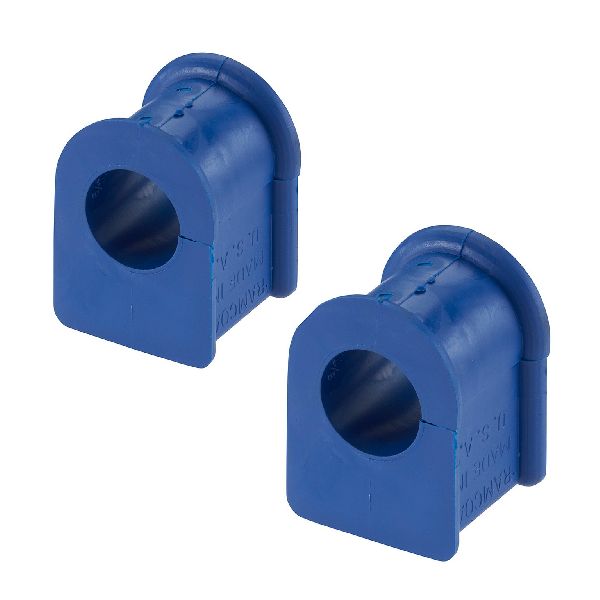
- Rubber Bushings (OEM Style): Brands like Moog and Dorman offer direct-replacement rubber or thermoplastic bushings. These are designed to restore the original ride quality. They are a solid choice for a daily driver or work van where comfort is a priority. Moog is generally considered a high-quality OEM-equivalent brand. Dorman provides a budget-friendly alternative.
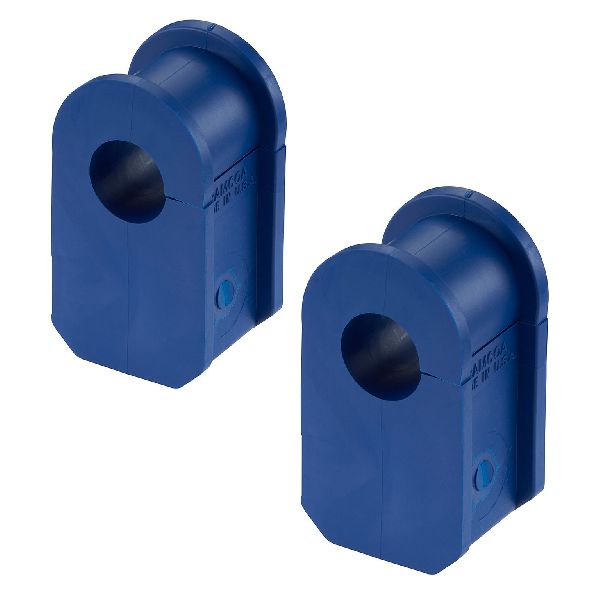
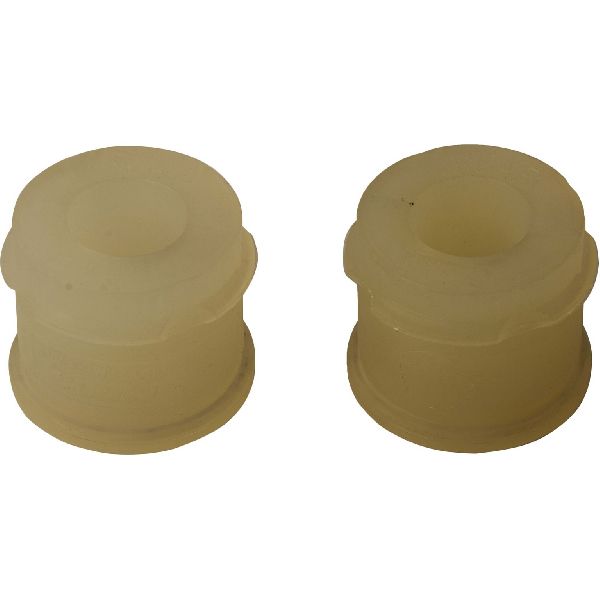
- Polyurethane Bushings (Performance): Brands like Energy Suspension and Nolathane specialize in polyurethane bushings. Polyurethane is a much firmer material that doesn't flex as much as rubber. This results in improved handling, reduced body roll, and a more connected-to-the-road feel. They are also more resistant to oil, heat, and wear. The trade-off can be a slightly firmer ride and the potential for squeaking if not lubricated properly during installation.
Brand Tiers at a Glance
- Premium/Performance: Energy Suspension, Nolathane, Moog (Problem Solver series)
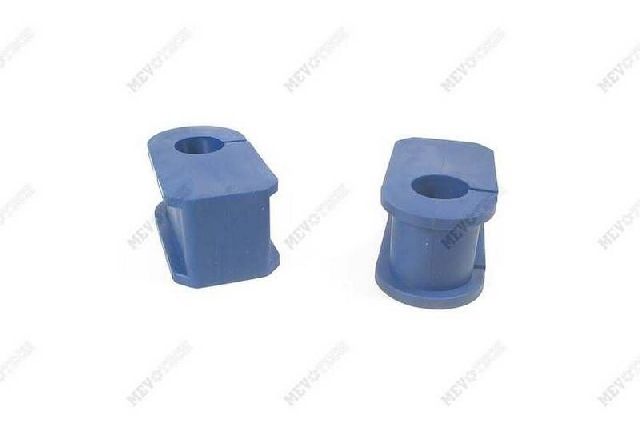
- Standard Replacement: Moog (standard line), Mevotech, Delphi, QuickSteer
- Economy: Dorman
Known Issues & Recalls
Searches for recalls and Technical Service Bulletins (TSBs) for the 1975-1992 E-350's stabilizer bar bushings did not reveal any specific official notices from Ford or the NHTSA. Most issues with these components are due to normal wear and tear over decades of use.
DIY Replacement & Costs
Replacing the stabilizer bar bushings is a straightforward job for a DIY mechanic with basic tools. The main frame bushings are held on by two brackets, each with two bolts. The most difficult part is often dealing with rusted bolts. Using penetrating oil beforehand is highly recommended. Some kits also include bushings for where the sway bar connects to the I-beams, which can be more difficult to press in and out.
| Item | Cost |
|---|---|
| Aftermarket Bushing Kit | $10.34 - $58.81 |
| Shop Labor | $95 - $150 |
| Total Estimated Cost | $105 - $210 |
Frequently Asked Questions (FAQ)
Do I need an alignment after replacing sway bar bushings?
No, an alignment is not typically necessary after replacing only the stabilizer bar bushings, as they do not affect the vehicle's alignment angles.
Should I choose rubber or polyurethane bushings for my E-350?
If you want to maintain the original, comfortable ride, choose rubber or thermoplastic bushings from a brand like Moog. If you want improved handling and performance, especially for a heavily loaded van or camper, and don't mind a slightly firmer ride, polyurethane from a brand like Energy Suspension is an excellent upgrade.
My new polyurethane bushings are squeaking. What did I do wrong?
Squeaking is almost always caused by a lack of proper lubrication. Polyurethane bushings must be greased on all surfaces that contact metal using the special grease supplied with the kit. If they squeak, you may need to disassemble them and re-grease them thoroughly.
How do I know if the bushings are bad just by looking?
You can perform a simple check. Get under the front of the van and try to shake the sway bar vigorously near where it mounts to the frame. If you can see significant movement in the bushing or hear a clunking sound, the bushings are worn and need to be replaced. Visually, you may also see cracks, missing chunks of rubber, or a gap between the bushing and the bar.
Technical Specifications
Bushings are specific to the sway bar diameter. Common diameters for this vehicle range from 22.5mm to 30.5mm and must be measured before purchase.
We Have This Part in Stock

The information in this article is provided for general reference and educational purposes only. Vehicle specifications, procedures, and part compatibility can vary by production date, trim level, and region. Always consult your vehicle's factory service manual and verify part numbers before purchasing or performing repairs. Safety-critical components such as airbags, seat belts, and braking systems should be installed by a qualified professional.