

Ford E-250 Econoline Spark Plug Wire Set Guide: 1975-1992
Choosing the right spark plug wire set for your 1975-1992 Ford E-250 Econoline is crucial for engine performance and reliability.
- Before replacing wires, check for issues described in Ford TSB 95-15-11, which can cause similar misfire symptoms.
- Access is tight; be prepared to remove the interior engine cover and potentially the front seats to reach all the plugs.
- For a stock engine, premium aftermarket brands like NGK or Denso offer the best combination of quality and value.
- Always buy a wire set that is a direct fit for your specific engine (4.9L, 5.0L, 5.8L, or 7.5L) to ensure correct lengths.
Symptoms of Failing Spark Plug Wires
When spark plug wires start to fail on your E-250, the signs are usually noticeable. Because these vans were built before modern OBD-II diagnostics, you have to rely more on how the engine feels and sounds. Look for these common symptoms:
- Engine Misfires: The engine may stumble, shake, or hesitate, especially when accelerating or climbing a hill. This happens when a weak or non-existent spark fails to ignite the fuel in a cylinder.
- Rough Idle: When stopped, you might feel a rough or uneven vibration as the engine struggles to run smoothly.
- Reduced Power & Fuel Economy: If your engine isn't firing on all cylinders, it has to work harder. You'll notice the van feels sluggish and you'll be filling up the gas tank more often.
- Visible or Audible Sparking: In a dark garage, you might see small blue sparks arcing from a cracked wire to a metal part of the engine. You may also hear a faint "ticking" sound that follows the engine's rhythm.
- Check Engine Light: On later models in this year range, a severe misfire might trigger the check engine light.
Important Diagnostic Note: TSB 95-15-11
Ford issued a Technical Service Bulletin (TSB 95-15-11) for engines of this era, including the 4.9L, 5.0L, 5.8L, and 7.5L. It warns that symptoms like misfires, stalling, and hesitation can be caused by a short in the wiring harness near the main computer (PCM). Before you assume the wires are bad, it's worth inspecting this harness, as a simple repair might solve the problem.
Choosing the Right Aftermarket Wires
For a vehicle from this era, you don't need to hunt down a rare, expensive "genuine Ford" part. Modern aftermarket wires often meet or exceed the original specifications. The key is to choose a quality brand that fits your specific engine. Your E-250 could have a 4.9L I6, 5.0L V8, 5.8L V8, or a 7.5L V8, and each needs a different wire set. Always buy a direct-fit set made for your engine to ensure the lengths are correct.
Brand Quality Tiers
Not all brands are created equal. Here’s how the available brands generally stack up based on owner experiences and reputation:
- Premium Standard Replacement (Recommended): Brands like NGK and Denso are highly respected for their quality and reliability. They provide excellent performance for a daily-driven van and are often considered the best aftermarket choice for stock applications. Motorcraft, Ford's own brand, is also an excellent choice if available.
- Performance Brands: Companies like MSD, Accel, Taylor Cable, Edelbrock, Ford Performance, and Granatelli cater to the high-performance market. These wires often feature thicker 8.5mm or 9mm jackets and lower resistance, designed for modified engines with upgraded ignition systems. While they work on a stock engine, they are generally not necessary and some users report issues like melted boots with certain brands under normal use.
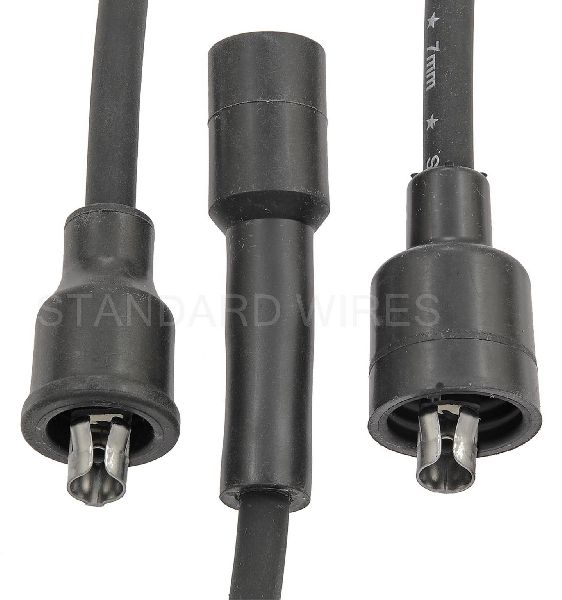
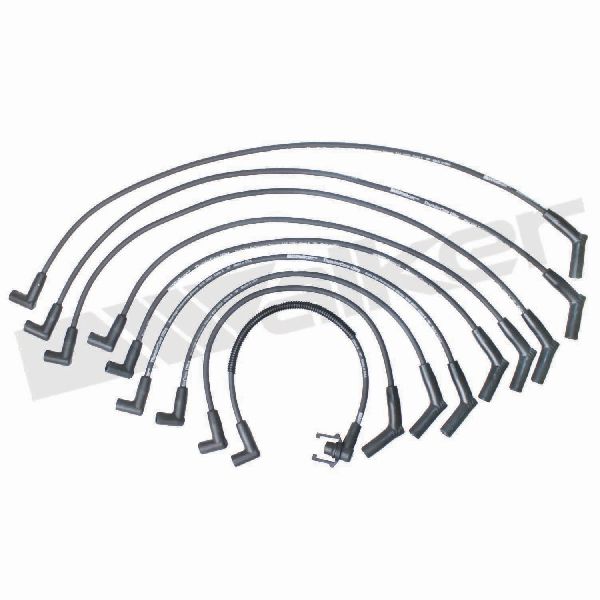
- Economy/Standard: Brands like Standard Wires and Walker Products offer a budget-friendly solution that will get the job done. They are a functional replacement for an old, worn-out set.
| Category | Estimated Price Range |
|---|---|
| New Aftermarket (Economy) | $21 - $50 |
| New Aftermarket (Premium/Performance) | $50 - $254 |
| Shop Labor for Installation | $100 - $250 |
Installation Pro-Tip
Replacing wires on an Econoline van is known for being difficult due to tight engine access. You will need to remove the interior engine cover, often called the "doghouse." For better access, some mechanics even remove the front seats. Always replace one wire at a time to avoid mixing up the firing order. A piece of tape on the old and new wire with the cylinder number can help prevent mistakes.
Frequently Asked Questions
Do I need expensive performance wires for my stock E-250?
No. For a stock engine, a quality standard replacement set from a brand like NGK or Denso is more than adequate. Performance wires are designed for high-output, modified engines and won't provide a noticeable benefit on a stock van.
How difficult is it to change the spark plug wires myself?
The job itself is simple, but access is the main challenge. Working through the interior engine cover opening is tight, especially for the front and rear cylinders. It is a feasible DIY project if you are patient and have basic tools, but expect it to take an hour or two.
What's the difference between 7mm, 8mm, and 8.5mm wires?
The measurement refers to the diameter of the wire's outer jacket. A thicker jacket provides better insulation, protecting against heat and electrical arcing. While stock wires were often 7mm or 8mm, many modern replacements are 8mm or larger. For a stock van, a quality 8mm wire is a great all-around choice.
How do I know which wire set to buy for my van?
You must buy a set that is specifically listed for your van's year and engine size (e.g., 5.8L V8). The 1975-1992 E-250 used several different engines, and each has unique wire lengths and boot angles. A direct-fit set ensures everything connects properly without being too long or too short.
Technical Specifications
OEM Part Numbers: WR-4110 (example Motorcraft number for similar era V8)
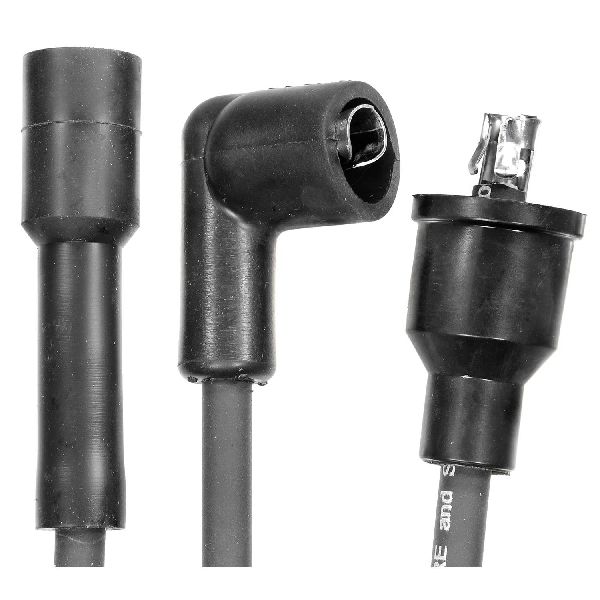
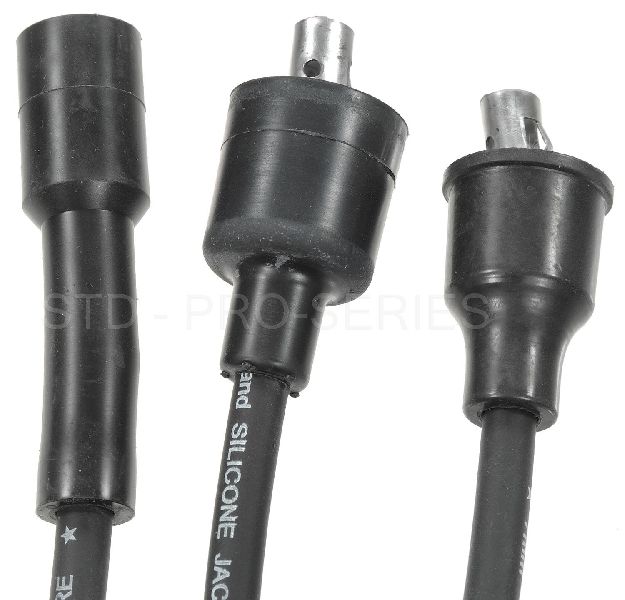
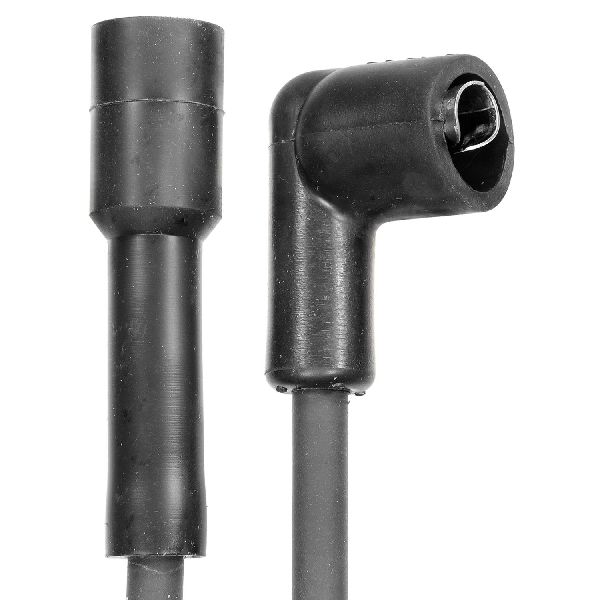
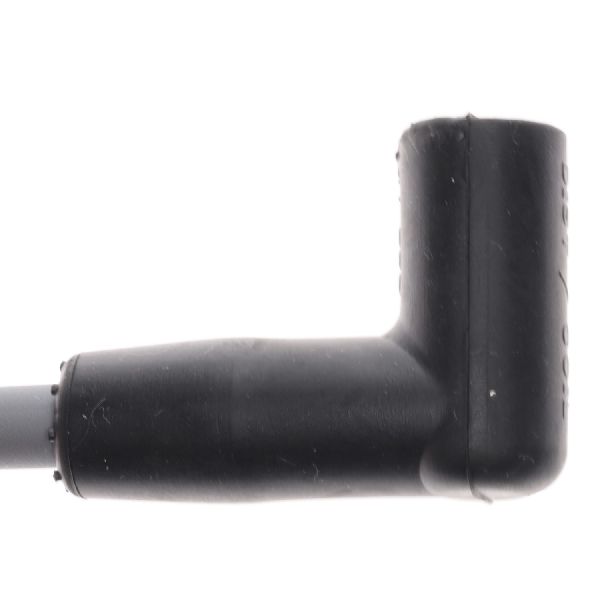
Vehicle and engine-specific fitment is critical. Wires are typically carbon core or spiral core for radio frequency interference (RFI) suppression. Common diameters are 7mm or 8mm. Sets must include the correct number of wires (6 for I6, 8 for V8) plus a coil wire, all with pre-installed, correct-angle boots for the distributor and spark plugs.
We Have This Part in Stock

The information in this article is provided for general reference and educational purposes only. Vehicle specifications, procedures, and part compatibility can vary by production date, trim level, and region. Always consult your vehicle's factory service manual and verify part numbers before purchasing or performing repairs. Safety-critical components such as airbags, seat belts, and braking systems should be installed by a qualified professional.