

Choosing the Right Transmission Filter Kit for Your 1975-1989 Dodge W100
Keep your classic Dodge truck's automatic transmission shifting smoothly by selecting the best new aftermarket filter kit.
- A clogged transmission filter can cause serious damage; symptoms like slipping, harsh shifts, or whining should be addressed immediately.
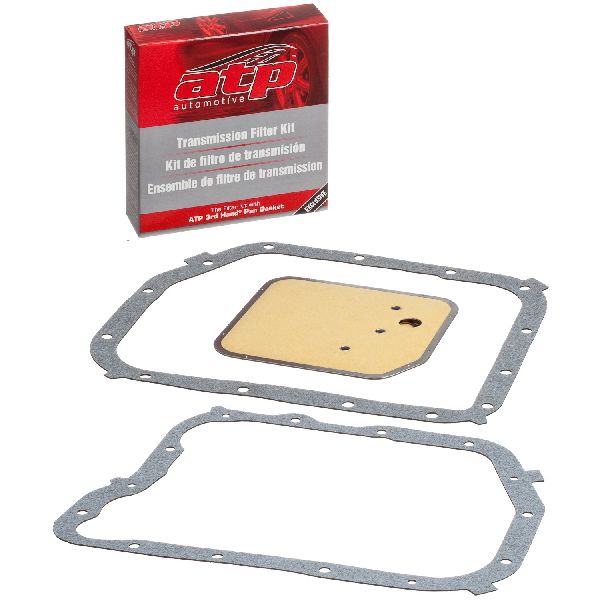
- For DIY installation, ATP kits are highly recommended due to their helpful 'third hand' gaskets that simplify pan installation.
- Wix offers excellent filter quality, but be prepared to potentially use a different gasket if the included one is basic cork.
- Always use a modern ATF+4 transmission fluid, as it is backward-compatible and offers superior protection for your classic truck's transmission.
Is your W100's Transmission Acting Up?
The automatic transmission in your 1975-1989 Dodge W100 is a tough, reliable unit, but it needs clean fluid to survive. The transmission filter is what keeps that fluid clean. When the filter gets clogged with debris, it can starve the transmission of fluid, leading to serious problems. Ignoring the signs can turn a simple maintenance job into a complete transmission rebuild.
Key Symptoms of a Clogged Transmission Filter
- Slipping Gears: The engine RPMs increase, but the truck doesn't accelerate properly.
- Delayed or Harsh Shifting: You might notice a long pause or a hard clunk when the transmission shifts gears.
- Whining Noise: A whining or buzzing sound from the transmission area, especially when in gear, can indicate the transmission pump is struggling to pull fluid through a clogged filter.
- Burnt Smell or Overheating: Restricted fluid flow causes heat. If your transmission fluid smells burnt or the transmission is running hotter than usual, a clogged filter could be the cause.
- Visible Debris in Fluid: When checking your fluid, if you see metallic specks, it's a sign of internal wear and that the filter is likely full.
Choosing the Right Aftermarket Transmission Filter Kit
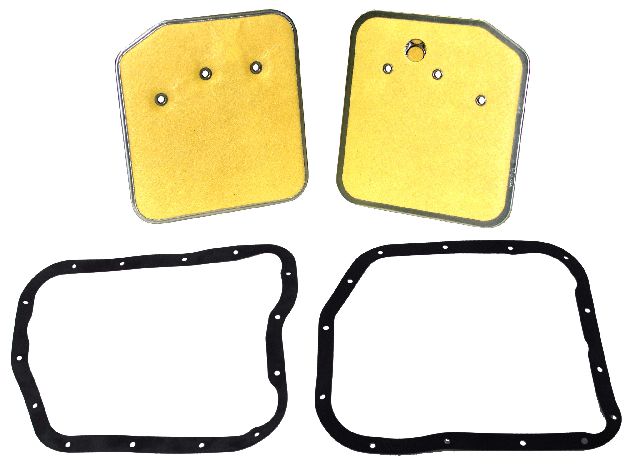
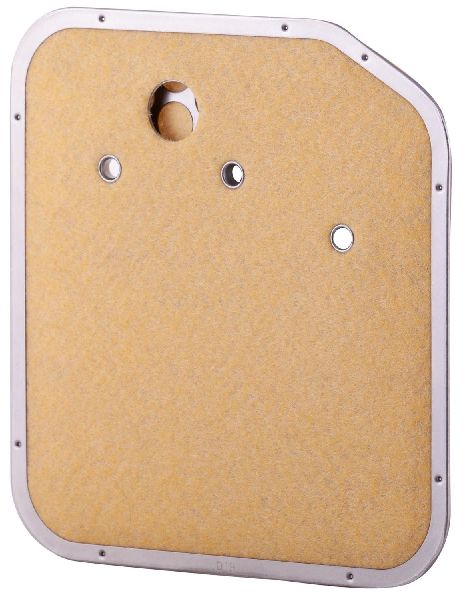
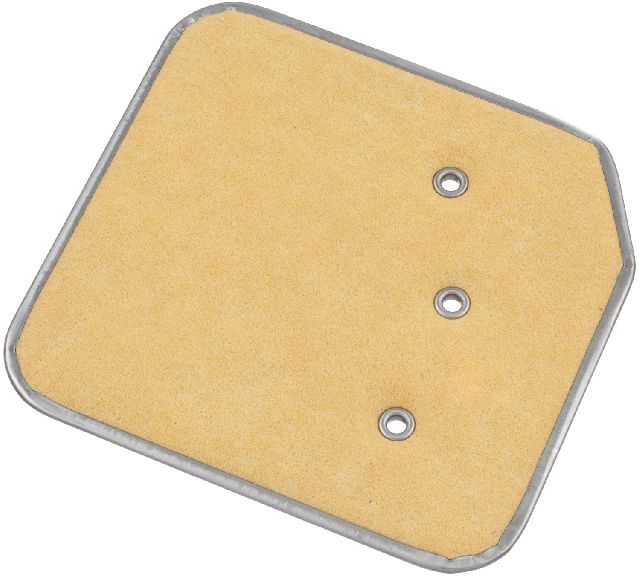
For a vehicle from this era, finding original Mopar parts can be difficult and expensive. The good news is that several aftermarket companies produce quality filter kits. The most important components are the filter itself and the pan gasket. A poor-quality gasket can lead to leaks, which is the last thing you want after finishing the job.
Brand Tiers & What to Look For
Not all aftermarket kits are created equal. Here’s a breakdown of what to expect from the available brands:
- Tier 1 - Reputable & Reliable (Wix, ATP):
- Wix: A well-known filter manufacturer trusted for its filtration media. While the filter is top-notch, some users note that the included pan gaskets can be basic cork, which may be more prone to leaking if not installed perfectly. Overall, a very solid choice where the filter is the priority.
- ATP: Highly regarded in online forums, especially for their gaskets. Many ATP kits feature a gasket with undersized corner holes that cleverly hold the bolts in place, acting as a "third hand" during installation and making the job much easier. The filter quality is considered dependable, making ATP a great all-around choice for DIYers.
- Tier 2 - Standard Replacement (Premium Guard, Pioneer Cable):
- Premium Guard: This brand offers different levels of kits. Their standard kits often include quality NBR rubber gaskets, some with the helpful "third hand" design similar to ATP. They are a good, budget-friendly option that meets OEM standards.
- Pioneer Cable: While a known brand in the aftermarket world, there is less specific feedback available from users regarding their transmission filter kits. They are generally considered a standard replacement part that will get the job done at a competitive price.
Pro Tip: Check Your Pan Depth
Some Dodge trucks were equipped with a deeper transmission pan from the factory or had one added by a previous owner. Deep pans require a filter with a longer pickup tube. Always double-check which pan your truck has before ordering to ensure you get the correct filter.
Typical Costs for a Transmission Filter Service
| Item | Estimated Cost |
|---|---|
| New Aftermarket Filter Kit | $17 - $57 |
| Transmission Fluid (ATF+4 or equivalent) | $40 - $80 (for 5-8 quarts) |
| Shop Labor for Installation | $100 - $200 |
| Total DIY Cost (Parts Only) | $57 - $137 |
| Total Shop Cost (Parts & Labor) | $157 - $337 |
Frequently Asked Questions
How often should I change my transmission filter?
For a classic truck like the 1975-1989 W100, a good rule of thumb is to change the transmission fluid and filter every 30,000 to 50,000 miles, or sooner if you frequently tow or haul heavy loads. If you just acquired the truck and don't know its service history, changing the fluid and filter is one of the first maintenance items you should perform.
Is changing the transmission filter a DIY job?
Yes, for most people with basic mechanic's tools, this is a manageable DIY project. The process involves safely raising the vehicle, draining the fluid by dropping the transmission pan, replacing the old filter and gasket, and then reinstalling the pan and refilling the fluid. The biggest challenge is managing the mess from the transmission fluid. The job typically takes 1-2 hours.
What type of transmission fluid should I use?
For these Chrysler transmissions, modern ATF+4 fluid is the recommended type. It is backward-compatible with older specifications like ATF+3 or ATF+2 that were originally called for. Always check your specific vehicle's requirements, but ATF+4 is generally the correct choice.
Are there any recalls or TSBs for the W100 transmission filter?
No, there are no specific recalls or Technical Service Bulletins (TSBs) from the NHTSA for the transmission filter kit on the 1975-1989 Dodge W100. Any issues that arise are due to age, wear, and maintenance history, making regular service even more critical.
Technical Specifications
Fits Torqueflite A727 and A904 automatic transmissions. Kit must include filter and pan gasket. Fluid type: ATF+4 or equivalent.
We Have This Part in Stock


The information in this article is provided for general reference and educational purposes only. Vehicle specifications, procedures, and part compatibility can vary by production date, trim level, and region. Always consult your vehicle's factory service manual and verify part numbers before purchasing or performing repairs. Safety-critical components such as airbags, seat belts, and braking systems should be installed by a qualified professional.