

Ford E-350 Econoline 1975-1983 Spark Plug Wire Set Reference
Keep your classic Ford van running strong by choosing the right spark plug wires for your engine.
- Verify your E-350's engine (e.g., 4.9L I6, 5.8L V8, 7.5L V8) before ordering to ensure correct fit.
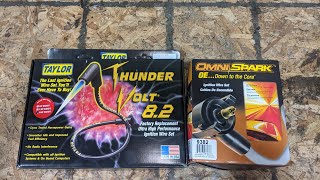
- For most users, a quality standard replacement set from NGK or Denso is sufficient; for heavy use, consider performance brands like Taylor or Accel.
- Replace wires one at a time to maintain the correct firing order and prevent engine running issues.
- Symptoms of bad wires include rough idle, misfiring, and poor fuel economy; these will not trigger a check engine light on this vehicle.
Signs of Failing Spark Plug Wires
On a 1975-1983 E-350, you won't get a "Check Engine" light. You have to rely on how the van feels and sounds. When spark plug wires start to fail, the symptoms are usually noticeable.
- Rough Idle: The engine may shake or run unevenly when stopped.
- Engine Misfires: You might feel a stumble or hesitation from the engine, especially under load or when accelerating.
- Reduced Power and Fuel Economy: A weak spark means incomplete combustion, wasting fuel and reducing horsepower.
- Difficulty Starting: The engine may crank for a long time before it starts, or fail to start at all.
- Visible Damage: Check the wires for cracks, melting, or burn marks, especially where they might touch hot engine parts like the exhaust manifold.
Choosing the Right Aftermarket Wires
For a vehicle from this era, new aftermarket wires from a quality brand will often outperform the original 1970s or 1980s technology. The key is to buy the correct set for your specific engine, as the E-350 was available with different options (e.g., 300 I6, 351W V8, 460 V8).
Brand & Quality Tiers
Your choice depends on your van's use and your budget. Here’s a breakdown of common brands:
- Standard Replacement (Good): Brands like Standard (SMP) and Walker Products offer direct-fit, budget-friendly options that meet or exceed original specifications. They are a solid choice for daily driving and general use. NGK and Denso also provide excellent standard replacement sets.
- Heavy-Duty / Performance (Better): For work vans or those looking for a performance edge, brands like Accel, Taylor Cable, and Ford Performance are excellent choices. They often feature thicker 8mm or 9mm silicone jackets for better heat resistance and lower electrical resistance for a stronger spark. Forum users frequently recommend Taylor and Ford Racing wires for classic Ford trucks.
- High-Performance (Best): Brands like MSD and Granatelli are geared towards high-performance and racing applications. Their wires offer extremely low resistance and superior insulation, which is beneficial for modified engines but may be overkill for a stock E-350. 🎬 Watch a dyno test comparing performance wires to standard options.
| Quality Tier | Price Range (Aftermarket) | Common Brands |
|---|---|---|
| Standard Replacement | $21 - $60 | Standard, Walker, NGK, Denso |
| Heavy-Duty / Performance | $60 - $150 | Accel, Taylor Cable, Ford Performance, Edelbrock |
| High-Performance | $150 - $253+ | MSD, Granatelli |
Common Issues & Recalls
Searches for official recalls or Technical Service Bulletins (TSBs) on the NHTSA website for the 1975-1983 Ford E-350 specifically regarding spark plug wires did not yield any results. Recalls found were for much newer model years and unrelated components. Any issues with these older vans are typically due to age and wear, not manufacturing defects that would trigger a recall today.
Frequently Asked Questions (FAQ)
Do I need expensive performance wires for my stock engine?
Not necessarily. While high-performance wires from brands like MSD or Taylor can offer better heat resistance and a slightly stronger spark, a quality standard replacement set from NGK or Denso is perfectly adequate for a stock E-350 engine in good condition. However, if your van operates under heavy loads or you have headers, the better insulation of performance wires is a worthwhile upgrade.
What is the most common mistake when ordering?
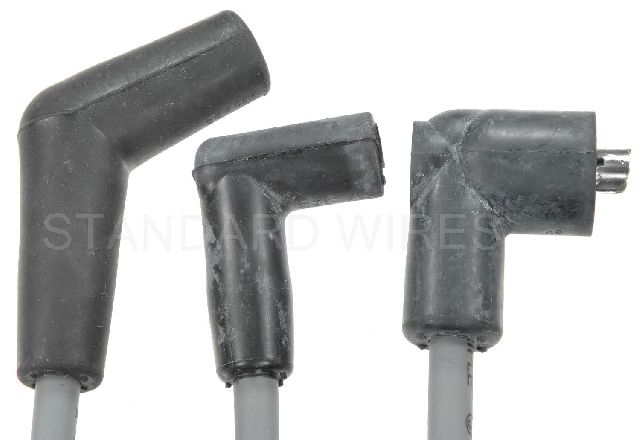
The most common mistake is ordering a set for the wrong engine. The 1975-1983 E-350 came with different engines, like the 4.9L I6, 5.8L 351W V8, and the 7.5L 460 V8. Each requires a specific wire set with different lengths and boot angles. Always verify your van's engine before purchasing.
How often should I replace my spark plug wires?
There is no strict interval, but it's good practice to inspect them with every tune-up. Due to exposure to high heat and chemicals, wires age and degrade. A general guideline is to replace them every 30,000 to 50,000 miles, 🎬 See how a full tune-up transforms a Ford E-350's performance. or immediately if you notice any signs of wear, damage, or engine performance issues.
What does wire diameter (7mm, 8mm, 8.5mm) mean?
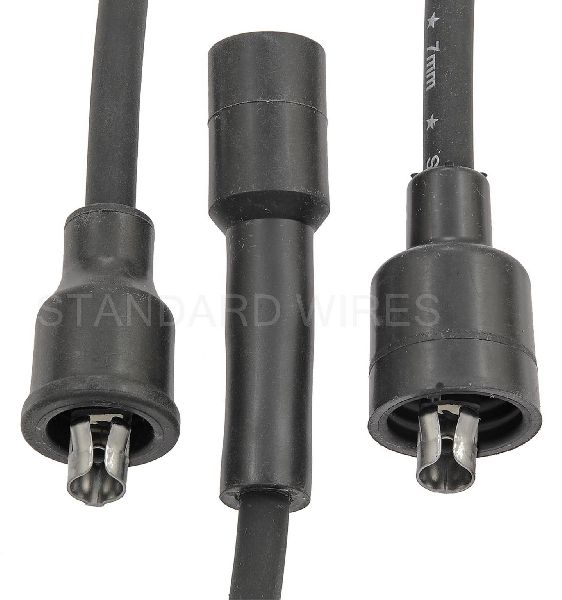
The diameter refers to the thickness of the wire, including its insulation. A thicker wire (e.g., 8.5mm) generally has better silicone insulation, offering more protection against heat and preventing voltage from arcing to the engine block. This is especially important in the tight, hot engine bay of a van. Standard wires are often 7mm, while performance wires are thicker.
Helpful Videos

Technical Specifications
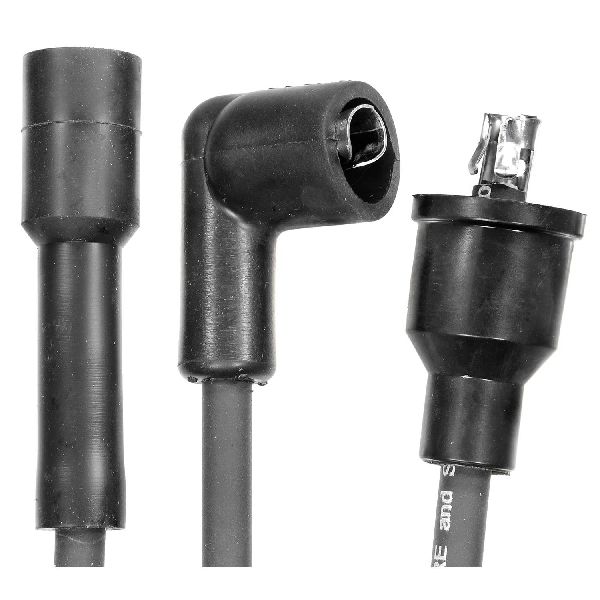
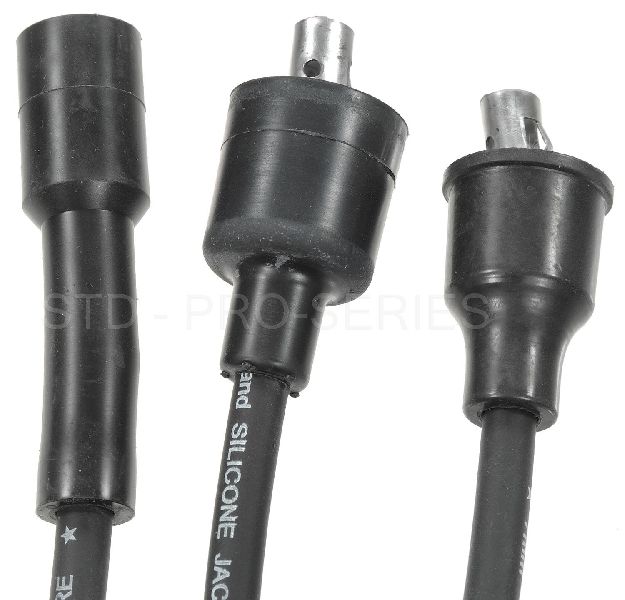
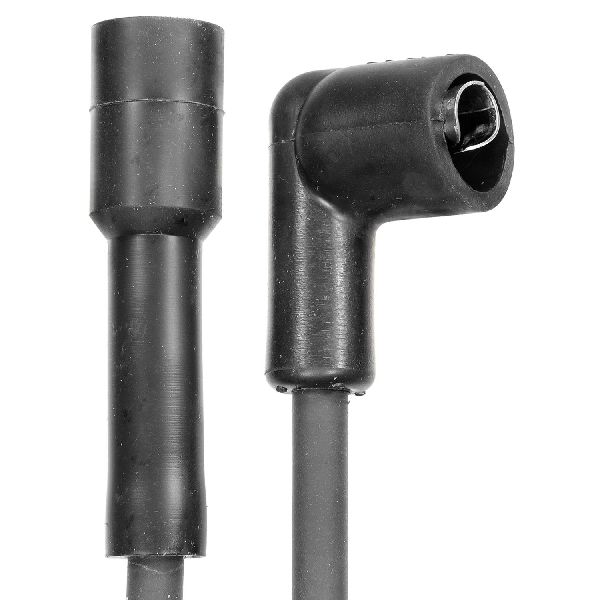
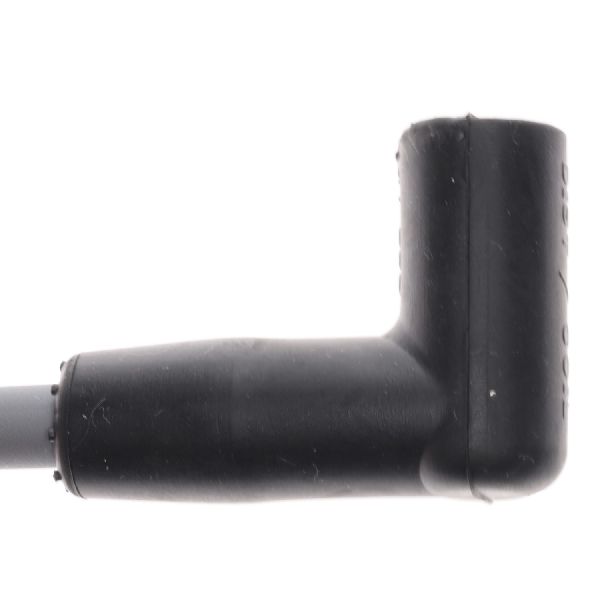
Vehicle and engine-specific fitment. Wire core can be carbon (standard) or spiral-wound (performance) for RFI suppression. Insulation is typically silicone. Diameter ranges from 7mm (standard) to over 9mm (performance). Boot ends must match the distributor cap and spark plug angle (e.g., straight, 45-degree, 135-degree).
We Have This Part in Stock

The information in this article is provided for general reference and educational purposes only. Vehicle specifications, procedures, and part compatibility can vary by production date, trim level, and region. Always consult your vehicle's factory service manual and verify part numbers before purchasing or performing repairs. Safety-critical components such as airbags, seat belts, and braking systems should be installed by a qualified professional.