

Engine Valve Lifter Guide for 1975-1982 Ford E-350 Econoline
Fix that annoying engine ticking and restore lost power by choosing the right valve lifters for your classic Ford van.
- A ticking noise is the primary symptom of a failing valve lifter, but rule out exhaust leaks first.
- For these older Ford engines, always replace the flat tappet lifters and the camshaft as a set to prevent rapid wear.
- Replacement is a complex job requiring intake manifold removal; it's feasible for an experienced DIYer but is often best left to a professional.
- Use a quality break-in oil or zinc additive during installation to protect the new cam and lifters during the critical first run.
Is Your Econoline's Engine Ticking? It Could Be the Valve Lifters.
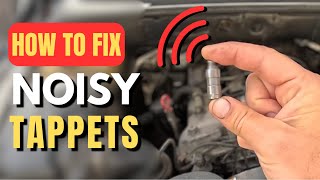
A common sign of a problem in the big V8 engines of the 1975-1982 E-350 is a distinct ticking or tapping noise coming from the top of the engine. This sound often points to a worn or collapsed valve lifter. Because these lifters rely on oil pressure, problems like infrequent oil changes, low oil levels, or contaminated oil can cause them to fail. Over many years and miles, simple wear and tear is also a primary cause of failure. Ignoring a noisy lifter can lead to bigger problems, including a misfiring engine, loss of power, and potential damage to other valvetrain parts 🎬 Watch this guide on diagnosing and fixing noisy valve lifters. like the camshaft.
Don't Confuse Lifter Tick with an Exhaust Leak
A ticking noise can also be caused by an exhaust manifold leak, which is common on these Ford engines. An exhaust leak is often louder when the engine is cold and may quiet down as it warms up. You might also smell exhaust fumes in the engine bay. A lifter tick is usually more consistent and sounds like a metallic tapping.
Choosing the Right Aftermarket Lifters for Your E-350
For a vehicle of this age, new OEM Ford lifters are generally not available. The aftermarket is your primary source, offering a range of options from standard replacements to high-performance upgrades. All engines in this van series use hydraulic flat tappet lifters.
Brand Quality Tiers
- Standard OE-Style Replacements (Melling, Sealed Power): Melling is a well-respected brand known for producing parts that meet or exceed original equipment quality. They are a safe and reliable choice for a stock engine rebuild. Sealed Power is another established brand that offers a good balance of quality and value, making it a solid budget-friendly option for daily drivers and work vans.
- Performance Street/Strip (COMP Cams, Isky Racing Cams): Brands like COMP Cams and Isky Racing Cams are geared towards high performance. Their lifters are designed to handle more aggressive camshafts and higher RPMs. While they can be used in a stock engine, they are often considered an upgrade and may be overkill unless you are also upgrading other engine components like the camshaft. Some user reviews mention quality control issues with performance brands like COMP Cams, such as receiving incorrect parts or experiencing premature failure, so careful inspection upon receipt is crucial.
Pro Tip: Replace Lifters and Camshaft Together
On a flat tappet engine, the lifters and camshaft lobes wear together as a matched set. It is highly recommended to replace the lifters and camshaft at the same time. Installing new lifters on a worn camshaft (or vice-versa) can cause rapid failure of both components. Always use a high-zinc break-in oil or additive when installing a new flat tappet cam and lifters to ensure they are properly lubricated during the critical initial run-in period.
Cost to Replace Engine Valve Lifters on a 1975-1982 E-350
The cost can vary significantly based on the parts you choose and labor rates in your area.
| Item | Estimated Cost |
|---|---|
| New Aftermarket Lifter Set (16) | $100 - $450 |
| Shop Labor | $600 - $1200 |
| Total Estimated Cost | $700 - $1650 |
Frequently Asked Questions
Can I replace just one bad lifter?
While you can replace a single failed lifter, it is not recommended. If one lifter has worn out, the others are likely near the end of their service life as well. For flat tappet engines, it's critical that new lifters are installed with a new camshaft to prevent premature wear. Replacing all lifters at once saves you from having to do the job again in the near future.
Is replacing valve lifters a DIY job?
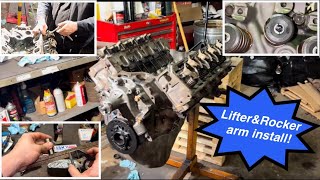
This is an advanced DIY job. It requires removing the valve covers, rocker arms, pushrods, and the intake manifold to access the lifters in the engine valley. The job can be time-consuming and requires careful attention to detail, such as keeping parts in order and properly lubricating 🎬 See how to check and install lifters on Ford engines. new components. If you are not comfortable with this level of engine disassembly, it is best to leave it to a professional mechanic.
Do I need to soak new lifters in oil before installation?
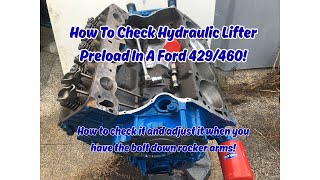
While some people soak lifters, many mechanics recommend simply coating the outside and bottom face of the lifter with a high-quality assembly lube. Soaking them can make it difficult to properly check lifter preload during installation 🎬 Learn how to adjust hydraulic lifter preload on Ford V8s. because they will be fully pumped up. The crucial step is to prime the engine's oil system by spinning the oil pump with a drill before starting the engine for the first time to ensure the new lifters are filled with oil.
What type of lifters does my 1975-1982 E-350 use?
The V8 engines available in this generation of E-350 vans (such as the 351M, 400, and 460) use hydraulic flat tappet lifters. They do not use roller lifters, which are found in more modern engines.
Helpful Videos
Technical Specifications
Lifter Type: Hydraulic Flat Tappet Lifter Outside Diameter: 0.875 in.
We Have This Part in Stock



The information in this article is provided for general reference and educational purposes only. Vehicle specifications, procedures, and part compatibility can vary by production date, trim level, and region. Always consult your vehicle's factory service manual and verify part numbers before purchasing or performing repairs. Safety-critical components such as airbags, seat belts, and braking systems should be installed by a qualified professional.