

Ford E-150 Econoline Club Wagon Starter Replacement and Diagnosis (1975-1982)
Solve common starting problems like clicking, slow cranking, and heat soak on your classic Ford van.
- Always test the inexpensive fender-mounted starter relay first; it's a very common failure point often misdiagnosed as a bad starter.
- Thoroughly inspect and clean all battery cables and ground connections, as corrosion causes starting problems that mimic a failed starter.
- For V8 models with slow hot-start issues (heat soak), upgrading to a modern high-torque starter is the most reliable long-term solution.
- Ensure you order the correct part for your van's transmission (manual vs. automatic), as they are not interchangeable.
Is Your Econoline's Starter Failing?
A bad starter can fail suddenly, leaving you stranded. On these classic Ford vans, symptoms are usually straightforward. Recognizing them can help you pinpoint the problem before you spend money on the wrong part.
- Single Loud "Click": When you turn the key, you hear one loud click from the engine bay, but the engine doesn't crank. This often means the fender-mounted solenoid is working, but the starter motor itself is dead.
- Slow, Labored Cranking: The engine turns over very slowly, as if the battery is weak. If the battery is good, this points to a weak starter motor drawing too much power.
- Heat Soak Issues: A very common problem on these vans, especially with V8 engines, is slow cranking only when the engine is hot. The starter is located near the hot exhaust, and over time, this heat can damage the starter's internal windings, causing it to struggle after a hot restart.
- Grinding or Whirring Noise: If you hear a grinding or high-pitched whirring sound when trying to start the engine, the starter gear may not be engaging correctly with the flywheel, or it may be damaged.
Don't Replace the Starter Yet! Check These First.
On 1975-1982 Econolines, other parts often fail and get misdiagnosed as a bad starter. Save time and money by checking these simple things first:
- Fender-Mounted Starter Relay/Solenoid: This is the most common failure point. It's an inexpensive part located on the fender wall in the engine bay. If you hear a click when you turn the key, this part is a likely suspect.
- Battery and Cables: Make sure your battery is fully charged. Use a wire brush to clean any corrosion from the battery terminals, the engine ground strap, and the connections at the starter and solenoid. Old, corroded, or undersized cables can cause slow cranking that perfectly mimics a bad starter.
Choosing a New Aftermarket Starter
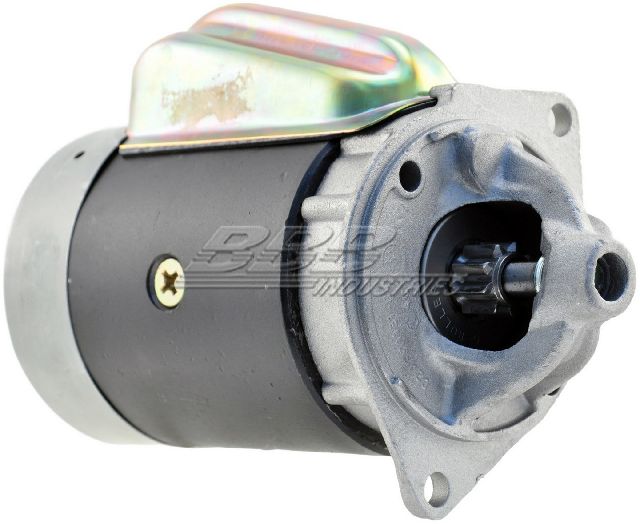
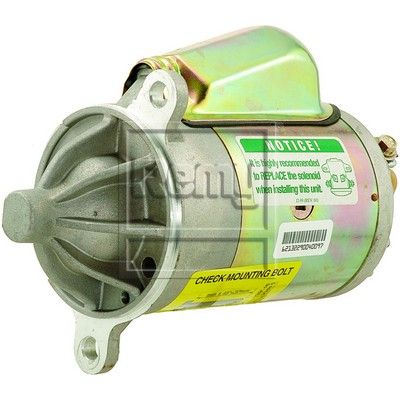
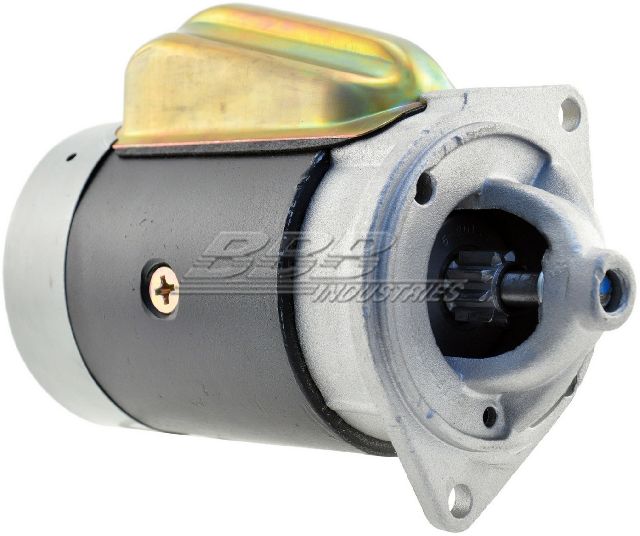
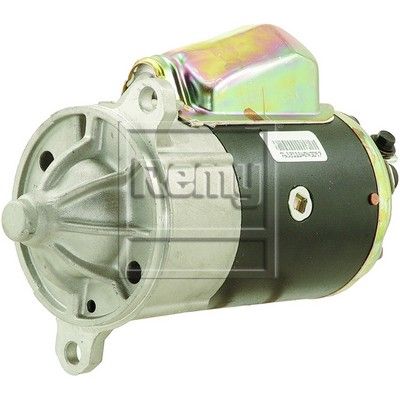
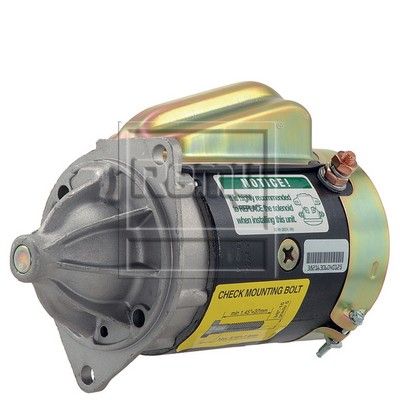
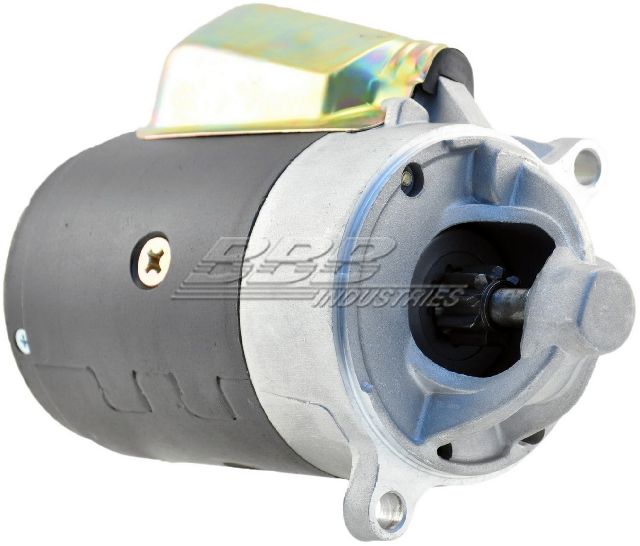
For a vehicle of this age, finding a new OEM Ford starter is not a realistic option. Your choice will be between new and remanufactured aftermarket parts. Both BBB Industries and Remy are common suppliers for these vans.
New vs. Remanufactured Aftermarket
Many owners in forums report getting poor quality, mass-remanufactured starters that fail quickly. While premium remanufacturers like BBB Industries test components to meet OE standards, the quality can sometimes be inconsistent. Some owners prefer to have their original Ford starter rebuilt by a local auto electric shop if possible.
A high-quality new aftermarket starter, like those from Remy, can be a significant upgrade. Forum users have reported that new Remy starters have much more torque, resulting in faster, more reliable starts compared to the original. For vans with heat soak problems, upgrading to a modern, high-torque gear-reduction starter is often the best and most permanent solution.
Aftermarket Brand Overview
| Brand | Typical Quality & Notes |
|---|---|
| Remy | Generally positive reviews for their new starters. Owners often report faster cranking speeds and good torque. Some isolated reports of early failure exist, particularly in high-heat situations. |
| BBB Industries | A major remanufacturer supplying many auto parts stores. Their parts are designed to meet OE standards, but as with any remanufactured part, quality can vary. They are generally considered a decent, standard replacement option. |
Pro Tip: Manual vs. Automatic Transmission
When ordering, you MUST get the correct starter for your van's transmission type. The starters for manual and automatic transmissions have different mounting depths and are not interchangeable. Using the wrong one will result in a grinding noise or a starter that spins without cranking the engine.
Frequently Asked Questions (FAQ)
How do I test the starter system?
First, ensure the van is in Park or Neutral. To test the fender solenoid, have a helper turn the key to 'start' while you check for 12 volts at the solenoid's large output post (the one with the cable going down to the starter). If you have 12 volts there but the starter doesn't spin, the problem is likely the starter or the cable leading to it. If you don't have 12 volts, the solenoid is likely bad. You can also bench test a starter out of the vehicle with jumper cables to see if it spins and kicks the gear out.
What is the best fix for starter heat soak?
While a heat shield or starter blanket can help, they are often a temporary fix for an already weakened starter. The most effective and permanent solution is to replace the old, large starter with a modern, high-torque, gear-reduction model (often called a 'mini-starter'). These starters are smaller, more powerful, less affected by heat, and provide better clearance from the exhaust.
Can I just replace the small solenoid on the starter itself?
On these vans, the primary solenoid (relay) is on the fender wall. The component on the starter motor itself is part of the starter drive. While it can sometimes be replaced, if the starter motor is old, it is usually more reliable and cost-effective to replace the entire starter assembly to prevent another failure soon.
What tools are needed for a starter replacement?
You will need a good socket set with extensions, a ratchet, and wrenches. The starter is held on by two or three bolts. The top bolt can sometimes be difficult to access, often requiring a long extension. Due to the vehicle's age, expect rusted bolts that may require penetrating oil or heat to remove. You will also need a jack and jack stands to safely work under the van.
Technical Specifications
System Voltage: 12V. Design: Utilizes an external, fender-mounted starter relay (solenoid). Fitment is specific to transmission type (Manual or Automatic).
We Have This Part in Stock

The information in this article is provided for general reference and educational purposes only. Vehicle specifications, procedures, and part compatibility can vary by production date, trim level, and region. Always consult your vehicle's factory service manual and verify part numbers before purchasing or performing repairs. Safety-critical components such as airbags, seat belts, and braking systems should be installed by a qualified professional.