

1975-1981 Buick Skyhawk Catalytic Converter: A Complete Guide
Here’s what you need to know when replacing the catalytic converter on your classic Buick Skyhawk.
- A failing converter on a Skyhawk causes sluggish performance, rattling, and a rotten egg smell.
- New aftermarket parts are the only practical option; OEM parts are no longer available.
- Before replacing the converter, fix any engine problems (like oil burning) that caused it to fail.
- Choose between direct-fit for easier DIY installation or a weld-in universal part for custom jobs.
Is Your Skyhawk's Catalytic Converter Failing?
The catalytic converters on early emissions-controlled vehicles like the 1975-1981 Buick Skyhawk were prone to issues. If your Skyhawk is feeling sluggish, struggling to accelerate, or getting poor gas mileage, a clogged converter could be the culprit. A clogged converter acts like a potato in the tailpipe, creating backpressure that chokes the engine.
Listen for a rattling sound from underneath the car. The ceramic honeycomb inside can break apart over time, causing pieces to rattle around inside the metal housing. You might also notice a rotten egg or sulfur smell from the exhaust, which is a sign the converter is no longer processing exhaust gases correctly.
OEM vs. Aftermarket: Your Only Real Choice
For a classic car like the Skyhawk, finding a brand-new Original Equipment Manufacturer (OEM) catalytic converter from GM is practically impossible. These parts were discontinued long ago. While you could search for a "New Old Stock" (NOS) part, it would be extremely rare and expensive. Used converters are not recommended as they have a limited lifespan and may already be failing.
This leaves new aftermarket parts as the only logical and reliable option. Aftermarket converters are more affordable and are designed to meet or exceed federal EPA emissions requirements.
Choosing the Right Aftermarket Converter
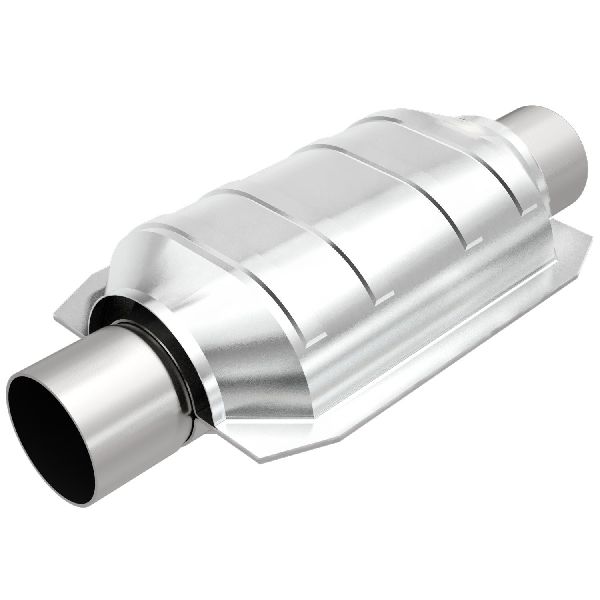
When shopping for your Skyhawk, you will find two main types: direct-fit and universal. A direct-fit converter is designed to bolt into the original location with minimal modifications. A universal converter is designed to fit a wide range of vehicles but will require cutting and welding for a proper installation.
Here's a look at the brands available for your vehicle:
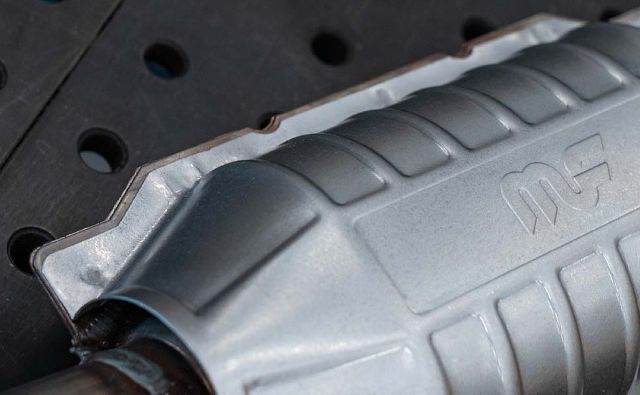
- MagnaFlow / MagnaFlow Performance Exhaust: MagnaFlow is a well-known brand often associated with performance and durability. Their converters are typically made from stainless steel to resist corrosion. For the Skyhawk, they offer universal options that will require welding, making them a good choice if you are already having custom exhaust work done.
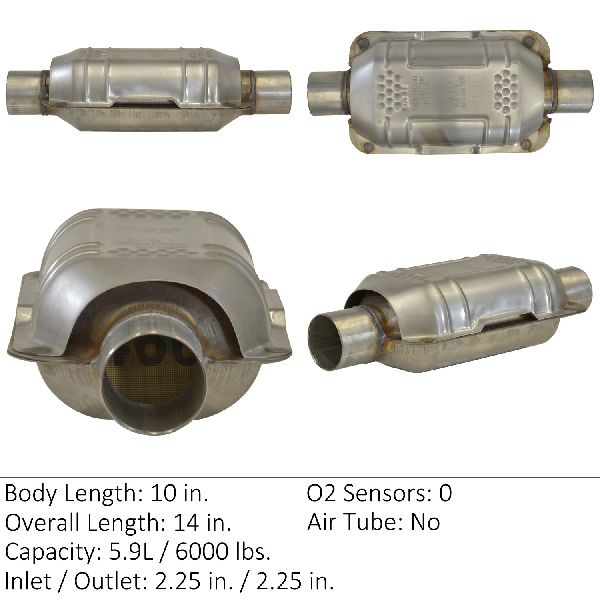
- Eastern Catalytic: This brand is known for providing reliable, budget-friendly replacement parts. Forum users and mechanics often see them as a solid standard replacement option that fits well and performs correctly. If you're looking for a cost-effective solution that gets the job done, Eastern Catalytic is a dependable choice.
Pro Tip: Find the Root Cause
Catalytic converters usually don't fail on their own. The most common reasons for failure are an engine that burns oil, an incorrect air/fuel mixture, or a coolant leak. Before you install a new converter, it's critical to diagnose and fix any underlying engine issues. If you don't, you risk damaging your new converter as well.
Cost of Replacing a Buick Skyhawk Catalytic Converter
The cost for a new aftermarket catalytic converter for your Skyhawk is quite reasonable. The main cost variable will be the labor to install it, especially if your old exhaust system is rusted and requires cutting.
| Part/Service | Estimated Cost |
|---|---|
| New Aftermarket Catalytic Converter | $100 - $137 |
| Shop Labor (Bolt-on) | $120 - $250 |
| Shop Labor (Weld-in) | $180 - $350 |
| Total Estimated Cost | $220 - $487 |
Cost estimates are for reference only and may vary based on your location, the specific part chosen, and the condition of your vehicle.
Frequently Asked Questions
Can I replace the catalytic converter myself?
Yes, if you have the right tools and experience. The job requires safely lifting the vehicle on jack stands. The biggest challenge will be dealing with rusted bolts, which may require penetrating oil, a torch, or a saw to remove. If you are not comfortable with this, it is best to leave it to a professional exhaust shop.
Should I choose a direct-fit or universal converter?
A direct-fit converter is easier to install for a DIY mechanic because it's designed to bolt right in. A universal converter requires cutting and welding, which is best left to an exhaust shop. However, a universal part from a brand like MagnaFlow can be a great option if you're already having custom exhaust work done.
Are there any recalls for the 1975-1981 Buick Skyhawk catalytic converter?
No, searches of the National Highway Traffic Safety Administration (NHTSA) database show no recalls or common defect investigations for the catalytic converter on this specific vehicle.
Do I need a special type of converter for California?
Yes, California (and states that follow its regulations like NY, CO, and ME) has stricter emissions standards and requires a CARB-compliant converter. The parts in this guide are Federal/EPA compliant and are not legal for use in those states. Always check local regulations before purchasing.
Technical Specifications
Varies by brand. Available as universal (weld-in) or direct-fit (bolt-on). Must be Federal/EPA compliant. Stainless steel or aluminized steel construction.
We Have This Part in Stock

The information in this article is provided for general reference and educational purposes only. Vehicle specifications, procedures, and part compatibility can vary by production date, trim level, and region. Always consult your vehicle's factory service manual and verify part numbers before purchasing or performing repairs. Safety-critical components such as airbags, seat belts, and braking systems should be installed by a qualified professional.