

Choosing the Right Ignition Coil for Your 1975-1979 Subaru GF
Keep your classic Subaru running strong with a reliable new ignition coil.
- For this vehicle, aftermarket is the only option; choose a reputable brand like NGK or Standard Ignition for best results.
- Symptoms of failure are straightforward: no-start, stalling, misfiring, and rough running.
- This is a very easy DIY replacement that requires basic tools and less than 30 minutes.
- Check if your car uses an external ballast resistor to ensure you buy a compatible coil.
Symptoms of a Failing Ignition Coil in Your Subaru GF
On a vintage car without complex computer systems, the signs of a bad ignition coil are usually very direct. Heat and vibration are the main causes of failure over time. If your original coil is still in the car, it's living on borrowed time. Watch for these common symptoms:
- No-Start or Hard Starting: The engine cranks but won't fire up, or takes a very long time to start. This happens when the coil fails to produce enough voltage for a spark.
- Engine Misfires: The engine may sputter, shake, or lose power while driving. This can feel like a jerking or stumbling sensation. A misfire means one or more cylinders isn't firing correctly.
- Rough Idle: When stopped, the engine may vibrate or run unevenly.
- Stalling: The engine may suddenly cut out, especially after it has warmed up. This can be a sign of the coil failing intermittently as it gets hot.
- Poor Performance and Power Loss: Your car may feel sluggish during acceleration or struggle to go up hills.
No OEM Parts Available
For a vehicle that is nearly 50 years old, new original equipment manufacturer (OEM) parts from Subaru are no longer produced. This means all new ignition coils for your 1975-1979 GF are aftermarket. This isn't a bad thing; modern aftermarket parts from reputable brands are made with current technology and can be very reliable.
Choosing the Right Aftermarket Ignition Coil
Not all aftermarket brands are created equal. For your Subaru GF, the choice comes down to balancing cost with proven quality. The ignition coil is a simple canister-style part, but quality windings and internal insulation make a big difference in performance and lifespan.
Premium & OE-Quality Brands ($40 - $52)
These brands have a long-standing reputation for quality and are trusted by professional mechanics. For a critical part like the ignition coil, spending a little more here provides peace of mind.
- NGK: Widely known for excellence in ignition products, NGK coils are engineered to meet or exceed original specifications. They are a top choice for reliability.
- Standard Ignition (SMP): A respected American manufacturer since 1919, Standard produces high-quality engine management parts. Their products are often considered an OE-equivalent replacement.
Mid-Grade & Performance Brands ($35 - $45)
This tier offers a potential upgrade or a solid mid-range option.
- Accel: Often marketed as a performance brand for a hotter spark. However, reviews for their canister-style coils can be mixed, with some users reporting issues like oil leaks. It can be a good choice, but inspect it carefully upon arrival.
Standard & Economy Brands ($27 - $38)
These brands provide a functional replacement at a lower cost. They are a good fit for budget-conscious repairs.
- Global Parts, Holstein, Spectra, WAI Global, Walker Products: These brands produce a wide range of aftermarket parts. While they will get your car running, they may not have the same rigorous quality control or longevity as the premium brands. They are a practical choice if budget is the primary concern.
Pro Tip: Check for an External Resistor
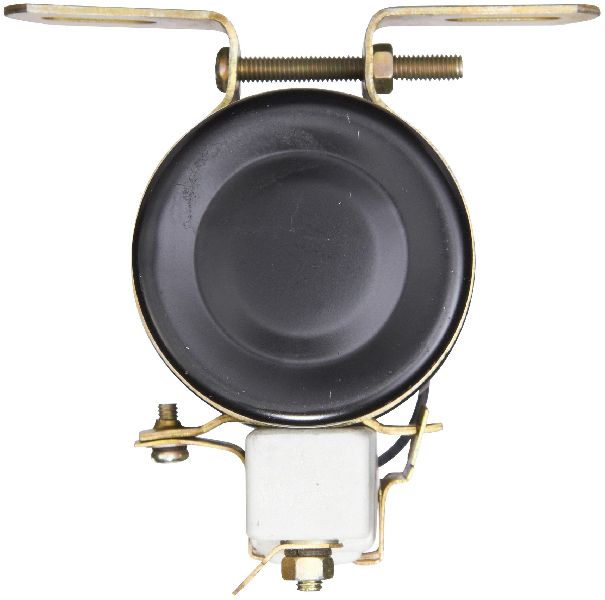
Some ignition systems of this era use an external ballast resistor. This is a small ceramic block near the coil. If your car has one, make sure the new coil you buy is compatible with it. Some coils have an internal resistor and do not require an external one. Check your service manual or the old coil's markings to be sure.
Cost of an Ignition Coil for a 1975-1979 Subaru GF
| Part Type | Estimated Cost |
|---|---|
| New Aftermarket Ignition Coil | $27.45 - $51.38 |
| Shop Labor for Installation | $50 - $100 |
Frequently Asked Questions
Can I replace the ignition coil myself?
Yes, absolutely. On a 1975-1979 Subaru GF, this is one of the easiest repairs you can do. The coil is usually mounted to the fender or engine block with a simple bracket. The job requires only basic hand tools and takes less than 30 minutes. Just be sure to disconnect the negative battery terminal first.
Are there any recalls or known issues for the Subaru GF ignition coil?
No. Searches of the National Highway Traffic Safety Administration (NHTSA) database and other records show no recalls or technical service bulletins (TSBs) for the ignition coil on the 1975-1979 Subaru GF.
Do I need a special 'high-performance' coil?
No. For a stock engine, a standard replacement coil from a quality brand like NGK or Standard Ignition is perfect. A high-performance coil will not provide a noticeable benefit on an otherwise standard engine and is not necessary for reliable operation.
What is the most common mistake when ordering this part?
The most common mistake is not checking if your system requires a coil for use with an external ballast resistor. If you use the wrong type of coil, it can either overheat and fail quickly or produce a weak spark. Always try to match the specifications of your old coil.
Technical Specifications
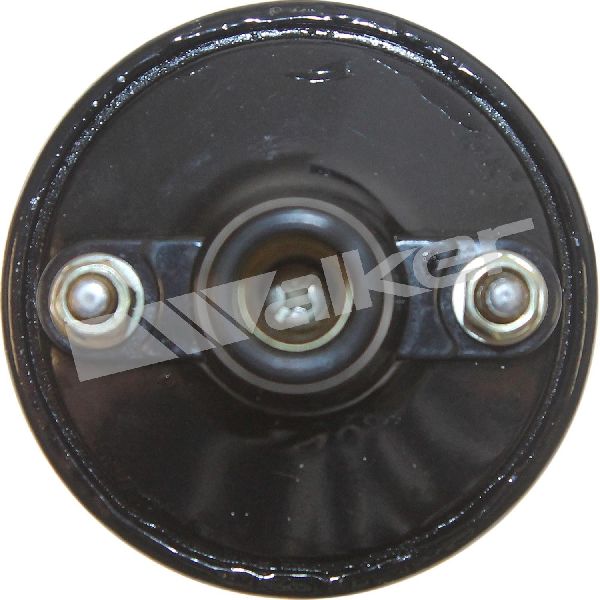
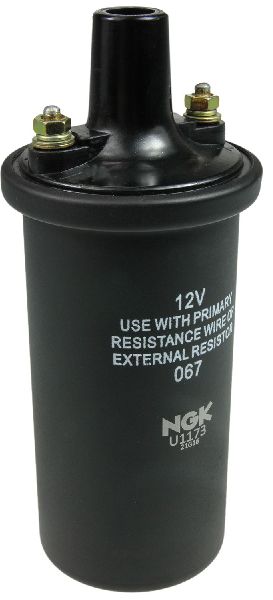
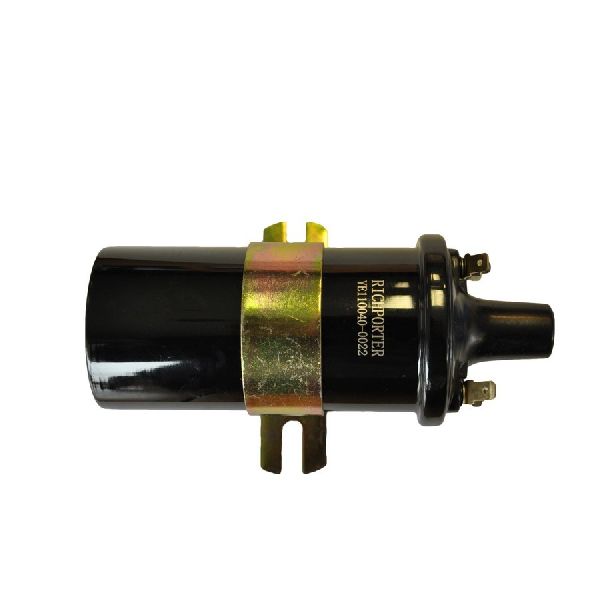
This vehicle uses a single, external, canister-style ignition coil designed for a conventional distributor-based ignition system. It may require compatibility with an external ballast resistor.
We Have This Part in Stock


The information in this article is provided for general reference and educational purposes only. Vehicle specifications, procedures, and part compatibility can vary by production date, trim level, and region. Always consult your vehicle's factory service manual and verify part numbers before purchasing or performing repairs. Safety-critical components such as airbags, seat belts, and braking systems should be installed by a qualified professional.