

Ford E-350 Econoline Engine Coolant Bypass Hose Guide (1975-1979)
Prevent overheating in your classic Ford van by understanding and replacing this critical cooling system hose.
- A failing bypass hose will cause coolant leaks and engine overheating, which can lead to severe engine damage.
- For this classic van, high-quality aftermarket brands like Gates, Dayco, and Continental are the standard for replacement.
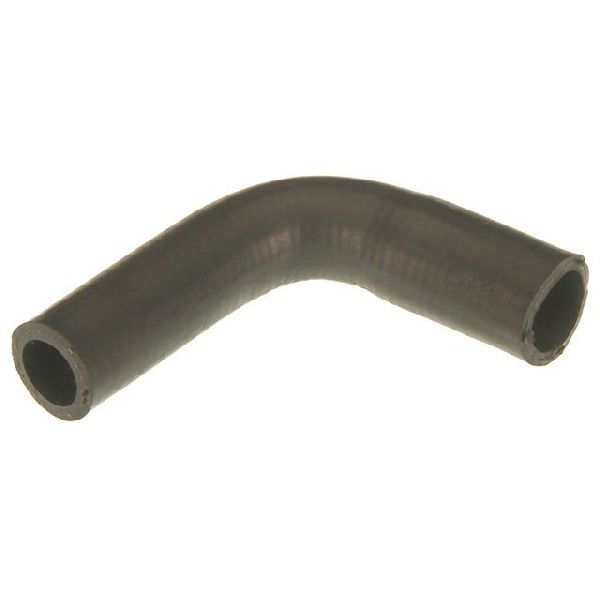
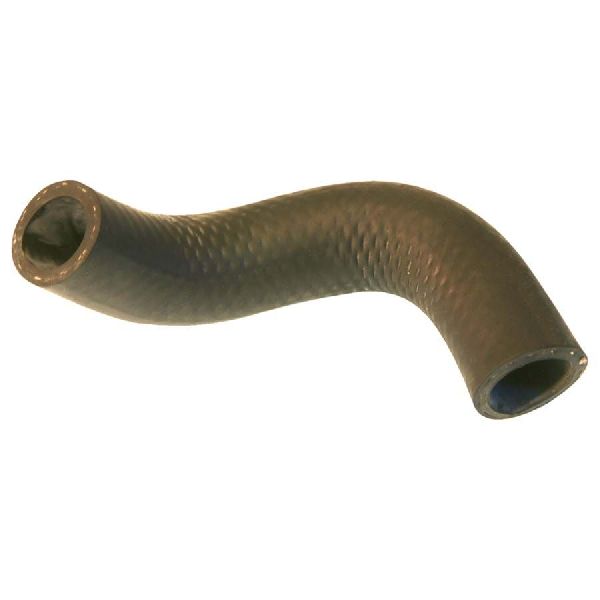
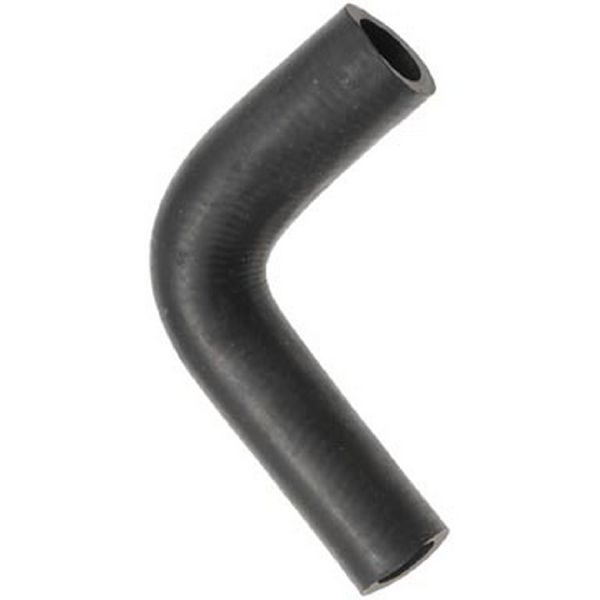
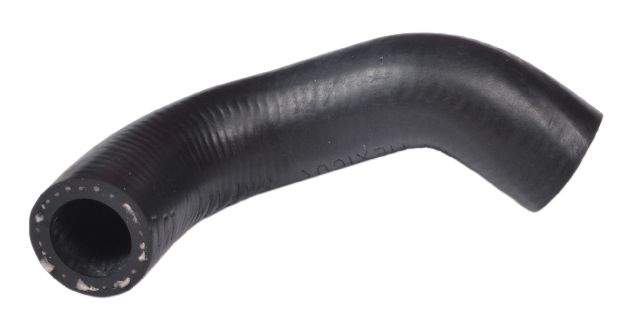
- Always use a 'molded' hose with the correct bends; a straight hose will kink and cause overheating.
- It is critical to replace the hose clamps at the same time as the hose to ensure a leak-free repair.
Symptoms of a Failing Coolant Bypass Hose
On a vintage van like the E-350, rubber hoses are a common failure point after decades of exposure to heat and pressure. A failing bypass hose is a serious threat to your engine's health. Watch for these clear warning signs:
- Coolant Leaks: This is the most common symptom. You may find puddles of green or yellow fluid under the front of your van. Sometimes, a small leak will only produce a crusty residue around the hose connections or a faint sweet smell before you see any liquid.
- Sweet Smell from Engine Bay: Antifreeze has a distinct sweet odor. If you smell this coming from your engine area, it's a definite sign of a coolant leak, even if it's a slow one that evaporates before it drips to the ground.
- Engine Overheating: If the bypass hose has a significant leak, the coolant level will drop and your temperature gauge will climb into the red. This is a critical situation. An overheating engine can suffer severe and permanent damage, like a blown head gasket, if not shut off immediately.
- Visible Hose Damage: When the engine is cool, open the engine cover (the "doghouse") and inspect the hoses. Look for cracks, splits, swelling, or soft, spongy spots. A hose that feels mushy or overly hard and brittle has lost its integrity and should be replaced immediately.
Warning: Do Not Drive With a Coolant Leak
A small leak can become a catastrophic failure without warning, leading to rapid coolant loss and severe engine damage from overheating. It is not safe to drive the vehicle if you suspect a coolant leak.
Choosing the Right Aftermarket Hose
For a classic 1975-1979 E-350, original equipment manufacturer (OEM) Ford hoses are virtually nonexistent. Fortunately, the aftermarket provides excellent, reliable options. Brands like Gates, Dayco, and Continental are all reputable manufacturers of cooling system parts.
| Brand | General Assessment |
|---|---|
| Gates | Often considered a top-tier choice in the aftermarket for hoses and belts. Known for good fitment and durable EPDM rubber construction that resists heat and degradation. |
| Dayco | A solid, reliable brand that produces quality hoses. Some users note they can be slightly thicker than other brands, which is neither a pro nor a con, but something to be aware of for clamp fitment. |
| Continental | Another high-quality manufacturer with a strong reputation. Continental (sometimes branded ContiTech) produces hoses that meet or exceed OEM specifications. |
Pro Tip: Always Use a Molded Hose
The bypass hose for your E-350 has specific, pre-formed bends to navigate around other engine components. Never use a generic straight or flexible hose. A universal hose will kink, which severely restricts coolant flow and will cause the engine to overheat.
Frequently Asked Questions
Can I drive my E-350 with a leaking bypass hose?
No. A coolant leak of any kind can quickly lead to major engine damage from overheating. It is not safe to drive until the leak is repaired.
What kind of coolant should I use in my 1975-1979 E-350?
For these model years, a conventional "green" ethylene glycol-based coolant is the correct type. Always mix it 50/50 with distilled water unless you are using a pre-mixed formula.
Should I replace the hose clamps at the same time?
Yes, absolutely. Old hose clamps can lose their tension over time and may not create a proper seal on the new hose, leading to leaks. It is highly recommended to use new clamps when installing a new hose.
Is replacing the bypass hose a good DIY job?
For someone with basic mechanical skills, yes. The process involves draining the coolant, accessing the hose (which can be tight in a van's engine bay), removing the clamps, swapping the hose, and then refilling and bleeding the cooling system. The main challenge is often just getting the old, stubborn hose off the fittings.
Are there any recalls for this part?
There are no specific recalls for the bypass hose on the 1975-1979 E-350. However, a 1988 recall for later model E-350s noted that hose failure could pose a fire risk if coolant sprayed on the hot exhaust, highlighting the importance of using quality replacement parts. General searches on the NHTSA website for a vehicle this old do not show relevant cooling system recalls.
Technical Specifications
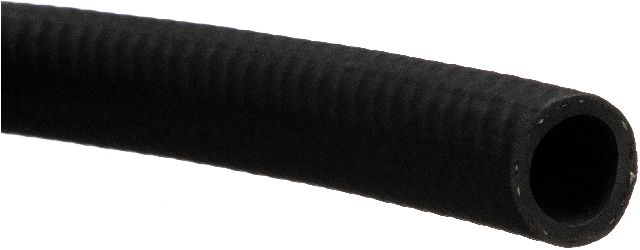
This is a molded rubber hose, specific to the engine and chassis configuration. It allows coolant to bypass the thermostat when it is closed. The required hose will vary based on the specific engine in your van (e.g., 5.8L, 7.5L). Always verify the fitment for your exact model.
We Have This Part in Stock

The information in this article is provided for general reference and educational purposes only. Vehicle specifications, procedures, and part compatibility can vary by production date, trim level, and region. Always consult your vehicle's factory service manual and verify part numbers before purchasing or performing repairs. Safety-critical components such as airbags, seat belts, and braking systems should be installed by a qualified professional.