

Spark Plug Guide for the 1975-1978 Ski-Doo Olympique 300T
Get the right spark and keep your vintage Olympique 300T running strong all winter.
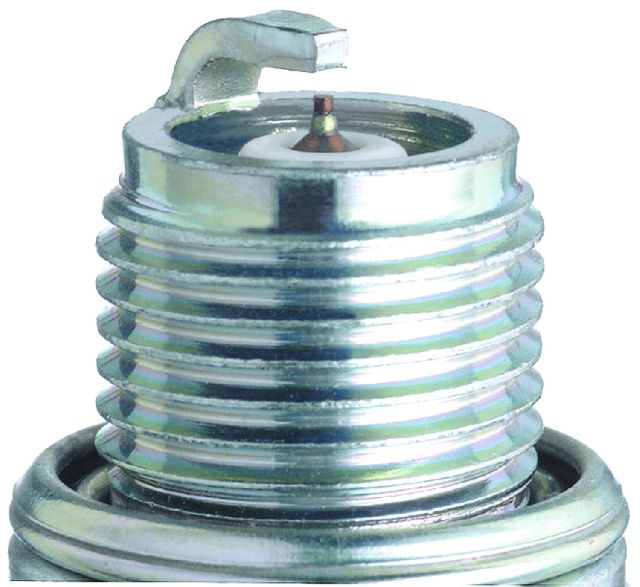
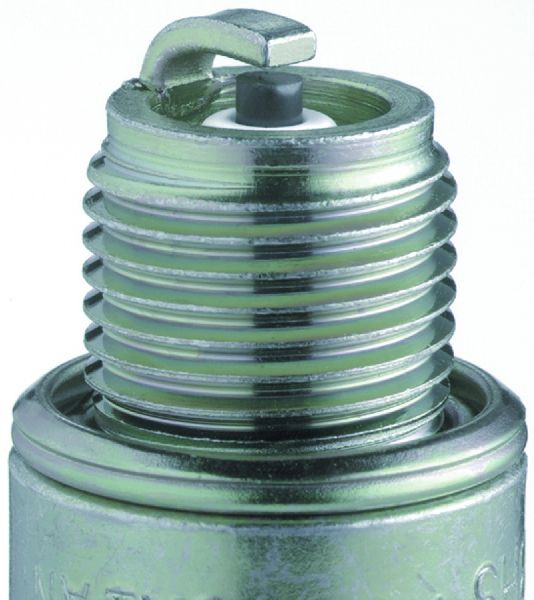
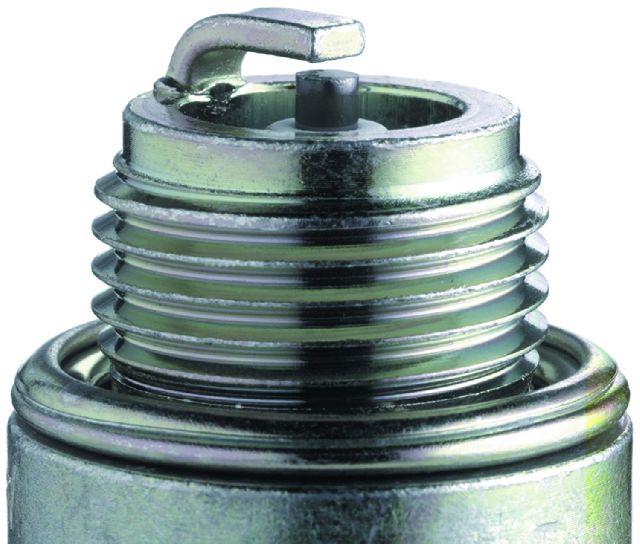
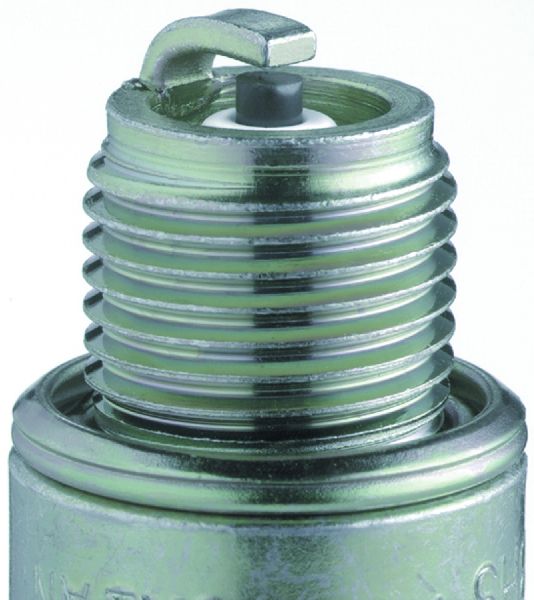
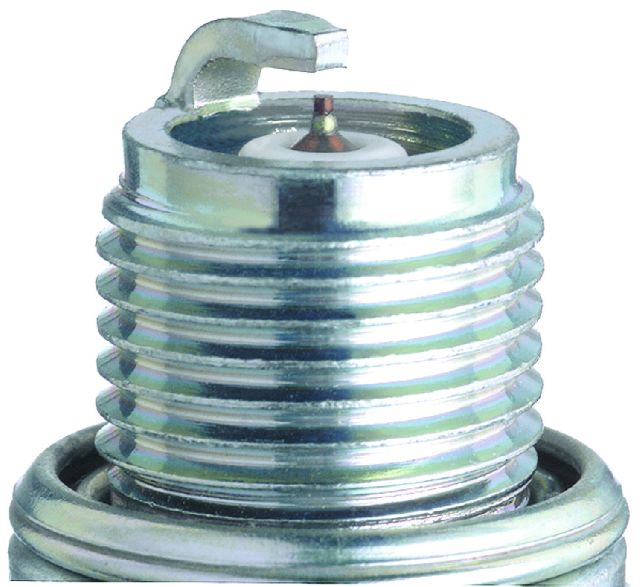
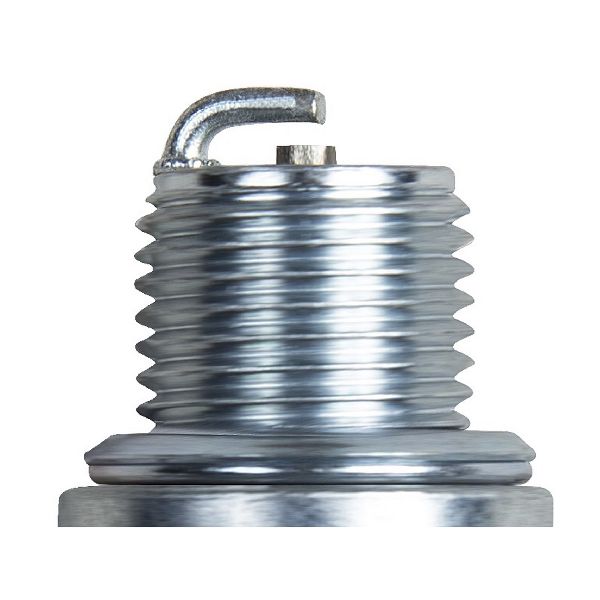
- The correct spark plugs are Champion L82C or NGK B7HS.
- Always check and set the spark plug gap to approximately 0.020" - 0.028" before installation.
- Due to the nature of two-stroke engines, plan to replace your spark plug at the beginning of each season for reliability.
- Always carry a spare plug and the necessary wrench with you when riding.
Symptoms of a Bad Spark Plug
A failing spark plug in your Olympique 300T will give you clear signs. Two-stroke engines are sensitive, and a bad plug can make your ride frustrating or leave you stranded. Look for these common symptoms:
- Hard Starting: If you're pulling the starter rope more than usual, a weak or fouled plug could be the culprit. The engine needs a strong, consistent spark to fire up, especially when cold.
- Rough Idle or Stalling: A worn or dirty plug can cause inconsistent firing, leading to a rough, sputtering idle. The engine may even stall when you're not on the throttle.
- Poor Acceleration and Power Loss: If your sled feels sluggish or bogs down when you hit the gas, the spark plug might not be firing efficiently under load. This robs you of power and makes the machine feel weak.
- Engine Misfires: You might hear popping or feel a jerking sensation while riding. This is a misfire, where the fuel and air mixture fails to ignite in the cylinder, often due to a faulty plug.
Reading Your Old Spark Plug
Before you throw out the old plug, take a look at its tip. The color and condition can tell you a lot about your engine's health. A plug with a light tan or coffee-colored tip means the engine is running well. A black, sooty plug suggests the engine is running too rich (too much fuel) or the plug's heat range is too cold. A white, blistered, or melted-looking tip indicates the engine is running too hot, which can cause serious damage.
Choosing the Right Aftermarket Spark Plug
For a vintage machine like the 1975-1978 Olympique 300T, the original "OEM" plugs were made by brands like Champion or NGK. Today's aftermarket plugs from these same brands are excellent replacements. The key isn't about a fancy, high-tech plug, but about getting the correct, reliable one. Both Champion and NGK are solid choices.
| Brand Tier | Brand / Model | Our Price Range | Notes |
|---|---|---|---|
| Standard Replacement | Champion L82C / NGK B7HS | $3.48 - $7.99 | These are the direct cross-reference plugs for your machine. They provide reliable performance and are the go-to choice for most owners. Many vintage sled enthusiasts have a preference, but both brands work well when new and correctly gapped. |
| Resistor Type (Optional) | NGK BR7HS | $4.49 - $9.99 | A resistor plug (indicated by the 'R') can help reduce radio frequency interference (RFI) that might affect any modern electronics you have nearby, though it's not a requirement for engine operation. Some owners prefer them to ensure a clean signal for any nearby devices. |
Pro Tip: Buy Spares
Two-stroke engines can foul plugs, especially if the carburetor isn't perfectly tuned. It's smart practice to always carry one or two new, pre-gapped spark plugs and a plug wrench with you on the trail. A five-minute plug change can be the difference between riding home and a long walk.
Frequently Asked Questions (FAQ)
What is the correct spark plug gap for my Olympique 300T?
The recommended spark plug gap is typically between 0.020" and 0.028". Always check the new plug's gap with a feeler gauge before installing it, as they can be knocked out of spec during shipping.
How often should I change the spark plug?
For a two-stroke engine, it's good practice to inspect the plug regularly and replace it at the start of every season or every 25 hours of use. Given their low cost, frequent changes are cheap insurance against being stranded.
Should I use Champion or NGK?
Both brands were original equipment suppliers for snowmobiles of this era and are excellent choices. Some mechanics and long-time riders have a personal preference, but either the Champion L82C or NGK B7HS will perform correctly in your machine. The most important thing is using the correct model number and gap.
Do I need to use anti-seize on the threads?
It's generally not necessary for modern plugs. Brands like NGK use a special trivalent plating on the threads that acts as its own anti-seize and corrosion inhibitor. If you do use anti-seize compound, be sure to reduce the tightening torque by about 20% to avoid overtightening and damaging the cylinder head.
Technical Specifications
OEM Part Numbers: Champion L82C NGK B7HS
Thread Size: 18mm, Hex Size: 13/16" (20.6mm), Reach: 3/8" or 9.5mm, Gap: 0.020" - 0.028"
We Have This Part in Stock

The information in this article is provided for general reference and educational purposes only. Vehicle specifications, procedures, and part compatibility can vary by production date, trim level, and region. Always consult your vehicle's factory service manual and verify part numbers before purchasing or performing repairs. Safety-critical components such as airbags, seat belts, and braking systems should be installed by a qualified professional.