

Choosing the Right Alternator for Your 1975-1978 GMC P15
Keep your workhorse P15 van charging correctly and avoid getting stranded.
- Symptoms include dimming lights, a weak battery, whining noises, and a 'GEN' light on the dash.
- Before replacing, check your battery's health and all charging system wire connections.
- Upgrading from the stock 10si alternator to a 12si model is a direct-fit, reliable improvement.
- For best results, choose a new aftermarket unit over a remanufactured one to avoid premature failure.
Is Your P15's Alternator Failing?
The simple electrical system in a vintage GMC P15 means the signs of a bad alternator are usually obvious. Don't ignore them. If you notice these symptoms, it's time to check your charging system.
- Dimming or Flickering Lights: Headlights and dash lights that dim at idle and brighten when you rev the engine are a classic sign. This means the alternator isn't making enough power at low engine speeds.
- Weak or Dead Battery: If the alternator isn't charging, your battery will not be replenished. You might find the van is hard to start or the battery is dead, even after a long drive.
- Whining or Grinding Noises: A high-pitched whine or a grinding sound from the engine bay can signal failing bearings inside the alternator. A squealing noise, especially when you turn on headlights or the heater, can mean the belt is slipping or the alternator is working too hard due to an internal fault.
- "GEN" or Battery Warning Light: The battery warning light on your dashboard is a direct signal of a charging system problem. It means the alternator's output voltage is too low.
Choosing the Right Aftermarket Alternator
For a vehicle from the 1970s, finding a new Original Equipment (OEM) alternator is not a realistic option. The good news is that the aftermarket provides excellent choices that often perform better than the original part.
Stock vs. Upgraded: The 10si and 12si
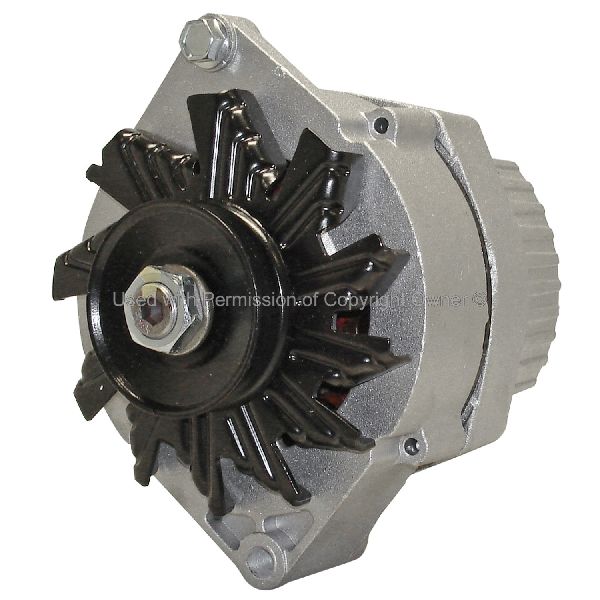
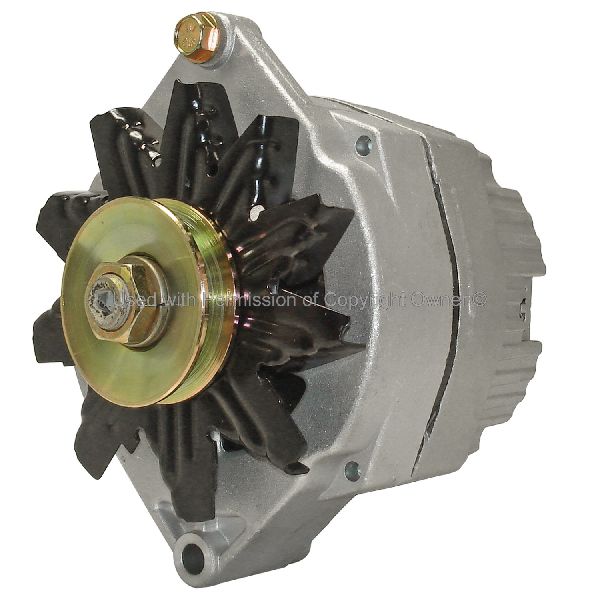
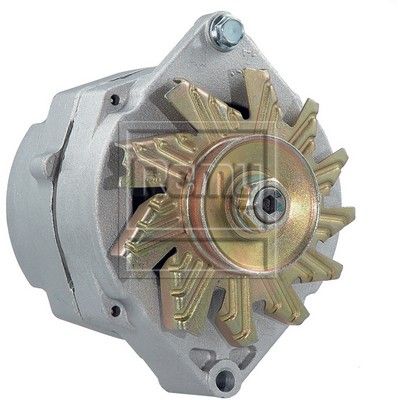
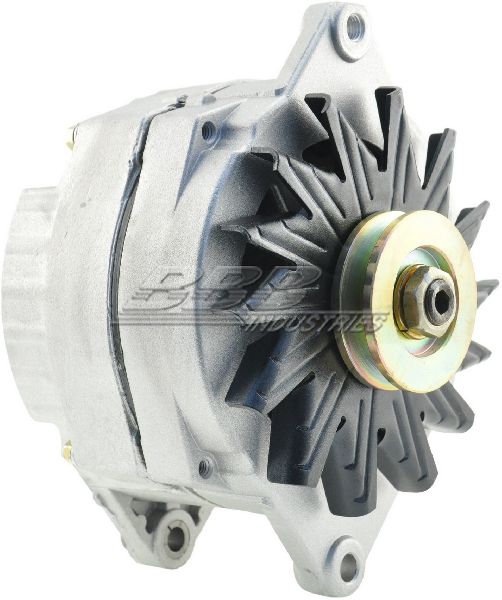
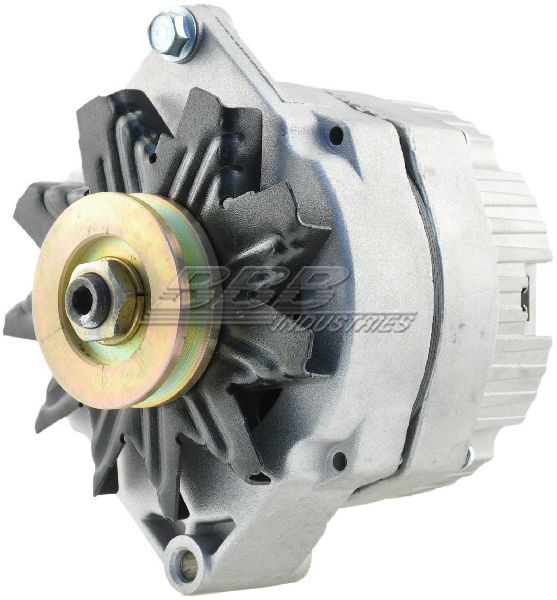
Most 1970s GM trucks, including the P15, came with a Delco 10si series alternator, which typically produced around 63 amps. A popular and highly recommended upgrade is to the Delco 12si model. The 12si looks nearly identical and bolts in the same way, but it has better internal cooling. This allows it to produce more power, especially at idle, which is a great benefit for a vehicle that may be used for deliveries with lots of stopping.
New vs. Remanufactured Aftermarket Parts
Your main choice will be between a new aftermarket part and a remanufactured one. While remanufactured parts can be cheaper, their quality can be inconsistent. Forum discussions often highlight premature failures with mass-market remanufactured units, particularly with bearings. Given the critical role of the alternator, choosing a new aftermarket unit from a reputable brand is often the more reliable long-term solution.
Aftermarket Brand Quality
| Brand Tier | Brands | Notes |
|---|---|---|
| Good (New Units) | BBB Industries, MPA, Remy, WAI Global | These brands are major suppliers of new aftermarket parts. While individual reviews are mixed across all brands, a new unit generally offers better reliability than a remanufactured one. Failures are still possible, but less frequent than with remanufactured options. |
| Economy (Remanufactured) | BBB Industries, MPA, Remy, WAI Global | Remanufactured units from these same brands are available at a lower cost. However, they have a higher reported rate of early failure, such as bad bearings or inconsistent output. Consider this option only if budget is the primary concern and you are aware of the potential for a shorter lifespan. |
Pro Tip: Before you replace the alternator, make sure your battery is fully charged and have it load tested at an auto parts store. Clean your battery terminals and check the engine ground strap. A loose or corroded wire can cause the same symptoms as a bad alternator and will prevent a new one from working correctly.
Frequently Asked Questions (FAQ)
Do I need a high-output alternator?
For a stock P15, a standard 63-amp or upgraded 78-amp 12si alternator is plenty. You only need a high-output alternator (100+ amps) if you have added significant electrical loads like a powerful modern stereo, a power inverter, or extra lighting.
Is replacing the alternator a DIY job?
Yes, for most owners. The alternator on these old GMC vans is usually on top of the engine and easy to access. It's typically held on by two bolts and has a simple wiring connection. With basic hand tools, most people can do the job in about an hour.
What is the difference between a 10si and 12si alternator?
The 12si was the successor to the 10si. They look very similar and are interchangeable, but the 12si has a more open case and better cooling fan. This allows it to produce more amperage, especially at idle, making it a simple and effective upgrade.
Are there any recalls for the 1975-1978 GMC P15 alternator?
No. There are no active recalls or technical service bulletins (TSBs) from the NHTSA or GMC for the alternator on the 1975-1978 P15. Any failures are due to the age and normal wear of the part.
Technical Specifications
The original alternator is typically a Delco 10si, externally regulated, with an output around 63 amps. A common upgrade is the Delco 12si, which is a direct fit with improved cooling and higher amperage output (78-94 amps).
We Have This Part in Stock

The information in this article is provided for general reference and educational purposes only. Vehicle specifications, procedures, and part compatibility can vary by production date, trim level, and region. Always consult your vehicle's factory service manual and verify part numbers before purchasing or performing repairs. Safety-critical components such as airbags, seat belts, and braking systems should be installed by a qualified professional.