

1975-1978 GMC P15 A/C System Valve Core and Cap Kit Guide
Dealing with a weak A/C? The fix for your P15 step van might be simpler and cheaper than you think.
- A leaking A/C valve core is a very common and inexpensive part failure that causes poor A/C performance.
- You MUST know if your P15's A/C system uses the original R-12 refrigerant or has been converted to R-134a before buying parts.
- Due to environmental regulations and the need for specialized equipment, this repair should be done by a professional A/C shop.
- Always replace the service port caps, as they provide a crucial secondary seal.
Is Your P15's A/C Losing Its Cool? Check the Valve Cores.
If the air conditioning in your 1975-1978 GMC P15 isn't blowing as cold as it used to, you might have a refrigerant leak. Before assuming the worst, like a bad compressor, it's worth checking the most common and cheapest-to-fix leak points: the A/C service port valve cores. These tiny valves are a frequent source of slow leaks that cause your A/C performance to degrade over a few weeks or months. Over decades of use, the rubber seals inside these valves dry out, crack, and fail.
The R-12 vs. R-134a Issue
Your 1975-1978 GMC P15's A/C system was originally designed for R-12 refrigerant (Freon). Many of these older systems have been converted to use modern R-134a refrigerant. This is the single most important thing to know before buying parts. R-12 and R-134a systems use different valve cores and seals. You must buy a kit that is compatible with the type of refrigerant currently in your van. If you don't know, consult a professional A/C technician.
Symptoms of a Leaking A/C Valve Core
- A/C Performance Slowly Fades: The most common symptom is a gradual loss of cooling ability. You may need to add a little refrigerant every few weeks to keep it cold.
- Hissing Sound from Service Port: When you remove the plastic or metal cap from the A/C service port, you might hear a brief hiss. This is a sure sign the valve core is leaking.
- Oily, Dirty Residue: Refrigerant carries a special oil through the system. A leak at the valve core will leave behind an oily residue that attracts dirt and grime around the service port.
- Visible Bubbles with Soapy Water: You can test for a leak by spraying a soapy water solution on the valve (with the cap off). If bubbles form, the valve is leaking.
Choosing the Right Aftermarket Kit
For a vehicle of this age, new original equipment (OEM) parts are no longer produced. You will be buying a new aftermarket kit. For a simple part like a valve core and cap, brand choice is less critical than for a complex part like a compressor.
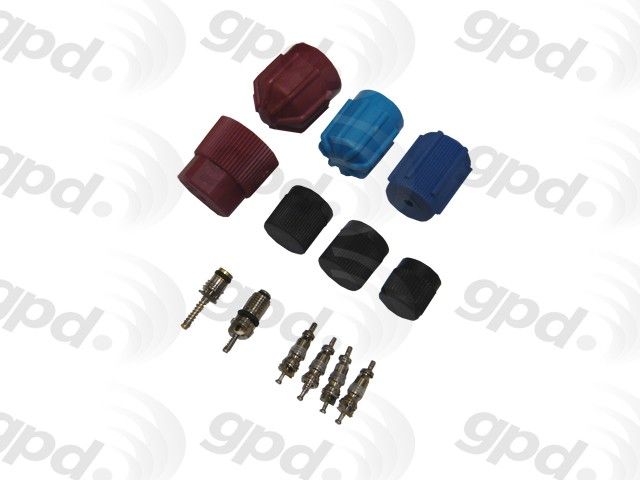
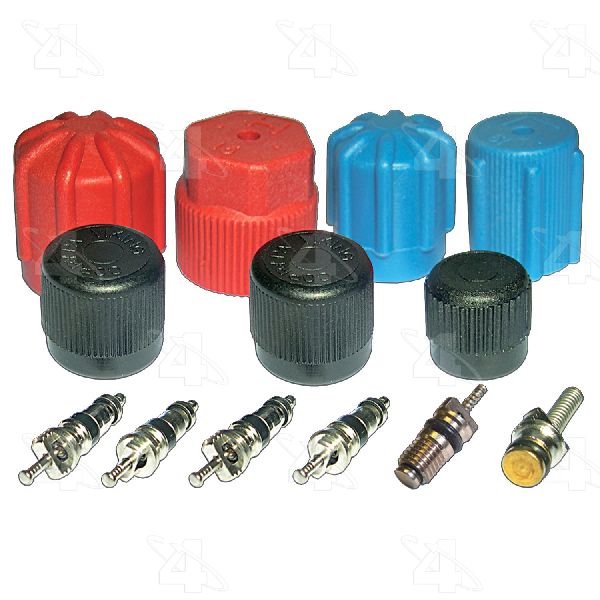
- Brand Tier: Standard Aftermarket (Four Seasons, Global Parts): Both Four Seasons and Global Parts are well-known suppliers in the A/C industry. For a basic component like a valve core kit, products from either brand are a reliable and affordable choice. The most important factor is ensuring the kit is specified for your refrigerant type (R-12 or R-134a).
Pro Tip: Always Replace the Caps
Never run your system without the service port caps. Many people think they are just dust covers, but they are a critical secondary seal that helps prevent refrigerant loss and keeps contaminants out of the valve core. If you lose a cap, replace it immediately.
| Part Type | Estimated Cost |
|---|---|
| New Aftermarket (Four Seasons, Global Parts) | $8 - $23 |
| Shop Labor for Installation (Evacuate & Recharge) | $120 - $250 |
Frequently Asked Questions (FAQ)
Can I replace the A/C valve core myself?
While you can buy a special tool to remove the core without evacuating the system, it is risky and often results in losing the entire refrigerant charge. The correct and legal procedure is to have a certified shop recover the refrigerant, replace the cores, vacuum the system to remove moisture, and then recharge it with the precise amount of refrigerant and oil. Releasing refrigerant into the atmosphere is illegal and harmful to the environment.
Is there a recall for the A/C system on the 1975-1978 GMC P15?
No. A search of the National Highway Traffic Safety Administration (NHTSA) database shows no recalls for the A/C system or its components on the 1975-1978 GMC P15. Any failures today are due to the age and normal wear of the parts.
How do I know if my P15 has been converted from R-12 to R-134a?
Look for a sticker under the hood that says it has been retrofitted. Also, the service ports themselves are different. R-134a service ports are larger and have quick-connect fittings, whereas R-12 ports are smaller and threaded. If you're unsure, a mechanic can identify it instantly.
Should I replace both valve cores at the same time?
Yes. The A/C system has both a high-pressure and a low-pressure service port. If one valve core has failed due to age, the other is likely not far behind. Since the main cost of the job is the labor to evacuate and recharge the system, it is smart and cost-effective to replace both cores at the same time.
Technical Specifications
Compatibility with refrigerant type (R-12 or R-134a) is the most critical specification.
We Have This Part in Stock

The information in this article is provided for general reference and educational purposes only. Vehicle specifications, procedures, and part compatibility can vary by production date, trim level, and region. Always consult your vehicle's factory service manual and verify part numbers before purchasing or performing repairs. Safety-critical components such as airbags, seat belts, and braking systems should be installed by a qualified professional.