

GMC K25 Automatic Transmission Mount: An Owner's Replacement Guide (1975-1978)
Stop the clunks and vibrations in your classic GMC K25 by choosing the right new transmission mount.
- A loud clunk when shifting into gear is the most common sign of a failed transmission mount.
- For most owners, a standard rubber mount from a brand like Pioneer offers the best balance of quality and a smooth ride.
- If you tow or have a high-performance engine, a polyurethane mount from Prothane is a durable upgrade but will increase cabin vibration.
- Replacement is a straightforward DIY job that requires basic tools and a floor jack to support the transmission.
Is Your K25's Transmission Mount Failing?
After decades of use, the original rubber on your transmission mount has likely seen better days. Heat, oil, and stress cause the rubber to crack, collapse, or tear. When this happens, the transmission is no longer held securely, leading to a number of problems you can feel and hear. Ignoring these signs can put extra stress on your engine mounts, driveshaft, and U-joints.
Key Failure Symptoms:
- Clunking or Banging Noises: A loud "clunk" when you shift from Park into Drive or Reverse is a classic sign. You might also hear banging when you accelerate or brake hard. This is the sound of the transmission moving too much and hitting other parts.
- Excessive Vibration: If the rubber has failed, it can no longer absorb vibrations. You'll feel a new or worsening vibration through the floor, seat, or steering wheel, especially when idling in gear or accelerating.
- Shifting Problems: A bad mount can let the transmission sag, affecting the alignment of the shift linkage. This can make shifting difficult or cause the transmission to pop out of gear.
- Visible Movement: A quick visual check can often confirm the problem. With the help of a friend, you can look at the mount while the truck is shifted between Drive and Reverse (with the parking brake on and wheels chocked). If you see the transmission lift or move excessively, the mount is bad.
Choosing the Right Aftermarket Mount
Since OEM parts for a vehicle this old are generally not available, the aftermarket is your only option. You have two main choices: standard rubber replacements or performance-oriented polyurethane mounts. For a stock 1975-1978 GMC K25 used for daily driving or light hauling, a quality rubber mount is usually the best choice for a smooth, quiet ride.
Aftermarket Brand Tiers for GMC K25
| Tier | Brands | Description & Notes |
|---|---|---|
| Good (Standard Replacement) | Anchor, Pioneer Cable | These brands offer affordable, standard rubber mounts that are a direct replacement for the original. Pioneer is often considered a higher-quality option compared to other budget brands. Anchor is a common, budget-friendly choice, but some users report inconsistent quality. For a stock truck, these are perfectly acceptable. |
| Budget Tier | Westar, DEA Strut | These are typically the lowest-cost options. While they will work, many mechanics and users in forums report lower quality control and shorter lifespans compared to other brands. Consider these if budget is the absolute primary concern. |
| Performance (Polyurethane) | Prothane, Daystar | Polyurethane is a much harder material than rubber. These mounts are extremely durable and resistant to oil and chemicals. They are excellent for performance, off-road, or heavy-duty applications because they control torque very well. The downside is that they transmit more vibration into the cabin, leading to a harsher ride. Prothane is a well-regarded brand in this category. |
Frequently Asked Questions (FAQ)
Is a polyurethane mount better than a rubber one for my truck?
It depends on how you use your K25. If it's a work truck that tows heavy loads or if you have a modified high-horsepower engine, a polyurethane mount from a brand like Prothane or Daystar is a great upgrade for durability and performance. However, for a daily driver where comfort is important, a standard rubber mount is better because it will absorb more vibration and keep the ride smooth.
Do I need any special tools to replace the transmission mount?
No, the job can be done with basic hand tools. You will need a floor jack and a piece of wood to support the transmission, along with a socket set and wrenches. Penetrating oil is highly recommended to loosen the old bolts, which can be rusted in place.
My truck is a 4x4. Is the mount different?
Yes, the transmission mount setup can be different between two-wheel drive and four-wheel drive models. The 4x4 K25 models have a transfer case attached to the transmission, and the mount design accommodates this. Always confirm that the part you are buying is specified for your 4WD truck. For example, Prothane's 7-1601 mount is specifically listed for 4WD GM K-series trucks from this era.
Are there any recalls on the transmission mount for the 1975-1978 GMC K25?
No specific recalls for the transmission mount on the 1975-1978 GMC K25 were found in NHTSA records. While GM had a major recall for defective motor mounts in 1971 that could cause unintended acceleration, this did not cover transmission mounts for this specific year range.
Technical Specifications
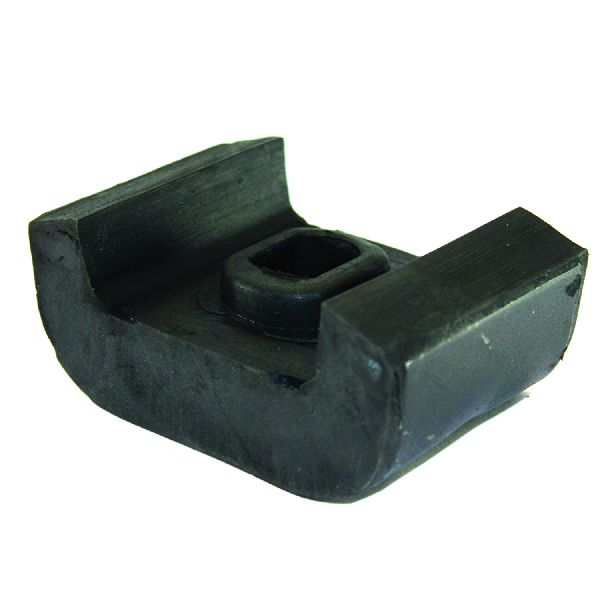
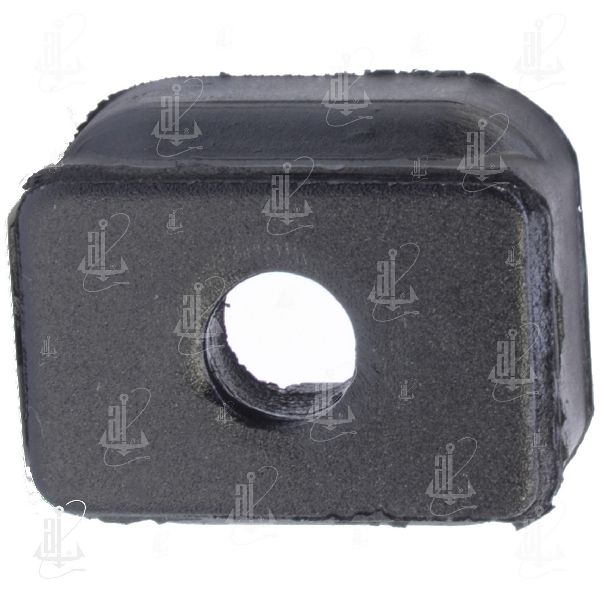
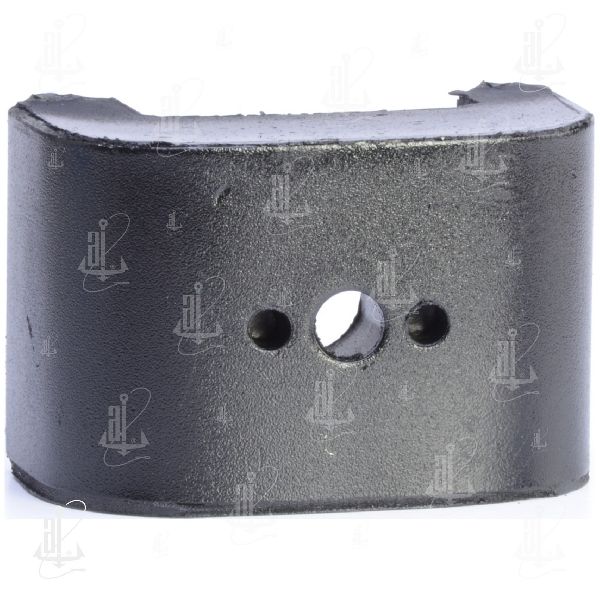
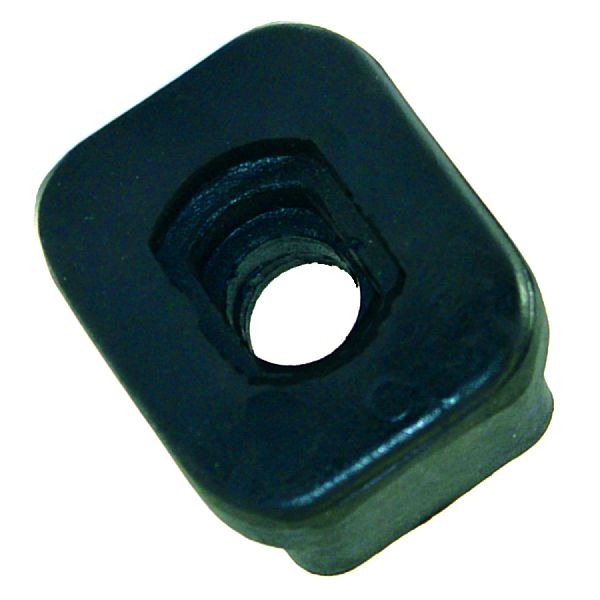
The primary design is a single-stud mount that bolts to the transmission crossmember. The key difference in parts is the material: standard vulcanized rubber for OE-style replacements or polyurethane for performance applications. 4WD models may use a different mount design than 2WD models.
We Have This Part in Stock


The information in this article is provided for general reference and educational purposes only. Vehicle specifications, procedures, and part compatibility can vary by production date, trim level, and region. Always consult your vehicle's factory service manual and verify part numbers before purchasing or performing repairs. Safety-critical components such as airbags, seat belts, and braking systems should be installed by a qualified professional.