

A Guide to Universal Joints for the 1975-1978 GMC K15 Suburban
Fixing that clunk or vibration from your driveline starts with choosing the right U-joint.
- Prioritize Dana/Spicer brand U-joints for the best quality and longevity.
- If your truck has its original U-joints, you will need a torch to melt out the factory plastic retainers.
- A bad U-joint can cause vibrations, clunking noises, and squeaking; ignoring these can lead to a dangerous driveshaft failure.
- Measure your old U-joints before ordering replacements to ensure you get the correct size for your specific driveshaft.
Is Your Suburban's U-Joint Failing?
A bad U-joint gives clear warning signs. Ignoring them can lead to the driveshaft coming loose, which can cause major damage and leave you stranded. Listen and feel for these common symptoms.
Common Failure Symptoms
- Clunking Noise: A loud "clunk" or "bang" when you shift from Park into Drive or Reverse is a classic sign of a worn U-joint with too much play.
- Vibrations: A vibration that you can feel through the whole truck and gets worse with speed is a common symptom. This is often mistaken for a tire balance issue, but if balancing doesn't fix it, the U-joints are a likely cause.
- Squeaking Sound: A rhythmic squeaking that matches the rotation of your wheels, especially at low speeds (under 10 mph), points to a dry, failing U-joint. The sound may disappear at higher speeds as it gets drowned out by other noises.
- Visible Rust or Damage: Look under your truck at the driveshafts. If you see rust-colored dust around the U-joint caps or signs of grease leaking out, the joint is failing.
Choosing the Right Aftermarket U-Joint
For a classic truck like a '75-'78 K15 Suburban, original equipment (OEM) parts are generally not available. Aftermarket parts are the go-to solution, and modern options are often built to high standards. The main choice you will face is between premium, heavy-duty brands and standard replacement brands.
Brand Quality Tiers
Based on owner experiences and mechanic recommendations, aftermarket U-joints for these trucks fall into a few categories:
- Premium (OEM Quality or Better): Dana/Spicer is widely considered the top choice, often used as the original equipment manufacturer for many trucks. They are known for durability and are a go-to for mechanics and experienced owners. Yukon Gear is another premium brand, often chosen for heavy-duty or off-road applications where strength is the top priority.
- Standard (Good Quality Aftermarket): Moog is a well-known brand, but recent opinions are mixed. While some have had good experiences, others report a decline in quality. It can be a reliable choice, but many now prefer Spicer.
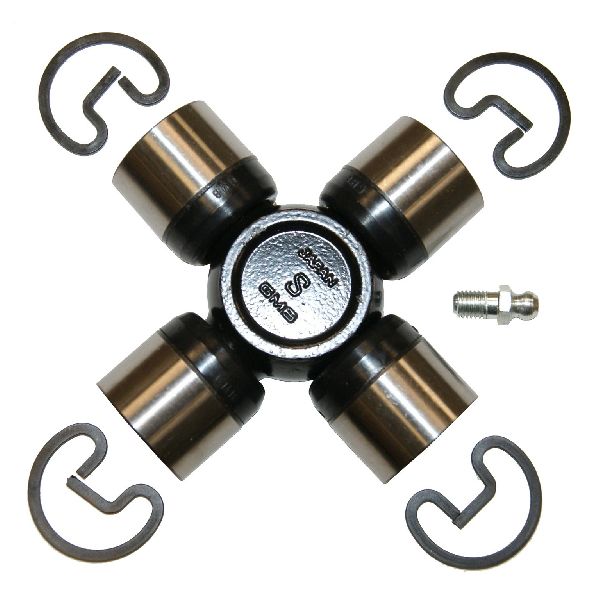
- Economy (Budget-Focused): GMB and other store brands are available at a lower price point. While they will work, forum discussions suggest they may not have the same longevity as premium brands, especially under heavy use or towing.
Pro Tip: Greasable vs. Non-Greasable
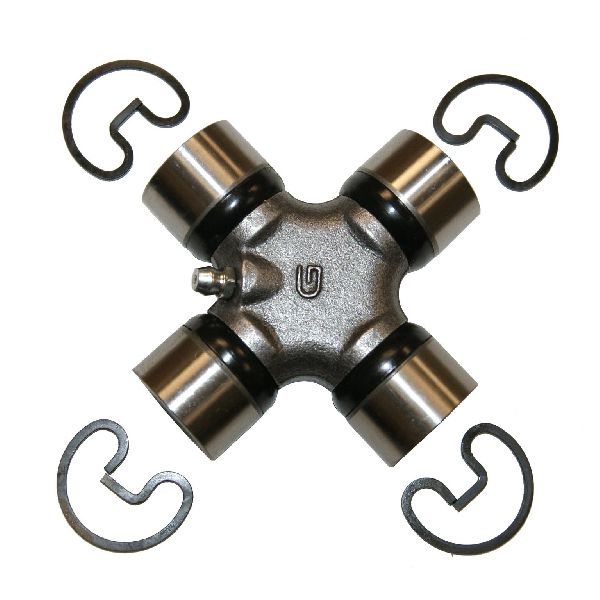
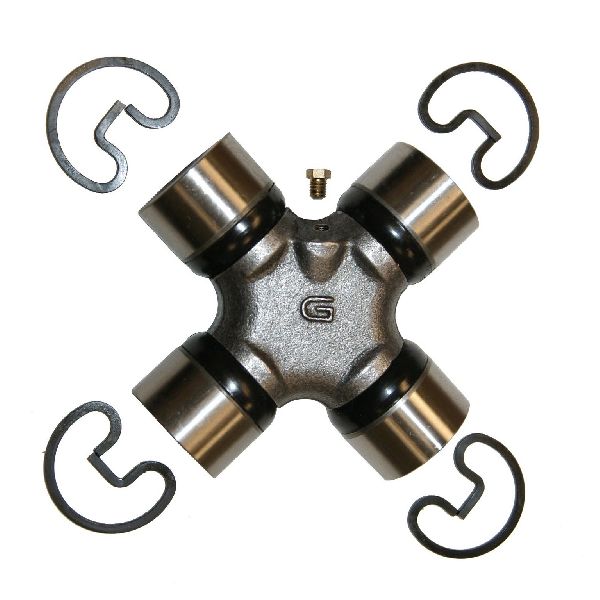
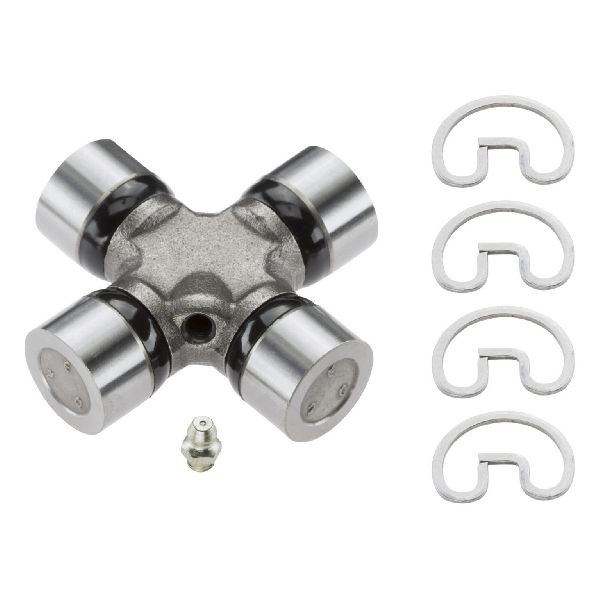
You will see options for U-joints with grease fittings (zerks) and sealed, non-greasable units. Non-greasable (sealed) joints are what the factory originally used and are often considered stronger because the cross is solid metal. Greasable joints can last a very long time but require regular maintenance. If you choose greasable joints, make sure the grease fitting is installed where you can easily reach it with a grease gun.
How Much Does a U-Joint Replacement Cost?
The cost depends on whether you do the work yourself or hire a shop. The parts themselves are relatively inexpensive.
| Item | Estimated Cost |
|---|---|
| New Aftermarket Universal Joint | $18.53 - $237.75 |
| Shop Labor | $200 - $450 |
| Total Professional Replacement | $220 - $688 |
A Note on Original GM U-Joints
If you are replacing the original U-joints from the factory, be aware that they were often installed with injected nylon retainers instead of snap rings. To remove these, the driveshaft yoke must be heated with a torch to melt the plastic, which will ooze out. This makes the job more difficult than replacing a joint that has already been changed once.
Frequently Asked Questions
How many U-joints does my 1975-1978 K15 Suburban have?
Your K15 Suburban has a complex driveline. It typically has a total of seven U-joints: two on the rear driveshaft, three on the front driveshaft (including a double-cardan joint at the transfer case), and two in the front axle shafts (one for each side). When one fails, it's wise to inspect all of them.
Can I replace a U-joint myself?
Yes, this is a common DIY job for those with mechanical experience. However, it requires specific tools. While some do it with a hammer and sockets, using a bench vise or a ball joint press is highly recommended to avoid damaging the driveshaft or the new joint. If the original joints are still in place, you will also need a torch.
Should I replace all the U-joints at once?
If one U-joint has failed due to age and mileage, the others are likely in similar condition. It is a good practice to replace them all at the same time, especially the ones on the same driveshaft. This can save you from having to do the same job again in the near future.
What are common mistakes when ordering?
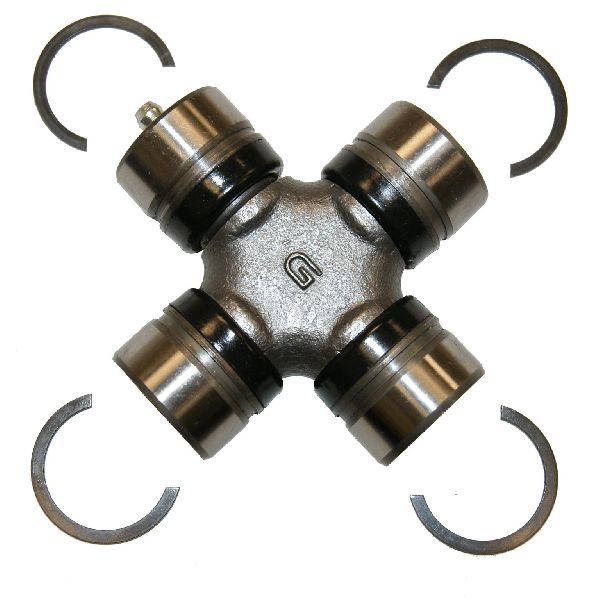
These trucks could come with different U-joint sizes (e.g., 1310 or 1350 series) and different retainer styles (inside or outside clips). The only sure way to know what you have is to remove the old joint and measure the cap diameter and width. Taking the old part to the store or having precise measurements before ordering online will prevent getting the wrong part.
Technical Specifications
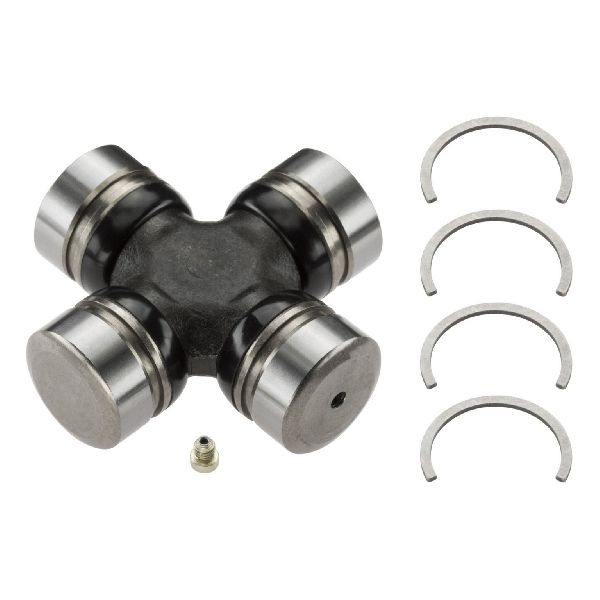
Common U-joint series for these trucks include 1310, 1330, and S44. Sizes can vary based on the specific driveshaft (front/rear) and axle configuration. Measurement of the original part is the most reliable way to ensure a match. Some original joints were retained with injected nylon, while all aftermarket replacements use internal or external snap rings.
We Have This Part in Stock

The information in this article is provided for general reference and educational purposes only. Vehicle specifications, procedures, and part compatibility can vary by production date, trim level, and region. Always consult your vehicle's factory service manual and verify part numbers before purchasing or performing repairs. Safety-critical components such as airbags, seat belts, and braking systems should be installed by a qualified professional.