

1975-1978 GMC K15 Brake Light Switch Function, Symptoms, and Replacement
Solve common brake light problems and keep your classic K15 safe and road-legal.
- A bad brake light switch is a critical safety failure; do not drive the truck if your brake lights are not working correctly.
- The most common symptoms are brake lights that don't work at all or brake lights that stay on and drain the battery.
- Replacement is an easy DIY job located on the brake pedal arm, but always check the fuse first.
- Aftermarket brands like Standard Ignition offer a reliable, quality replacement for this simple part.
Signs of a Failing Brake Light Switch
After decades of use, the original brake light switch in your K15 can wear out. The plastic can become brittle and the internal contacts can fail. This leads to a few common, and serious, symptoms. Ignoring a bad brake light switch is a major safety hazard and can get you a traffic ticket.
- Brake Lights Don't Work: The most dangerous symptom is when your brake lights fail to illuminate when you press the pedal. The switch is no longer completing the electrical circuit.
- Brake Lights Stay On: If the switch fails in the 'on' position or the plunger breaks, your brake lights may stay on even when you're not braking. This can confuse other drivers and will drain your truck's battery.
- Flickering Brake Lights: Intermittent function, where the lights flicker or only work sometimes, points to a worn-out switch with a poor internal connection.
Choosing the Right Aftermarket Brake Light Switch
For a vintage truck like the 1975-1978 K15, new original equipment (OEM) parts are generally not available. The aftermarket offers reliable and affordable solutions that meet the needs of these simple electrical systems.
Your choice often comes down to a balance of brand reputation and price:
- Tier 1: Reputable Aftermarket (Standard Ignition): Brands like Standard Motor Products (SMP) are well-known in the industry for producing quality replacement parts that meet or exceed original specifications. They are a trusted choice for reliability and proper fit, making them ideal for a daily driver or a high-quality restoration.
- Tier 2: Economy Brands (Skyward): Economy-level brands offer a functional replacement at the lowest price point. While there is limited specific review data for brands like Skyward, they can be a suitable option for a budget-conscious repair or for a truck that sees infrequent use. The main trade-off may be in long-term durability compared to more established brands.
| Brand Tier | Example Brands | Price Range |
|---|---|---|
| Reputable Aftermarket | Standard Ignition | $10 - $30 |
| Economy Aftermarket | Skyward | $5 - $15 |
Frequently Asked Questions (FAQ)
Where is the brake light switch located on a 1975-1978 GMC K15?
The brake light switch is located under the driver's side dashboard, mounted on a bracket attached to the brake pedal support. You can see it by looking up at the arm of the brake pedal.
Can I replace the brake light switch myself?
Yes, this is a very DIY-friendly job. It requires basic hand tools and no special skills. The most difficult part is the uncomfortable position required to work under the dashboard.
Do I need to adjust the new brake light switch?
Yes, some adjustment is usually necessary. The switch must be positioned so that the brake lights are off when the pedal is fully released, but come on as soon as the pedal is pressed. Improper adjustment can cause the lights to stay on or not come on soon enough.
Could my turn signals cause brake light problems?
Yes, on these GM trucks, the brake light power runs through the turn signal switch in the steering column. A faulty turn signal switch can sometimes interrupt the power to the brake lights, causing them not to work even if the brake light switch is good.
Technical Specifications
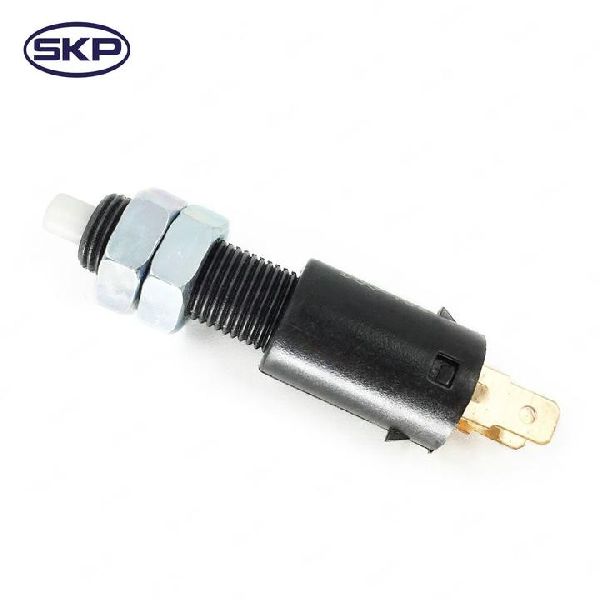
Typically a 2-terminal mechanical plunger switch. Models with cruise control may have additional terminals.
We Have This Part in Stock


The information in this article is provided for general reference and educational purposes only. Vehicle specifications, procedures, and part compatibility can vary by production date, trim level, and region. Always consult your vehicle's factory service manual and verify part numbers before purchasing or performing repairs. Safety-critical components such as airbags, seat belts, and braking systems should be installed by a qualified professional.