

GMC G25 (1975-1978) Engine Oil Pressure Switch & Sending Unit Guide
Is your oil pressure gauge acting up? Here’s what owners of 1975-1978 GMC G25 vans need to know.
- A bad oil pressure switch on a 1975-1978 G25 will usually cause an erratic or zeroed-out gauge reading.
- Always verify a low pressure warning by checking the oil level and listening for engine noises before assuming the switch is bad.
- Replacement is a simple, low-cost DIY job that most owners can do in under an hour with a special socket.
- Trusted aftermarket brands like Standard Ignition are a reliable choice for this part.
Is Your Oil Pressure Gauge Acting Strange?
For a 1975-1978 GMC G25, the oil pressure gauge is a direct line of sight into your engine's health. When the sending unit (another name for the switch) starts to fail, it can cause confusing and alarming readings on your dashboard. The most common sign of a bad switch is an erratic gauge that bounces around, reads zero, or gets stuck on high.
Don't Ignore a Zero Reading or Warning Light
While a faulty switch is a common problem, a gauge that reads zero or an oil warning light that flickers or stays on should be treated as a serious issue until proven otherwise. It could be accurately reporting a real, dangerous loss of oil pressure. If you see a low reading and hear new engine noises like ticking or knocking, pull over and shut off the engine immediately to prevent catastrophic damage.
Choosing the Right Aftermarket Switch
Original Equipment Manufacturer (OEM) parts for a vehicle of this age are nearly impossible to find. The aftermarket is your primary source for a new oil pressure switch. The good news is that this is a simple, common part that has been produced by aftermarket brands for decades.
- Standard Ignition (Standard Motor Products): This is a long-standing, well-known brand for engine management parts. Their components are generally considered a dependable, OE-quality replacement for older vehicles. They manufacture many of their switches in their IATF 16949 certified facility and perform extensive testing.
- Rostra Powertrain: Rostra is a certified manufacturer that produces a wide range of automotive sensors and switches, though they are more heavily focused on transmission components. They are known for making OE parts for some car manufacturers and testing their aftermarket parts to high standards.
- Global Parts: This brand offers a wide variety of parts, often at a budget-friendly price. Reviews for the brand in general are positive, often mentioning good value and fast shipping.
Aftermarket Cost for 1975-1978 GMC G25
| Part | Price Range |
|---|---|
| New Aftermarket Engine Oil Pressure Switch | $15.89 - $62.07 |
Pro Tip: Verify Before You Replace
Before you spend money on a new switch, check the simple things first. Make sure your engine oil level is correct. A low oil level is a common cause of low pressure. If the oil level is fine, consider having a mechanic test the engine's actual oil pressure with a mechanical gauge. This will confirm whether you have a bad switch or a more serious internal engine problem.
Frequently Asked Questions (FAQ)
Where is the oil pressure switch located on a 1975-1978 GMC G25?
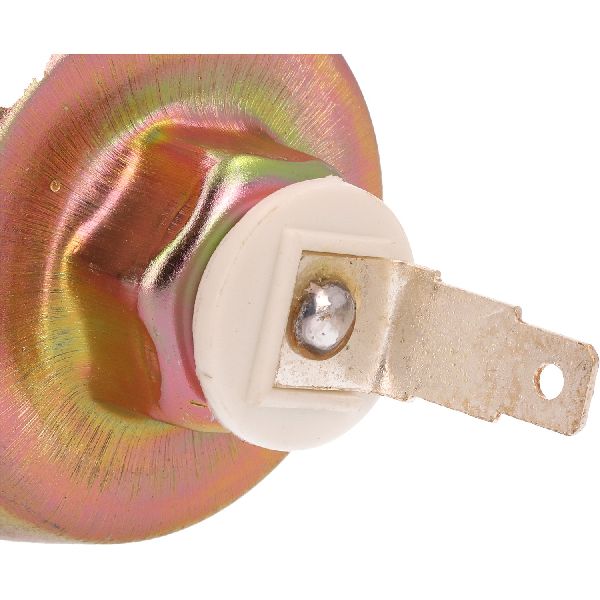
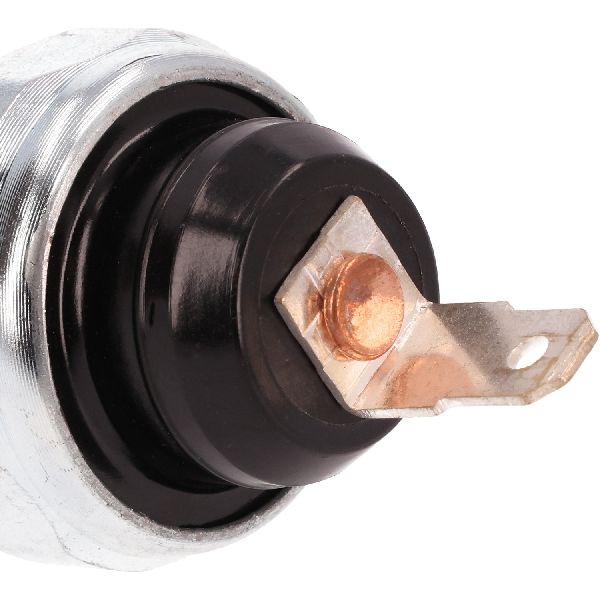
On most GMC V8 engines from this era, the oil pressure switch is located at the top rear of the engine block, near the distributor. It looks like a small canister with a single electrical connector on top.
Can I replace the oil pressure switch myself?
Yes, this is a DIY-friendly job for a beginner. It involves disconnecting the battery, unplugging the single wire, and unscrewing the old switch. You will likely need a special deep socket designed for oil pressure switches to remove and install it. The entire job usually takes less than an hour.
What's the difference between an oil pressure switch and a sending unit?
For this vehicle, the terms are often used interchangeably. A "switch" typically just turns a warning light on or off at a set pressure. A "sending unit" or "sender" provides a variable signal that moves the needle on a pressure gauge. Your G25 uses a sending unit for its gauge.
My gauge reads high all the time. Can this be the switch?
Yes, a sending unit that has failed internally can short in a way that sends a constant maximum signal to the gauge, causing it to read high. An erratic or pegged gauge is a classic symptom of a faulty sender.
Technical Specifications
OEM Part Numbers: 10045707
Typically features a single-terminal, screw-in connector. The switch is calibrated to send a variable electrical resistance to the dashboard gauge based on engine oil pressure.
We Have This Part in Stock


The information in this article is provided for general reference and educational purposes only. Vehicle specifications, procedures, and part compatibility can vary by production date, trim level, and region. Always consult your vehicle's factory service manual and verify part numbers before purchasing or performing repairs. Safety-critical components such as airbags, seat belts, and braking systems should be installed by a qualified professional.