

GMC G15 Engine Oil Pressure Switch and Sending Unit Guide (1975-1978)
Is your oil light on or is your gauge acting erratically? Here’s what you need to know.
- A bad oil pressure switch is a common, age-related failure; symptoms include a constant/flickering light or an erratic gauge.
- Always check your oil level first if the light comes on to rule out a real low-pressure emergency.
- Replacement is a simple, low-cost DIY job that most owners can do in under an hour.
- No recalls or TSBs exist for this part; failure is due to normal wear and tear.
Is Your Oil Light On? Don't Panic, But Don't Ignore It.
A flickering or constantly lit oil pressure light is a common issue on older vehicles like the 1975-1978 GMC G15. While it can signal a serious problem, it's often caused by a faulty, worn-out oil pressure switch. These switches are simple mechanical devices that can fail over decades of use. They can give false warnings, or worse, fail to give any warning at all. This guide will help you understand the symptoms, choose the right replacement part, and know what to expect for the repair.
First Things First: Check Your Oil!
Never assume the warning light is just a bad sensor. If your oil light comes on, the first and most important step is to pull over safely, turn off the engine, and check the oil level with the dipstick. Driving an engine with genuinely low oil pressure can destroy it in minutes.
Symptoms of a Failing Oil Pressure Switch
Because this part can fail in several ways, it can cause a few different symptoms. Look out for:
- Oil Warning Light Stays On: The most common symptom is the oil pressure light staying on even when the engine oil level is correct.
- Flickering Oil Light: The light may flicker or come on intermittently, especially at idle or when the engine is hot. This often indicates a switch that is beginning to fail.
- Erratic Gauge Readings: If your van has a pressure gauge instead of a light, a failing sending unit can cause the needle to read zero, max out, or bounce around wildly.
- Oil Leaks: The switch itself can become brittle with age and leak oil from its body or threads.
- No Warning Light: A switch can also fail in the 'off' position. This is dangerous because the light will not illuminate during the initial key-on bulb check or, more importantly, if a real low-pressure event happens.
Choosing the Right Aftermarket Part
For a vintage vehicle like the G15, finding a new original GM part is nearly impossible. The aftermarket is your primary source, and for a simple part like this, a quality aftermarket replacement is a reliable and cost-effective choice. Here’s a look at the available brands:
- Standard Ignition (Standard Motor Products): A top-tier aftermarket brand well-known for quality electronic components like switches and sensors. They are often recommended by mechanics and are known for their reliability and proper calibration. This is a trusted choice for a critical part.
- Rostra Powertrain: Rostra is a certified manufacturer of both OE and aftermarket electronic parts. While they have a strong reputation, they are more specialized in transmission components. Their quality is generally considered good.
- Global Parts: This brand name often represents a more budget-oriented or private-label product. While it may be the most affordable option, quality and longevity can be less consistent compared to established brands like Standard Ignition.
Pro Tip: Match the Part to Your Dash
There are two types of sensors: a 'switch' for vans with a warning light, and a 'sending unit' for vans with a gauge. They look similar but are not interchangeable. Ensure you order the correct part for your G15's specific instrument cluster.
Typical Replacement Costs
Replacing the oil pressure switch is an inexpensive repair. The part itself is affordable, and the labor is minimal.
| Part/Service | Estimated Cost |
|---|---|
| New Aftermarket Switch/Sender | $15.89 - $62.07 |
| Shop Labor | $50 - $100 |
| Total Estimated Cost | $66 - $163 |
Frequently Asked Questions (FAQ)
Where is the oil pressure switch located on a 1975-1978 GMC G15?
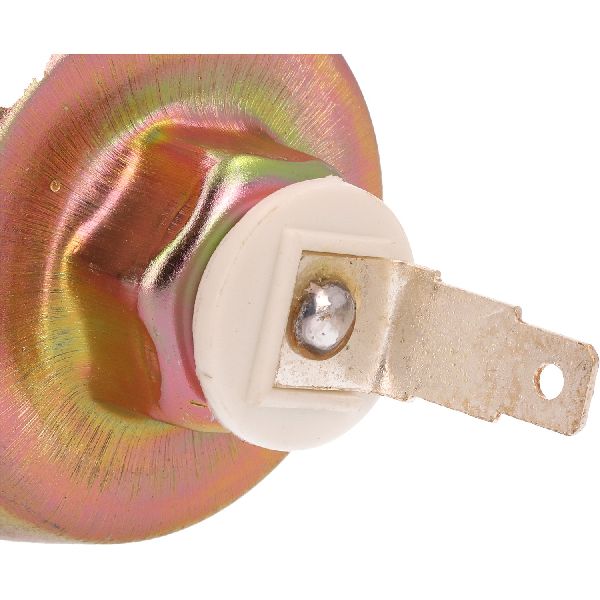
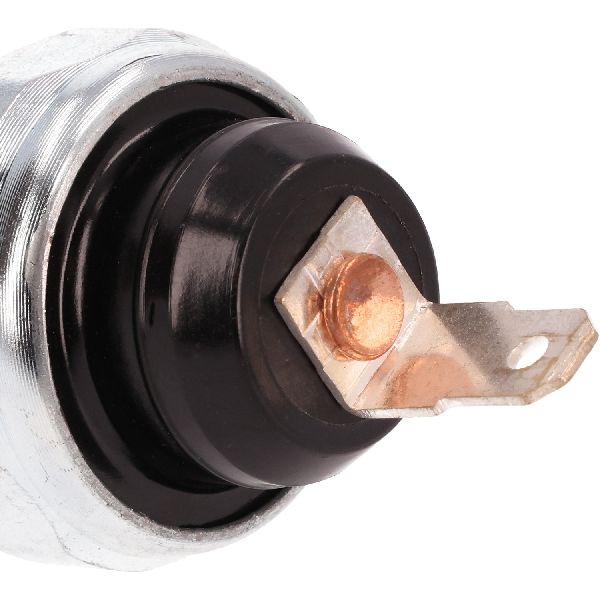
On most GM V8 engines from this period, the oil pressure switch is located at the top rear of the engine block, near the distributor. It is a small, canister-shaped sensor with a single wire attached to the top.
Can I replace the oil pressure switch myself?
Yes, this is a very DIY-friendly job suitable for beginners. The process involves disconnecting the wire, unscrewing the old switch, and installing the new one. The main challenge is reaching the part at the back of the engine. You may need a special deep socket designed for oil pressure switches.
Are there any recalls for the oil pressure switch on this van?
No. A search of the National Highway Traffic Safety Administration (NHTSA) database shows no recalls or specific Technical Service Bulletins (TSBs) for the engine oil pressure switch on the 1975-1978 GMC G15. Any failure today is due to the part's age and normal wear.
What's the difference between an oil pressure switch and a sending unit?
A 'switch' is a simple on/off device that only triggers the warning light when pressure drops below a set threshold. A 'sending unit' is a variable resistor that sends a changing signal to the dashboard gauge, allowing the needle to display a range of pressures. You must use the correct part for your vehicle's dashboard configuration.
Technical Specifications
OEM Part Numbers: D1819A
Typically features a 1/4" x 18 thread and a single blade terminal for the electrical connection.
We Have This Part in Stock


The information in this article is provided for general reference and educational purposes only. Vehicle specifications, procedures, and part compatibility can vary by production date, trim level, and region. Always consult your vehicle's factory service manual and verify part numbers before purchasing or performing repairs. Safety-critical components such as airbags, seat belts, and braking systems should be installed by a qualified professional.