

A Practical Guide to Replacing the Distributor in Your 1975-1978 GMC G15
Keep your classic GMC G15's engine timed correctly and running strong with the right new distributor.
- Your 1975-1978 G15 uses a GM HEI distributor, which is more reliable than older points systems.
- Symptoms of failure include no-start, rough idle, misfiring, and stalling when the engine is hot.
- Aftermarket brand quality varies greatly, from high-performance MSD to budget options like Cardone, which has mixed reviews.
- Replacing the distributor is a manageable DIY job, but setting the ignition timing correctly with a timing light afterward is critical for engine health.
Signs of a Failing Distributor
When a distributor starts to fail, it can cause a range of engine problems. Because these vans are from the mid-1970s, they don't have the complex computer systems of modern cars, so you have to rely on listening to and feeling how the engine runs. The most common internal parts to fail are the ignition module and the pickup coil.
- Engine Misfires: The engine may sputter or hesitate, especially under acceleration.
- Rough Idle: The van may shake or run unevenly when stopped.
- Trouble Starting: A bad distributor can prevent the engine from starting at all, or make it very difficult to start.
- Stalling: The engine might stall unexpectedly, sometimes after it has warmed up, which can point to a failing ignition module that is sensitive to heat.
- Backfiring: Loud popping sounds from the exhaust can happen if spark is delivered at the wrong time.
- Squealing Noises: High-pitched squealing from the distributor can indicate that its internal bushings are worn out.
Choosing the Right Aftermarket Distributor
For a 1975-1978 GMC G15, you are almost certainly working with a GM HEI-style distributor. Original OEM parts are no longer made, so your choices are in the aftermarket. These fall into a few quality and price tiers.
Tier 1: Performance Brands
These brands are for owners looking to upgrade for better performance, reliability, and spark energy. They are more expensive but are built with high-quality components.
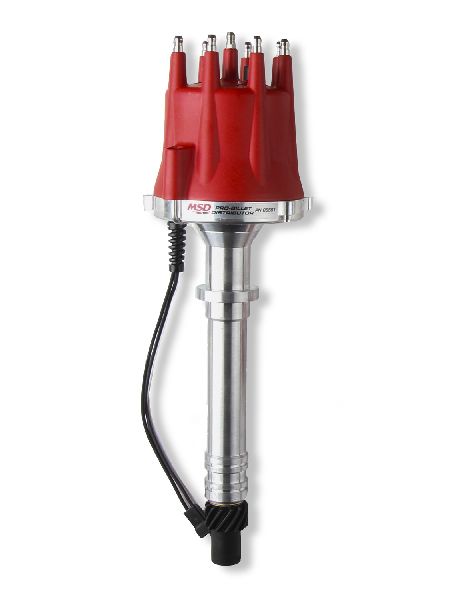
- MSD: A top name in performance ignitions. MSD distributors offer excellent spark energy, especially at lower RPMs, which can improve throttle response and keep spark plugs cleaner. They are well-built and reliable, but come at a premium price.
- Edelbrock: Another trusted performance brand that offers high-quality ignition components, often as part of a matched engine performance package.
Tier 2: OE-Style Replacements
These brands aim to provide a direct replacement for the original distributor without the high cost of performance brands. They are a practical choice for daily drivers and stock engines.
- WAI Global: This brand manufactures 100% new distributors, not remanufactured ones. They are designed to meet original specifications and are generally considered a decent value-priced option.
Tier 3: Budget & Remanufactured Brands
These are the most affordable options, but quality can be inconsistent. They can be a viable choice if you're on a tight budget, but be aware of the potential for issues.
- Cardone: Cardone offers both new and remanufactured distributors. Forum discussions show very mixed results; some owners have used them without issue, while many others report parts being defective right out of the box or failing prematurely. If you choose this brand, getting a lifetime warranty is a good idea.
A Note on "No-Name" Brands
Many cheap HEI distributors sold online are generic units from China that are sold under various brand names. While the low price is tempting, they are known for having poor quality control, incorrect ignition advance curves, and unreliable electronic modules. It is often better to spend a little more on a recognized brand or even rebuild your original Delco distributor if possible.
Known Issues, Recalls, and Service Bulletins
Searches of the National Highway Traffic Safety Administration (NHTSA) database and for Technical Service Bulletins (TSBs) did not reveal any specific recalls or bulletins related to the distributor for the 1975-1978 GMC G15. Most issues are related to the normal wear and tear of ignition components over several decades of use.
Frequently Asked Questions (FAQ)
What's the difference between a points distributor and an HEI distributor?
A points distributor uses mechanical contact points to trigger the spark. These points wear out and require regular adjustment and replacement. A High Energy Ignition (HEI) distributor, standard on your G15, uses a magnetic pickup and an electronic module instead of points. HEI systems are more reliable, produce a much stronger spark (around 40,000 volts), and are virtually maintenance-free.
Can I install a new distributor myself?
Yes, this is a very common DIY job for these vehicles. The process involves bringing the engine to Top Dead Center (TDC) on the #1 cylinder, marking the position of the old distributor, swapping it out, and then setting the ignition timing with a timing light. It is critical to get the placement and firing order correct.
Do I need to replace the spark plug wires with the distributor?
It's a good idea, but not always required. Inspect your spark plug wires for cracks, brittleness, or corrosion at the terminals. If they are old, replacing them with the distributor ensures the powerful spark from your new ignition system reaches the plugs without any issues.
What is ignition timing and why is it important?
Ignition timing is the precise moment the spark plug fires in relation to the piston's position. Setting the timing correctly after installing a new distributor is critical. Incorrect timing can cause poor performance, bad fuel economy, engine overheating, and even serious engine damage.
Technical Specifications
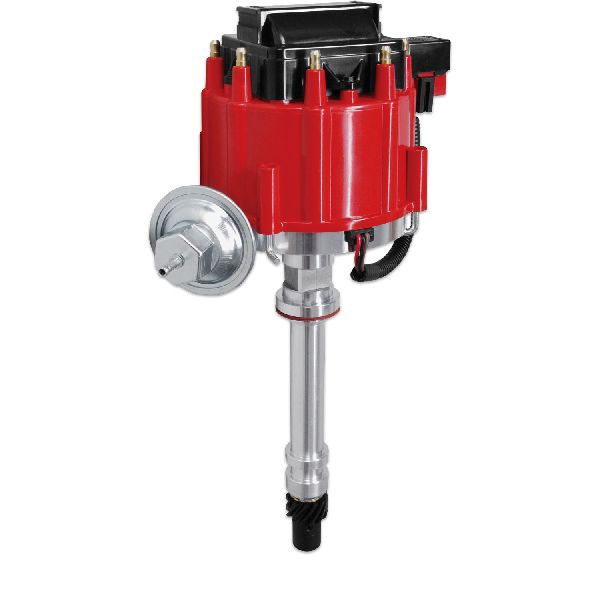
GM HEI (High Energy Ignition) style with internal coil-in-cap design. Fits Chevrolet small-block and big-block V8 engines, and some inline-6 engines common to this van series.
We Have This Part in Stock

The information in this article is provided for general reference and educational purposes only. Vehicle specifications, procedures, and part compatibility can vary by production date, trim level, and region. Always consult your vehicle's factory service manual and verify part numbers before purchasing or performing repairs. Safety-critical components such as airbags, seat belts, and braking systems should be installed by a qualified professional.