

Engine Oil Pressure Switch and Sender Guide for 1975-1978 GMC C35 Trucks
Understand the common causes of oil pressure gauge problems in your classic GMC C35 and how to choose the right replacement part.
- The part for a gauge is a 'sending unit', not just a 'switch'.
- Symptoms are almost always a bad gauge reading: zero, maxed out, or erratic.
- Failure is common, but always verify the engine oil level first.
- Replacement is DIY-friendly, located behind the distributor, but requires a special socket.
Is it a Switch or a Sending Unit?
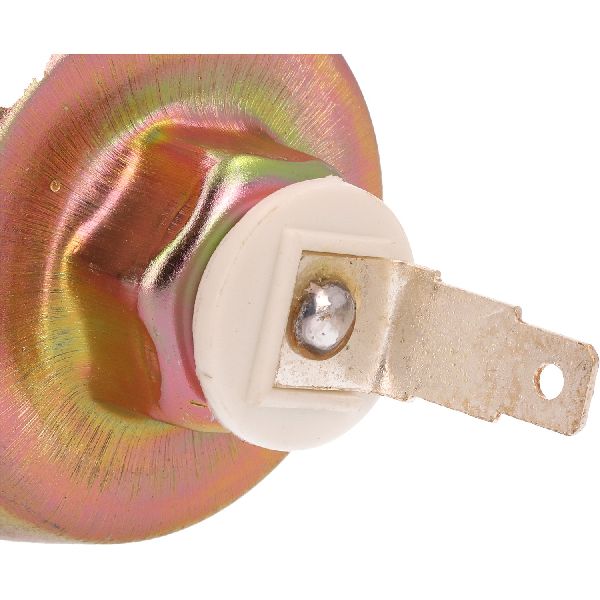
For your 1975-1978 GMC C35 equipped with a factory oil pressure gauge, the correct part is technically an oil pressure sending unit. A "switch" is a simpler part that only triggers a warning light when oil pressure drops to a critically low level. A "sending unit" or "sender" provides a variable signal that allows the dashboard gauge to show a full range of pressure readings. These trucks use a canister-style sending unit that sends an electrical signal to the gauge. It's a common point of failure that can cause confusing readings on your dash.
Symptoms of a Failing Oil Pressure Sender
The most common sign of a bad oil pressure sender is an incorrect reading on your dashboard gauge. This can show up in a few ways:
- Gauge Reads Zero or Very Low: Even if you've checked the oil and the level is fine, a bad sender can make the gauge read zero.
- Gauge is Maxed Out (Reads High): A failed sender can also short internally, causing the gauge to peg all the way to its highest reading.
- Flickering or Erratic Gauge: The needle might jump around wildly, flicker, or work intermittently. This often points to a failing sender or a bad electrical connection to it.
A low or zero oil pressure reading should always be taken seriously. While it's often just a bad sender on these trucks, it could also indicate a true low-pressure situation that can destroy your engine. If you hear new engine noises like knocking or ticking along with a low reading, stop the engine immediately.
Choosing the Right Aftermarket Part
For a vehicle of this age, OEM parts are generally not available. The aftermarket is your primary source. Quality can vary, so it's important to choose a reputable brand. The failure rate on new sending units, even from known brands, can be higher than expected, so testing a new part before installation is a good idea.
Brand Quality Tiers
- Standard Ignition (Standard Motor Products): Generally considered a higher-quality aftermarket brand with a long history. They manufacture many of their own components and perform extensive testing. While some online forum users have reported occasional premature failures, they are often recommended for their accuracy when they work correctly.
- Rostra Powertrain: Rostra is a well-established manufacturer, known for making both OE and aftermarket electronic components, particularly for transmissions. They hold IATF-16949 and ISO-9001 quality certifications, indicating a commitment to manufacturing standards. Their switches and sensors are generally considered reliable.
- Global Parts: Information on this specific brand is less available, suggesting it may be a budget-focused or private-label option. For a critical sensor like this, sticking with a more established brand like Standard or Rostra is often a safer bet.
Aftermarket Cost Overview
| Part Tier | Price Range |
|---|---|
| Value/Economy (e.g., Global Parts) | $13.50 - $25.00 |
| Standard Replacement (e.g., Rostra) | $25.00 - $45.00 |
| Premium Aftermarket (e.g., Standard Ignition) | $45.00 - $62.07 |
Pro Tip: When replacing the sender, it's a good idea to use a small amount of thread sealant on the threads to prevent oil leaks, but be careful not to cover all the threads. The sender needs a good metal-to-metal connection with the engine block to be properly grounded. A poor ground can cause incorrect gauge readings.
Frequently Asked Questions (FAQ)
Where is the oil pressure sender located on my GMC C35?
On most small-block and big-block GM engines from this era, the oil pressure sending unit is located on the top of the engine block, at the rear, just behind the intake manifold and slightly to the driver's side of the distributor. It can be difficult to reach, but replacement does not typically require removing major engine components.
Is this a difficult part to replace myself?
For a DIY mechanic with basic tools, this is a very feasible job. The main challenge is access, as the sender is at the back of the engine near the firewall. You will need a special oil pressure sender socket or a deep well socket (often 1-1/16 inch) to remove and install it. The job typically takes less than an hour.
Are there any recalls or TSBs for this issue?
Searches of the NHTSA database did not show any specific recalls or Technical Service Bulletins (TSBs) for the engine oil pressure switch on the 1975-1978 GMC C35. Any service bulletins found relate to much newer vehicles with different engine and electronic systems.
How do I test my old sending unit?
You can test the sender with a multimeter set to measure Ohms (resistance). With the engine off, the sender should have very low resistance. As the engine runs and oil pressure builds, the resistance should increase steadily. A sender that shows no resistance (open circuit) or bounces around erratically is bad. You can also test the gauge by disconnecting the sender wire; with the key on, the gauge should peg high. Grounding that same wire should make the gauge read zero.
Technical Specifications
The sending unit for these trucks is a canister-style, single-wire electrical sender that operates the factory gauge. It threads into the engine block, typically near the distributor. It works on a principle of increasing electrical resistance as oil pressure increases.
We Have This Part in Stock


The information in this article is provided for general reference and educational purposes only. Vehicle specifications, procedures, and part compatibility can vary by production date, trim level, and region. Always consult your vehicle's factory service manual and verify part numbers before purchasing or performing repairs. Safety-critical components such as airbags, seat belts, and braking systems should be installed by a qualified professional.