

Guide to the 1975-1978 GMC C25 Suburban Ported Vacuum Switch
Diagnose and replace the temperature-controlled vacuum switch affecting your classic Suburban's performance and cooling.
- A bad ported vacuum switch can cause poor idle, bad fuel economy, hesitation, and overheating in traffic.
- When buying a replacement, you MUST match the color and number of vacuum ports of your original switch to ensure correct function.
- Standard Ignition is a widely available and reliable aftermarket brand for this part, as new OEM switches are no longer produced.
- Replacement is a simple, DIY-friendly task that most owners can complete in under an hour.
Understanding the Ported Vacuum Switch in Your C25 Suburban
On carbureted trucks like the 1975-1978 GMC C25 Suburban, engine functions are managed by a web of vacuum hoses and switches. The Ported Vacuum Switch (PVS) is a key part of this system. Its job is to change where vacuum is sent as your engine warms up. For example, it often prevents the EGR valve from getting vacuum when the engine is cold, which would cause it to run rough. It also plays a vital role in drivability and engine protection by helping to prevent overheating at idle. After decades of heat cycles, these switches, often made of plastic and brass, can become brittle, crack, or fail internally. A cracked or broken switch can cause a significant vacuum leak or send the wrong signals to other components, leading to a variety of engine problems.
Symptoms of a Failing Ported Vacuum Switch
A bad PVS can be tricky to diagnose because its symptoms often mimic other engine problems. Since these trucks were built before modern OBD-II computer systems, there is no check engine light to point you to the problem. Diagnosis must be based on physical symptoms and testing. Common signs include:
- Rough or Unstable Idle: The engine may idle poorly, either when cold or after it has fully warmed up. A cracked switch body can also cause a vacuum leak, leading to a rough or high idle.
- Engine Overheating in Traffic: A key function of the PVS is to help the engine cool at idle by adjusting timing. A failure can cause it to run hot when you're stopped.
- Poor Fuel Economy: Incorrect ignition timing from a faulty switch can lead to reduced efficiency and increased gas consumption.
- Engine Stumbling or Hesitation: During acceleration, the engine may bog down or hesitate if the timing advance isn't working correctly.
- Failed Emissions Test: Improper control of the EGR valve is a common reason for failing a smog test.
Critical: Match Your Original Switch
Before ordering a new part, you must check the original switch on your engine. These switches come in different temperature ratings and port configurations (typically 2, 3, or 4 ports). They are often color-coded (e.g., white, purple) to identify their specific function. You must match the color and number of ports to ensure the replacement part works correctly for your specific engine and emissions setup.
Choosing the Right Aftermarket Part
For a vehicle of this age, new Original Equipment Manufacturer (OEM) parts from GM are generally no longer available. The market consists of new aftermarket parts. Standard Ignition (also known as Standard Motor Products) is a widely available and reputable brand for these switches. Their parts are typically constructed with brass and high-temperature plastic to meet original specifications. Given the limited options, a quality aftermarket part from a known brand like Standard Ignition is a reliable choice.
| Part Type | Estimated Cost |
|---|---|
| New Aftermarket (Standard Ignition) | $45.84 - $57.86 |
| Shop Labor | $50 - $100 |
| New OEM | Not Available |
| Used OEM | $10 - $30 (Varies) |
DIY Replacement Tip
Replacing the PVS is a simple DIY job. It's usually threaded into the thermostat housing at the front of the engine. When replacing, allow the engine to cool completely. Be gentle when removing the old vacuum lines, as they can be brittle. It's a good idea to label the hoses before you remove them to ensure they go back on the correct ports. A small amount of coolant may leak out when you unscrew the old switch, so be prepared with a rag.
Frequently Asked Questions
Where is the ported vacuum switch located?
On most V8 engines in the 1975-1978 GMC C25 Suburban, you'll find the PVS threaded into the thermostat housing at the front of the intake manifold, right where the upper radiator hose connects. This allows it to accurately read the engine's coolant temperature.
Do I really need a ported vacuum switch? Can I just bypass it?
Yes, you need it. While some people remove emissions components, the PVS is also important for performance, drivability, and preventing the engine from overheating at idle. Bypassing it is not recommended as it can lead to poor performance, bad fuel economy, and failed emissions tests.
Are there any recalls for this part?
No, searches of the National Highway Traffic Safety Administration (NHTSA) database show no specific recalls or technical service bulletins (TSBs) for the ported vacuum switch on the 1975-1978 GMC C25 Suburban. Any service campaigns from this era would be long expired.
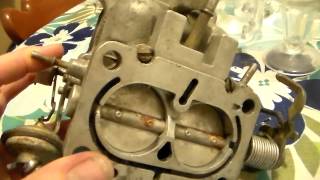
What's the difference between ported and manifold vacuum? 🎬 Watch this video to visualize the difference between vacuum sources.
Manifold vacuum is present at idle, while ported vacuum is not available until the throttle is slightly opened. The PVS often switches between these two sources based on engine temperature to control components like the distributor vacuum advance. For example, it may provide manifold vacuum to the distributor when the engine is overheating to increase idle speed and cooling.
Helpful Videos
Technical Specifications
OEM Part Numbers: 364708 3055378
Temperature-activated vacuum switch. Available in 2, 3, or 4-port configurations. Color-coded for specific temperature ratings and functions. Typically threaded into the thermostat housing.
We Have This Part in Stock


The information in this article is provided for general reference and educational purposes only. Vehicle specifications, procedures, and part compatibility can vary by production date, trim level, and region. Always consult your vehicle's factory service manual and verify part numbers before purchasing or performing repairs. Safety-critical components such as airbags, seat belts, and braking systems should be installed by a qualified professional.