

Choosing the Right New Distributor for Your 1975-1978 GMC C25
Get your classic truck running strong by understanding your options for a new aftermarket distributor.
- Upgrading to a new HEI distributor is a significant reliability and performance improvement over the original points system.
- Symptoms of a bad distributor include misfiring, no-start, stalling when hot, and rough idling.
- The most common failure point in many aftermarket HEI distributors is the electronic ignition module.
- Proper installation requires careful marking of the old distributor's position and setting the final ignition timing with a timing light.
Symptoms of a Failing Distributor
A bad distributor can cause a wide range of engine problems, from annoying to critical. Because these trucks are from an era before complex computer diagnostics, you have to rely on the signs the engine gives you. The most common internal failure points on an HEI distributor are the ignition module and the pickup coil. A failing distributor can cause issues that feel like fuel problems, so it's important to diagnose correctly.
- Engine Misfires: The engine may stumble or shake, especially under load. This happens when spark isn't delivered reliably.
- No-Start or Hard Starting: A completely failed distributor means no spark, and the engine will crank but never start. Intermittent failures, often related to heat, can cause the truck to stall when hot and then restart after cooling down.
- Rough Idle: An unstable idle that bounces around or feels like the engine is about to stall can be caused by inconsistent spark timing.
- Backfiring: If the timing is off, a loud pop or bang from the intake or exhaust can occur when unburned fuel ignites at the wrong time.
Choosing the Right Aftermarket Distributor
For a 1975-1978 GMC C25, you are almost certainly upgrading from an old points system or replacing an aging original HEI. New aftermarket distributors are the most common choice. They range from basic stock replacements to high-performance units. Original GM-made HEI distributors were very good, but new OEM parts are no longer available. The choice comes down to budget and how you use your truck.
Tier 1: Performance Brands (MSD, Edelbrock, FAST)
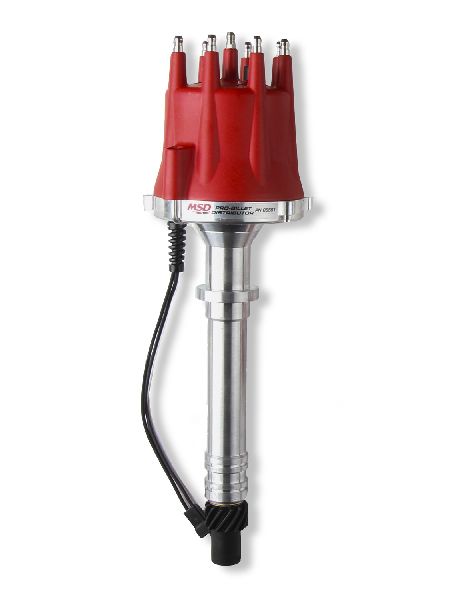
These brands are for owners looking for maximum performance and reliability. They often feature billet aluminum housings, stronger coils, more precise timing adjustments, and higher-quality internal components. Brands like MSD and Edelbrock are well-respected in the hot rod and classic truck communities. They are a great choice for modified engines or for owners who want top-tier, American-made (in some cases) components and are willing to pay a premium. However, even these brands can have occasional quality control issues, so buying from a reputable dealer is key.
Tier 2: OE-Style Replacement Brands (WAI Global, Cardone)
These brands focus on providing a new part that meets or exceeds original factory specifications. They are a cost-effective solution for daily drivers or stock restorations. WAI Global offers 100% new distributors, not remanufactured units. Cardone is a huge name in the aftermarket, offering both new and remanufactured parts; their new units are a popular choice. Quality on these budget-friendly options can sometimes be inconsistent, with reviews often mentioning premature failure of the included ignition module. Despite this, they offer good value and are widely available.
Distributor Cost for 1975-1978 GMC C25
| Part Type | Estimated Price Range |
|---|---|
| New Aftermarket (Budget) | $111 - $250 |
| New Aftermarket (Performance) | $250 - $778+ |
| Shop Labor for Installation | $150 - $300 |
Frequently Asked Questions (FAQ)
Is it difficult to replace the distributor myself?
Replacing a distributor is a classic tune-up task that is very possible for a DIY mechanic, but it requires care. The difficulty is moderate. You must be very careful to mark the position of the old distributor and rotor before removal. If you don't, or if the engine is turned over while the distributor is out, you will have to find Top Dead Center (TDC) for the #1 cylinder to get the timing right again. Incorrect installation will prevent the engine from starting or cause it to run very poorly.
Do I need a timing light to install a new distributor?
Yes, a timing light is essential for this job. While you can get the engine to start by carefully marking the old distributor's position, you must use a timing light to set the initial and total ignition timing accurately. Incorrect timing can lead to poor performance, bad fuel economy, and even engine damage.
What's the difference between a points distributor and an HEI?
A points distributor uses a mechanical switch (the points) that wears out and requires regular adjustment. An HEI (High Energy Ignition) distributor uses a magnetic pickup and an electronic module to trigger the spark. HEI systems are more reliable, require less maintenance, and produce a much higher voltage spark, which improves performance and starting. Upgrading from points to HEI is one of the most popular and effective modifications for these trucks.
Are there any recalls for the distributor on my 1975-1978 GMC C25?
No. A search of the National Highway Traffic Safety Administration (NHTSA) database shows no recalls for the distributor on these vehicles. Any failures are due to the age and wear of the original components, not a manufacturing defect that would have led to a recall.
Technical Specifications
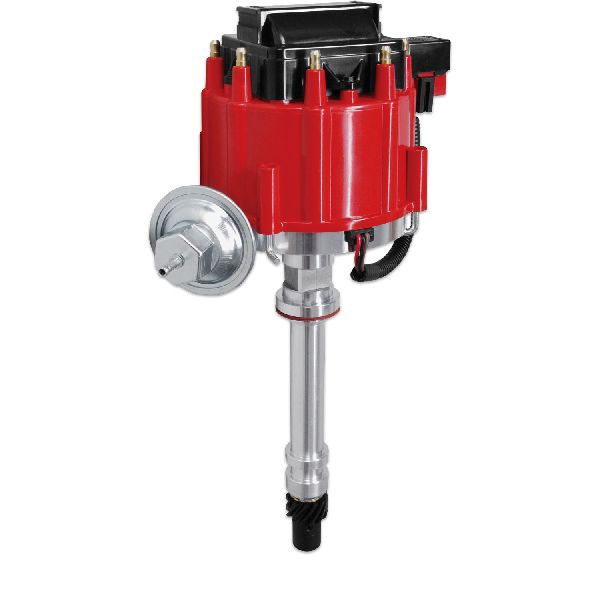
The key decision is choosing between a standard HEI replacement and a performance-oriented HEI distributor. For 1975-1978 GMC C25s, this involves upgrading from a points-style system or replacing an original HEI. All new aftermarket options will be the large-cap HEI style with an integrated coil. Performance models may offer features like billet housings, adjustable mechanical advance, and higher output coils.
We Have This Part in Stock

The information in this article is provided for general reference and educational purposes only. Vehicle specifications, procedures, and part compatibility can vary by production date, trim level, and region. Always consult your vehicle's factory service manual and verify part numbers before purchasing or performing repairs. Safety-critical components such as airbags, seat belts, and braking systems should be installed by a qualified professional.