

GMC C25 Accessory Drive Belt Replacement Guide (1975-1978)
Keep your classic GMC running strong by understanding its unique V-belt system.
- Your 1975-1978 GMC C25 uses multiple V-belts, not a single serpentine belt. You must identify how many your specific truck needs.
- Squealing is the most common warning sign of a failing belt, usually caused by improper tension or wear.
- High-quality aftermarket brands like Gates, Continental, and Dayco are the standard for replacement and are considered reliable choices.
- While replacing belts, inspect the pulleys for wobble or roughness and consider replacing all belts at once for preventative maintenance.
Understanding Your C25's V-Belt System
Your 1975-1978 GMC C25 doesn't have one single accessory drive belt; it has several individual V-belts. This is a key difference from newer vehicles. Depending on your truck's engine and options (like air conditioning or heavy-duty cooling), you could have two, three, or even four separate belts. Each belt drives one or two accessories. This setup was the standard for decades and is reliable when properly maintained. The most common issue is incorrect belt tension or worn pulleys, which can cause noise and premature failure.
Symptoms of a Failing V-Belt
A failing V-belt will almost always give you a warning sign before it breaks completely. Being able to recognize these signs can prevent you from getting stranded.
- Squealing Noises: This is the most common symptom. A high-pitched squeal, especially on startup or when accelerating, is caused by the belt slipping on the pulleys. This usually points to a loose belt or a glazed (hardened) surface.
- Visible Wear and Tear: A visual inspection can tell you a lot. Look for cracks, fraying, missing chunks, or a shiny, glazed appearance on the belt's sides. Any of these mean it's time for a replacement.
- Accessory Failure: If your power steering becomes heavy, the battery light comes on, or the engine temperature starts to climb, it's a direct sign that the belt for that specific component has failed or is slipping badly.
Critical System Warning
If the belt that drives the water pump fails, your engine will overheat very quickly. If you see your temperature gauge rising rapidly, pull over and shut off the engine immediately to prevent catastrophic damage.
Choosing the Right Aftermarket Belts
For a vehicle of this age, high-quality aftermarket belts are the standard and often exceed the quality of original 1970s parts. Original Equipment (OEM) belts are generally not available. The three main brands you'll encounter—Gates, Dayco, and Continental—are all reputable manufacturers.
- Good Tier (Dayco): Dayco produces reliable V-belts that meet or exceed original specifications. They are a popular choice and offer a good balance of price and performance. Their "Top Cog" design is made to run cooler and be more flexible.
- Better Tier (Continental): Continental is a well-respected German manufacturer known for quality. Many professional mechanics trust their belts for durability and quiet operation. They acquired the popular Goodyear Gatorback belt line, now sold under the Continental Elite brand.
- Best Tier (Gates): Gates is often considered the top choice by many professional mechanics and classic truck enthusiasts. They have a long-standing reputation for making durable, high-quality belts that resist stretching and wear. NAPA-branded belts are also manufactured by Gates.
Pro Tip: Replace as a Set
It's wise to replace all the accessory belts at the same time. They have all been exposed to the same conditions and age. This prevents you from having to do the same job again in a few months when the next old belt fails. Also, always check the pulleys for wobble or noise while the belts are off.
Cost of New Aftermarket V-Belts
The cost to replace the V-belts on your C25 is affordable. Keep in mind that your truck will need multiple belts, so the total parts cost will be the price per belt multiplied by the number of belts required.
| Part | Price Range (Per Belt) |
|---|---|
| Aftermarket V-Belt (Dayco, Continental, Gates) | $7.33 - $40.28 |
Frequently Asked Questions
How many belts does my 1975-1978 GMC C25 have?
The exact number depends on the engine (inline-6 or V8) and the accessories installed (A/C, power steering, etc.). Most V8 models will have at least two or three belts. It's best to visually inspect your engine to confirm the number and length of the belts you need before ordering.
Can I use a modern serpentine belt on my truck?
Not without significant modification. Some owners convert their older V-belt systems to a single serpentine belt setup using kits or parts from newer (early 90s) GM trucks. However, this is a custom job and not a direct replacement.
What are "cogged" or "notched" V-belts?
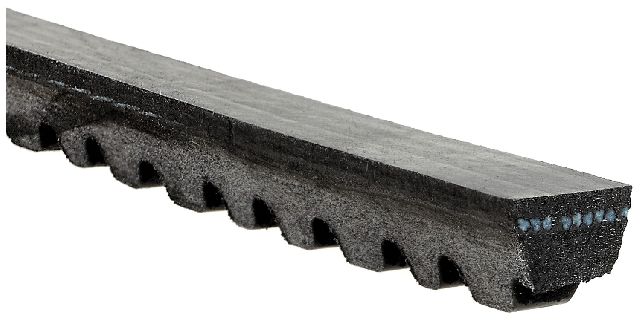
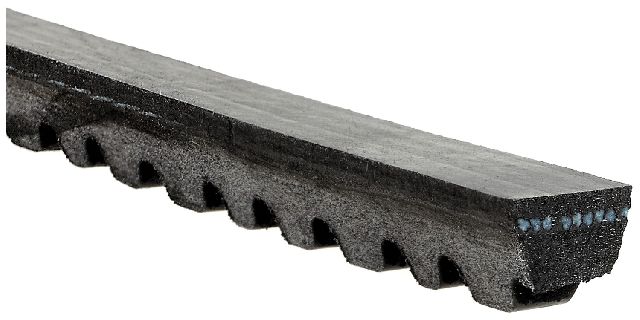
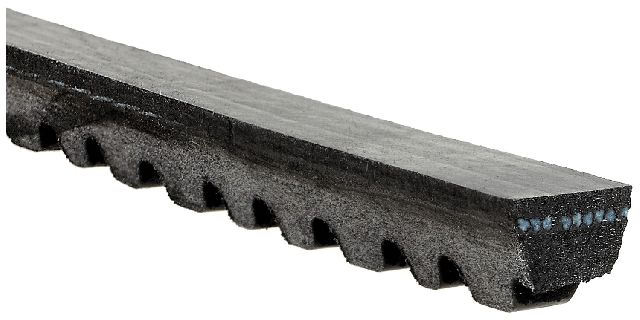
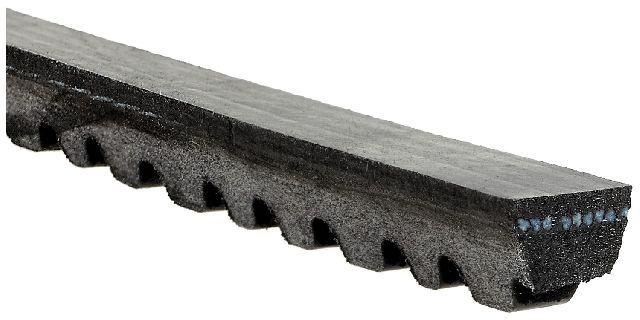
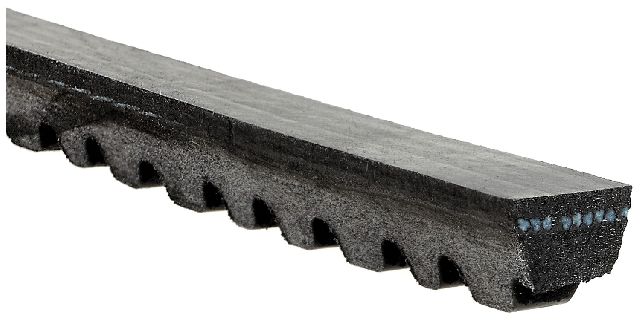
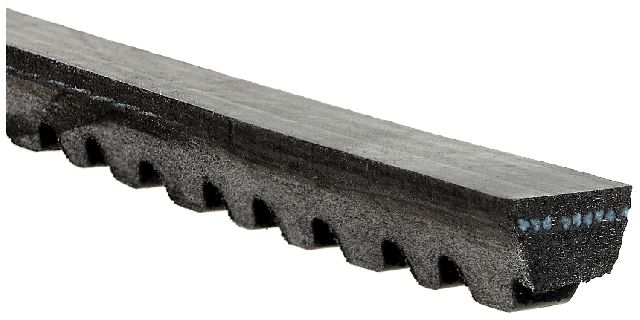
Cogged or notched V-belts have cuts on the underside. These notches allow the belt to bend more easily around smaller pulleys and help dissipate heat, which can extend the belt's life. They are a good upgrade over standard smooth V-belts.
Why is my new belt squealing?
The most common cause of squeal, even with a new belt, is improper tension. It's either too loose or, less commonly, too tight. Another cause can be pulleys that are worn, misaligned, or contaminated with oil or grease.
Technical Specifications
System Type: Multiple V-Belts. The number, length, and width of the belts vary based on engine size (e.g., 4.1L L6, 5.7L V8, 7.4L V8) and factory-installed options like Air Conditioning and Heavy Duty Cooling. Visual confirmation before purchase is highly recommended.
We Have This Part in Stock

The information in this article is provided for general reference and educational purposes only. Vehicle specifications, procedures, and part compatibility can vary by production date, trim level, and region. Always consult your vehicle's factory service manual and verify part numbers before purchasing or performing repairs. Safety-critical components such as airbags, seat belts, and braking systems should be installed by a qualified professional.