

A/C System Valve Core and Cap Kit Guide for 1975-1978 GMC C25
Leaky A/C service ports are a common issue on classic trucks; here’s what you need to know for your GMC C25.
- A leaking A/C valve core is a common cause of poor cooling in older trucks.
- You must identify if your C25 uses original R-12 or has been converted to R-134a refrigerant before service.
- Due to the need for specialized equipment to evacuate and recharge the system, this is not a simple DIY job.
- Aftermarket kits from brands like Four Seasons are the standard, reliable replacement for this part.
Is Your C25's A/C Getting Weak? Check the Service Ports.
If your truck's air conditioning isn't blowing as cold as it used to, the problem could be a simple, slow leak. One of the most common leak points on any A/C system, especially on an older vehicle like the 1975-1978 GMC C25, is the service port valve core. Over decades, the tiny rubber seals in these valves can dry out and fail, allowing refrigerant to escape.
Symptoms of a Failing A/C Valve Core
- Weak or Inconsistent Cooling: The most obvious sign is that your A/C can't keep the cabin cool. As refrigerant leaks out, the system's performance drops significantly.
- Hissing Sounds: You might hear a faint hissing from the engine bay near the A/C lines, which is the sound of refrigerant gas escaping from the valve.
- Oily Residue: A/C refrigerant contains oil to lubricate the compressor. If a valve is leaking, you may see a dirty, oily film collecting around the service port cap as dust sticks to the escaping oil.
Warning: Refrigerant Type is Critical
Your 1975-1978 GMC C25 originally came with R-12 refrigerant. Due to environmental regulations, most of these systems have been converted to use modern R-134a refrigerant. Before buying parts or servicing the system, you MUST identify which refrigerant your truck uses. Look for a sticker under the hood indicating a conversion, or check the service port fittings—R-134a conversion fittings look different and are required by law for a converted system. Using the wrong refrigerant or oil can damage your A/C system.
Choosing the Right Aftermarket Kit
For a classic truck like the C25, finding a new OEM valve core kit from GM is not a realistic option. The market for these parts is served entirely by new aftermarket manufacturers. This is not a concern, as brands specializing in climate control components produce reliable parts for this application.
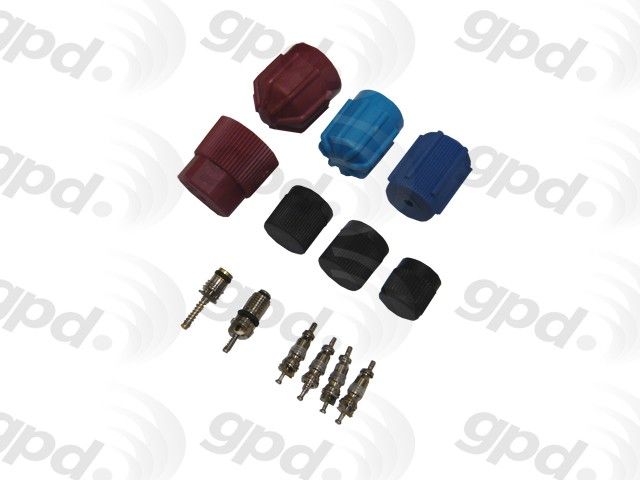
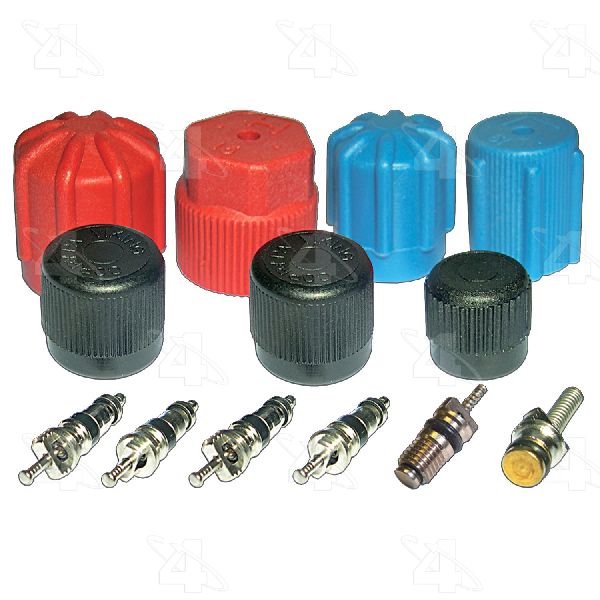
- Standard / Good Tier (Four Seasons, Global Parts): Both Four Seasons and Global Parts are well-known aftermarket brands that supply a huge range of A/C components. For a simple part like a valve core and cap kit, their products are a reliable and cost-effective choice. Four Seasons is one of the largest aftermarket climate control suppliers in the industry and is a common choice for replacement parts on classic vehicles. There is little practical difference in quality between these brands for this specific part.
Since OEM parts are not available, the discussion of quality differences is minimal. An aftermarket kit from a reputable supplier is the standard and correct repair path.
Pro Tip: Replace While You're In There
Because replacing the valve cores requires the A/C system to be professionally evacuated, it's smart to replace them anytime you have other A/C work done, like replacing a compressor or hose. The parts are inexpensive, and it prevents a future failure point.
Cost to Replace A/C Valve Cores on a 1975-1978 GMC C25
| Part/Service | Estimated Cost |
|---|---|
| New Aftermarket Kit (Four Seasons, Global Parts) | $8 - $23 |
| Shop Labor (includes system evacuation and recharge) | $150 - $300+ |
| Total Estimated Cost | $158 - $323+ |
Costs are estimates and can vary based on your location, the shop's labor rates, and the type of refrigerant in your system.
Frequently Asked Questions
Can I replace the A/C valve cores myself?
While physically unscrewing the old valve and inserting a new one is simple with a special tool, doing it correctly is a job for a professional or a highly-equipped DIYer. Legally and safely, the refrigerant in the system must be recovered with an expensive machine before opening the system. Failure to do so releases refrigerant into the atmosphere, which is illegal, and can cause severe frostbite injuries. After replacement, the system must be vacuumed to remove air and moisture before being recharged with a precise amount of refrigerant.
Where are the A/C service ports on my GMC C25?
On GM trucks from this era, the A/C service ports are typically located on the metal A/C lines in the engine bay. You will find a high-pressure port (usually on a smaller diameter line) and a low-pressure port (on a larger diameter line). They will have black or blue plastic caps screwed on top.
Do I need a special tool to replace the valve core?
Yes, a specific Schrader valve core removal tool is required. It looks like a small screwdriver designed to grip the valve core. While some advanced, more expensive tools claim to allow replacement without losing the system's charge, they can be tricky to use and are best left to professionals.
My truck was converted to R-134a. Does that matter for this part?
Yes. While many modern valve cores are compatible with both R-12 and R-134a refrigerant and their corresponding oils, it's crucial to ensure the kit you buy is listed as compatible. The main concern is the rubber seals in the valve, which must be able to withstand the specific type of refrigerant oil used in your system (mineral oil for R-12, PAG or ESTER oil for R-134a).
Technical Specifications
OEM Part Numbers: 10027604
This vehicle typically uses a GM Large Bore A/C Schrader valve core. Kits should be verified for compatibility with both R12 and R134a refrigerants to cover original and converted systems.
We Have This Part in Stock

The information in this article is provided for general reference and educational purposes only. Vehicle specifications, procedures, and part compatibility can vary by production date, trim level, and region. Always consult your vehicle's factory service manual and verify part numbers before purchasing or performing repairs. Safety-critical components such as airbags, seat belts, and braking systems should be installed by a qualified professional.