

1975-1976 Ford Elite Engine Coolant Bypass Hose Replacement Guide
Prevent overheating in your classic Elite by understanding and replacing this small but critical coolant hose.
- A failing bypass hose is a serious issue that can lead to catastrophic engine overheating.
- Aftermarket hoses from Dayco and Gates are both reliable, high-quality replacements.
- This is an easy and inexpensive DIY repair that can prevent a much more costly engine failure.
- Always replace hose clamps at the same time as the hose to ensure a proper, long-lasting seal.
Signs of a Failing Bypass Hose
On a classic car like the Ford Elite, rubber components are exposed to decades of heat cycles and are often the first parts to degrade. A failure in this small hose can lead to big engine problems. Watch for these common symptoms:
- Coolant Leaks: This is the most obvious sign. You may find puddles or drips of green or yellow coolant under the front of your engine. Leaks often start small, right at the edge of the hose clamp.
- Sweet Smell: Leaking coolant has a distinct, sweet aroma. If you smell this coming from your engine bay after a drive, you likely have a leak, even if you can't see it.
- Engine Overheating: A significant leak will cause the coolant level to drop, making your temperature gauge climb. If the hose bursts, the engine will overheat very quickly, risking severe damage like warped cylinder heads or a blown head gasket.
- Visible Hose Damage: When the engine is cool, inspect the hose. If it feels spongy, mushy, or conversely, hard and brittle, it's time for a replacement. Look for bulges, swelling, or cracks, which are clear signs of weakness.
Choosing the Right Aftermarket Hose
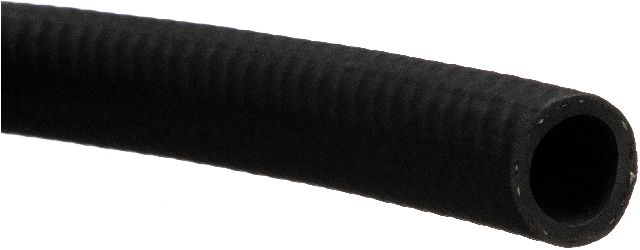
Original equipment (OEM) hoses for a 1975-1976 Ford Elite are no longer produced by Ford. Fortunately, aftermarket brands like Dayco and Gates offer high-quality replacements that are readily available and often made with modern materials that are more durable than the originals.
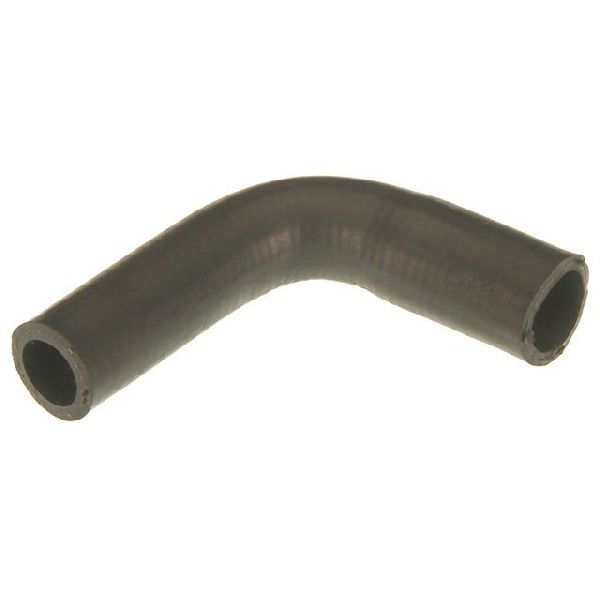
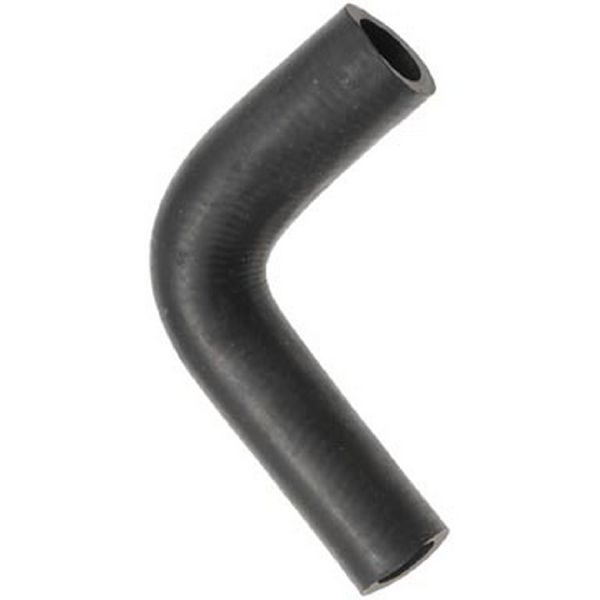
There is no clear winner between Dayco and Gates, as both are reputable manufacturers. Forum discussions among mechanics and DIYers show that both brands are considered reliable. Some users note that Dayco hoses can feel slightly thicker, while others prefer the fitment of Gates hoses in certain applications. The most important factor with any aftermarket hose is ensuring it has the correct shape and bends to prevent kinks or rubbing against other components. When choosing, either brand is a solid choice, and your decision could come down to price or availability.
Pro Tip: Replace the Clamps
Always install new hose clamps when you replace a coolant hose. The original clamps have lost tension over 50 years. Using new, high-quality worm-gear or spring-style clamps will ensure a tight, leak-free seal on your new hose.
Cost to Replace the Engine Coolant Bypass Hose
This is an inexpensive but vital repair. The cost will vary depending on whether you do the work yourself or take it to a shop.
| Item | Estimated Cost |
|---|---|
| New Aftermarket Hose | $26 - $82 |
| Shop Labor | $75 - $150 |
| DIY Total | $26 - $82 (plus coolant) |
| Shop Total | $101 - $232 |
Frequently Asked Questions (FAQ)
Is this a difficult job to do myself?
No, this is a very DIY-friendly job for most home mechanics. The bypass hose is usually located at the top-front of the engine and is easily accessible. The job requires only basic hand tools like a screwdriver or socket set for the clamps and a drain pan. The most challenging part is often removing the old hose if it's stuck to the metal fittings.
Do I need to drain all the coolant to replace this hose?
You don't have to drain the entire system. Since the hose is at a high point on the engine, you will only lose a small amount of coolant when you remove it. Place a drain pan underneath to catch any spillage and be prepared to top off the radiator with the correct coolant mixture when you are finished.
What if my engine doesn't have this hose?
Some Ford engines in the 335 series (like the 351M and 400) used an internal coolant bypass. In these cases, the ports on the water pump and intake manifold are often used for heater hoses. If your engine doesn't have a short, U-shaped hose in this location, this specific part may not apply to your vehicle's configuration. Always verify the hose routing on your specific engine before ordering parts.
Are there any recalls for the Ford Elite bypass hose?
No. Searches of the National Highway Traffic Safety Administration (NHTSA) database show no recalls or technical service bulletins (TSBs) related to the engine coolant bypass hose for the 1975-1976 Ford Elite. Any failure of this part is due to normal aging and wear.
Technical Specifications
This molded hose connects the water pump to the intake manifold. It is made of EPDM rubber to resist heat, ozone, and chemical degradation, meeting SAE 20R4 or 20R3 standards. Its specific shape is crucial for proper fitment on Ford V8 engines from this era.
We Have This Part in Stock

The information in this article is provided for general reference and educational purposes only. Vehicle specifications, procedures, and part compatibility can vary by production date, trim level, and region. Always consult your vehicle's factory service manual and verify part numbers before purchasing or performing repairs. Safety-critical components such as airbags, seat belts, and braking systems should be installed by a qualified professional.