

Spark Plug Guide for the 1975 Scorpion Whip 400PR
Keep your vintage Scorpion running strong with the right spark plugs.
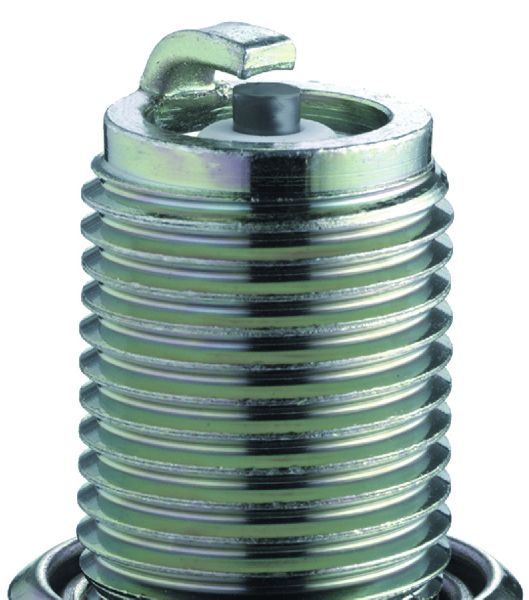
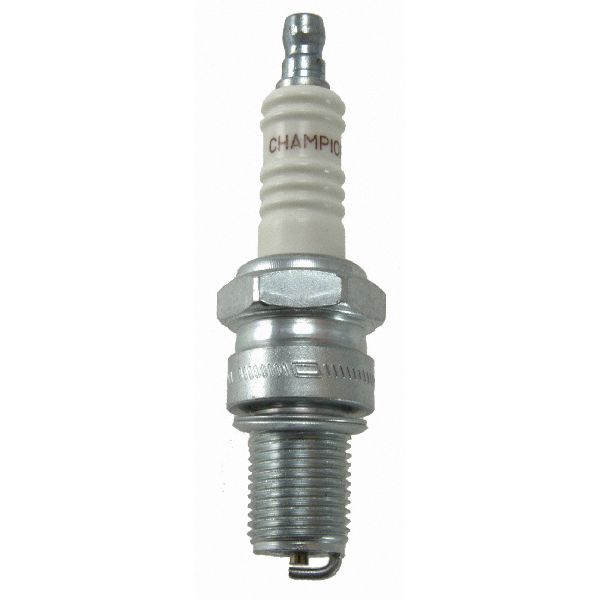
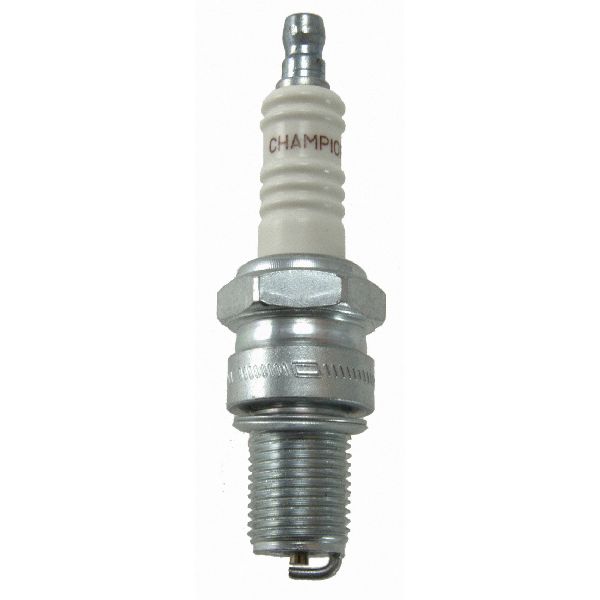
- The recommended standard spark plugs are NGK B8ES or the equivalent Champion N3C.
- Always check and set the spark plug gap to 0.020 inches (0.5mm) before installation.
- Frequent spark plug fouling is usually a sign of another issue, such as an incorrect fuel mixture or carburetor problem, not a faulty plug.
- Due to their low cost, it's best to start each season with fresh plugs and always carry a spare set.
Signs of a Failing Spark Plug in Your Whip 400PR
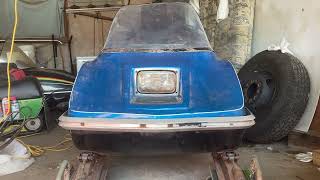
🎬 Check out everything you need to know about Scorpion Whips.Because of the nature of a vintage two-stroke engine, your spark plugs work hard and can show signs of wear or fouling. If you notice any of these symptoms, it might be time for a new set of plugs.
- Hard Starting: One of the most common signs. A weak or fouled plug won't provide the strong spark needed to easily fire up a cold engine.
- Misfiring or Rough Idle: If the engine is sputtering, running unevenly, or stalling at idle, a bad spark plug could be the culprit. This happens when a plug fails to spark consistently.
- Poor Performance and Power Loss: A sled that feels sluggish or can't reach its usual top speed may be suffering from weak ignition. Worn plugs can't efficiently burn the fuel mixture, leading to a loss of power.
- Increased Fuel Consumption: When the spark is weak, fuel isn't burned completely. This means you'll be using more gas for the same amount of riding.
- Visible Wear or Fouling: The best way to check is to remove the plugs. If they are wet with fuel, covered in black, sooty deposits, or the electrode is worn down, it's time for a replacement.
Known Issues on Vintage Sleds
For the 1975 Scorpion Whip and other sleds of its era, ignition issues are common, but often not the fault of the plug itself. The breaker point ignition system requires maintenance. Corroded points can cause a weak or non-existent spark. Before replacing plugs for a no-spark condition, it's wise to inspect and clean the points. Additionally, problems like deteriorated internal fuel lines, cracked impulse lines, 🎬 Watch this guide on the most common vintage snowmobile problems. or incorrect carburetor settings can cause the engine to run too rich, which quickly fouls even brand-new spark plugs.
Choosing the Right Aftermarket Spark Plug
For your 1975 Whip 400PR with its Rockwell/Cuyuna engine, you don't need expensive, exotic spark plugs. The original technology was simple and robust. Standard copper-core plugs from reputable brands are the best choice for reliability and performance. They are what the engine was designed for.
Available Brands: Champion vs. NGK
Both Champion and NGK are excellent choices for your vintage Scorpion. They have been making plugs for these engines since they were new.
- NGK: The standard recommended plug is the B8ES. NGK plugs are known for their quality and resistance to fouling, making them a very popular choice among vintage sled enthusiasts.
- Champion: The direct equivalent to the NGK B8ES is the N3C. Champion is a classic American brand and would have been a common original or replacement part back in the day.
Pro Tip: The NGK B8ES and Champion N3C are interchangeable. If you've been running one brand, you can switch to the other without any issues. Many owners carry a spare set of plugs when they ride, and having either of these on hand is a smart move.
Aftermarket Spark Plug Cost for 1975 Scorpion Whip 400PR
Spark plugs are one of the most affordable maintenance items for your snowmobile. Given the low cost, it's best to replace them regularly rather than trying to clean and reuse old, worn-out plugs.
| Part Type | Price Range |
|---|---|
| New Aftermarket (NGK, Champion) | $3.74 - $14.32 |
Frequently Asked Questions (FAQ)
How often should I change the spark plugs?
For a vintage two-stroke, it's good practice to install a fresh set of plugs at the beginning of each riding season. Because they are inexpensive, many riders also replace them mid-season or anytime they notice a decline in performance. Always keep a spare set with you on the trail.
What is the correct spark plug gap for the Whip 400PR?
The correct spark plug gap is 0.020 inches (0.5mm). Always check the gap with a feeler gauge before installing a new plug, even if it's pre-gapped from the factory.
Can I use a hotter or colder spark plug?
The NGK B8ES is a standard heat range plug. A plug with a lower number (e.g., B7ES) is hotter, while a higher number (e.g., B9ES) is colder. Unless you have a modified engine or are doing specific types of racing, it's best to stick with the standard B8ES or its equivalent. Using the wrong heat range can lead to poor performance or even engine damage.
What's the difference between a standard plug and an iridium plug?
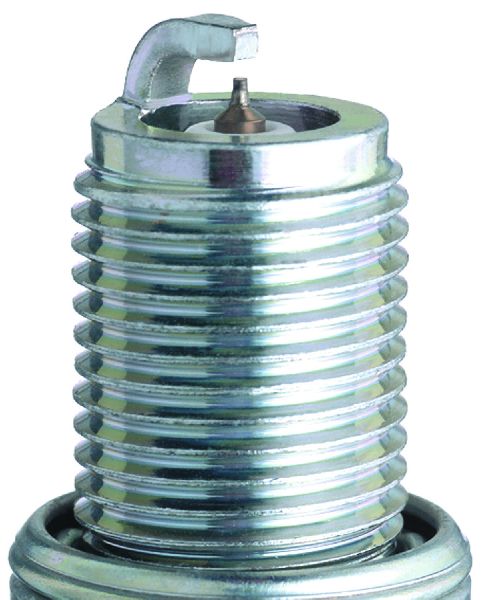
NGK offers an iridium version (BR8EIX) of this plug. Iridium plugs have a finer electrode and are designed to last longer and resist wear better. While they work, the benefits are minimal on a vintage, point-ignition engine. Standard copper plugs (like the B8ES) offer the best value and performance for your Whip 400PR.
Why do my new plugs get fouled so quickly?
If new plugs turn black and oily or wet quickly, it's called "fouling." This is almost always caused by an issue upstream of the plug. The most common causes are an incorrect fuel/oil mixture, a carburetor that is set too rich, a stuck choke, or a dirty air filter. Addressing the root cause is necessary; simply replacing the plugs won't fix the underlying problem.
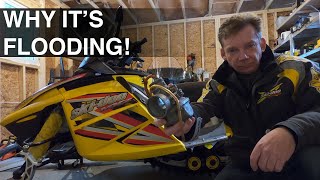
🎬 Learn why your snowmobile may be flooding or fouling plugs.Helpful Videos

Technical Specifications
Engine: Rockwell / Cuyuna 398cc twin-cylinder, 2-stroke Recommended Spark Plug: NGK B8ES or Champion N3C Spark Plug Gap: 0.020" (0.5mm)
We Have This Part in Stock

The information in this article is provided for general reference and educational purposes only. Vehicle specifications, procedures, and part compatibility can vary by production date, trim level, and region. Always consult your vehicle's factory service manual and verify part numbers before purchasing or performing repairs. Safety-critical components such as airbags, seat belts, and braking systems should be installed by a qualified professional.