

Choosing the Right Spark Plug for Your 1974-1975 Scorpion Super Stinger 340
Get reliable spark and peak performance from your vintage Super Stinger's Cuyuna engine.
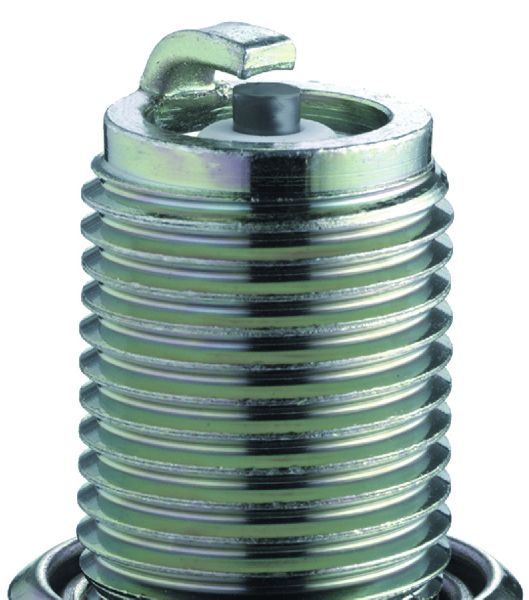
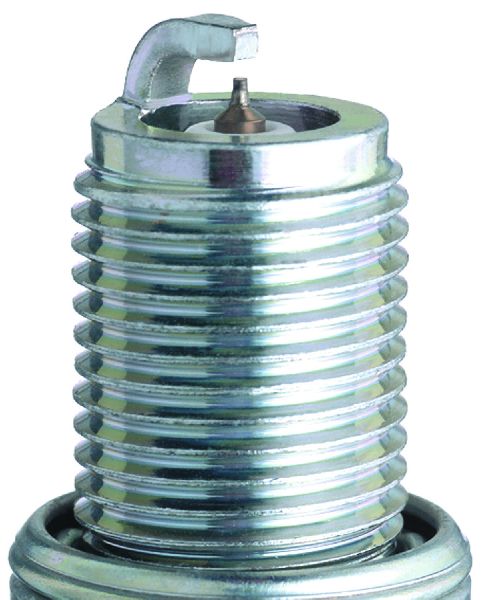
- The recommended aftermarket spark plug is the NGK BR8ES or B8ES.
- Always gap new spark plugs to 0.020 inches (0.5mm) before installing them.
- Due to the nature of two-stroke engines, it is wise to always carry spare plugs and a wrench.
- Regularly 'read' your spark plugs to monitor your engine's health and fuel mixture.
Signs of a Failing Spark Plug
On a vintage two-stroke engine like the Cuyuna 340, spark plugs are a common failure point. They can tell you a lot about how your engine is running. If your sled is acting up, a bad spark plug is one of the first things to check. Watch for these signs:
- Hard Starting or No Start: A weak or non-existent spark from a worn-out or fouled plug will make the engine difficult or impossible to start.
- Engine Misfires: You might feel the engine stumble or hesitate during acceleration. This is often caused by an inconsistent spark.
- Rough Idle: A fouled plug can cause the engine to run unevenly and stall when idling.
- Loss of Power: If your Super Stinger feels sluggish and doesn't have the snap it used to, a worn plug could be failing to ignite the fuel mixture efficiently.
- Increased Fuel Consumption: An engine with a poor spark wastes fuel, meaning you'll be filling up more often.
Choosing the Right Aftermarket Spark Plug
For a vintage snowmobile like the 1974-1975 Super Stinger, original equipment (OEM) spark plugs from the 1970s are no longer in production. Aftermarket spark plugs are the only practical choice, and high-quality brands like NGK are the modern standard for these machines.
NGK Spark Plug Options
NGK is the most commonly recommended brand for vintage Scorpion snowmobiles. For the Cuyuna 340 engine, you have a couple of excellent choices:
- NGK BR8ES: This is the go-to standard replacement plug. It's a reliable, affordable copper plug that performs well in the Super Stinger's engine. It is a resistor plug, which helps prevent radio frequency interference that could affect other electronics, though this is less of a concern on a vintage sled.
- NGK B8ES: This is the non-resistor version of the BR8ES. It performs identically but lacks the radio interference suppression. Either plug will work perfectly.
- NGK BR8EIX: This is a premium Iridium plug. Iridium is a much harder material than copper, so these plugs last significantly longer and provide a more consistent spark. While more expensive, they are more resistant to fouling, which is a common issue in two-stroke engines.
Pro Tip: Always Carry Spares
Two-stroke engines can foul plugs unexpectedly, especially if the carburetor isn't perfectly tuned. It's a smart practice to always carry one or two extra, pre-gapped spark plugs and a plug wrench with you on the trail. A five-minute plug change can save you from a long walk home.
| Specification | Value |
|---|---|
| Recommended Plug | NGK BR8ES or B8ES |
| Thread Size | 14mm |
| Thread Reach | 3/4" (19mm) |
| Hex Size (Wrench) | 13/16" (21mm) |
| Required Gap | 0.020" (0.5mm) |
Check the Gap!
New spark plugs do not always come pre-gapped to the correct specification for your engine. Always use a feeler gauge to check and set the gap to 0.020 inches before installation. An incorrect gap can cause misfires and poor performance.
Frequently Asked Questions (FAQ)
What is a "fouled" spark plug?
A fouled spark plug is one that has become coated with a substance like carbon, fuel, or oil. This coating can prevent the plug from creating a strong spark. On a Super Stinger 340, this is often caused by an incorrect fuel-to-oil ratio or a carburetor that is running too rich (too much fuel, not enough air).
How can I "read" my spark plug?
The color of the ceramic insulator on the tip of the plug after a ride can tell you about your engine's health. A light tan or grayish-brown color means the engine is running well. A black, sooty plug means the fuel mixture is too rich. A white or blistered plug means the engine is running too lean and hot, which can cause serious damage.
Should I use a hotter or colder spark plug?
The number in an NGK plug's name indicates its heat range (e.g., the '8' in BR8ES). A lower number (like B9ES) is a "colder" plug, which transfers heat away more quickly and is used in high-RPM, high-compression race engines. A higher number is a "hotter" plug. For a stock Cuyuna 340, the recommended '8' heat range is correct for general use. Sticking with the NGK BR8ES is the safest bet.
How often should I change the spark plugs?
On a vintage two-stroke, it's good practice to inspect the spark plugs every 15-20 hours of operation and replace them at the start of every season, regardless of how they look. Given their low cost, frequent replacement is cheap insurance against being stranded.
Technical Specifications
OEM Part Numbers: Bosch W260T2
Recommended Modern Plug: NGK BR8ES / B8ES. Spark Gap: 0.020" (0.5mm). Thread Size: 14mm. Thread Reach: 3/4" (19mm). Wrench Hex Size: 13/16" (21mm).
We Have This Part in Stock

The information in this article is provided for general reference and educational purposes only. Vehicle specifications, procedures, and part compatibility can vary by production date, trim level, and region. Always consult your vehicle's factory service manual and verify part numbers before purchasing or performing repairs. Safety-critical components such as airbags, seat belts, and braking systems should be installed by a qualified professional.