

Choosing the Right Spark Plug for Your 1974 Yamaha TL433F Engine
Keep your vintage Yamaha snowmobile engine firing on all cylinders with the correct aftermarket spark plugs.
- The correct spark plug heat range (e.g., NGK B7HS, B8ES, B9ES) is the most critical factor for engine health and performance.
- Fouling is the most common issue; avoid long periods of idling and always carry spare plugs and a wrench on the trail.
- NGK is a highly recommended brand for this Japanese engine, with Champion and Denso being reliable alternatives.
- Always check and set the spark plug gap before installation, typically to 0.020 inches.
Signs of a Failing Spark Plug in Your TL433F
Spark plugs are wear items, especially in a two-stroke snowmobile engine. Fouling, where the plug gets covered in oil and carbon deposits, is a common issue. Watch for these signs that it's time for a replacement:
- Hard Starting: A weak or inconsistent spark makes it difficult for the engine to fire up, especially when cold.
- Engine Misfires or Sputters: You might feel the engine hesitate or run unevenly, particularly under acceleration.
- Loss of Power: A fouled plug can't efficiently burn the fuel mixture, leading to a noticeable drop in performance.
- Rough Idle: The engine may idle erratically or stall completely.
- Increased Fuel Consumption: Inefficient combustion means you're burning more fuel for less power.
Pro Tip: Reading Your Plugs
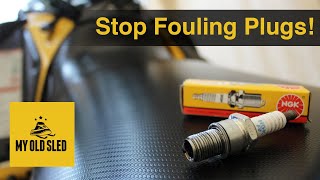
Periodically removing and inspecting your spark plugs can tell you a lot about your engine's health. A plug that is black, wet, and oily is "fouled." This can happen from excessive idling or an overly rich fuel mixture. 🎬 Learn why your sled might be constantly fouling spark plugs. A light tan or grayish-brown color on the insulator nose indicates a healthy engine and correct plug heat range.
Choosing the Right Aftermarket Spark Plug
For a vintage engine like the 1974 TL433F, you won't find original equipment manufacturer (OEM) spark plugs still in production. However, high-quality aftermarket brands like NGK, Champion, and Denso offer excellent replacements. The most important factor is choosing the correct plug with the right specifications, not just the brand name.
Understanding the Brands
When shopping for a new spark plug, you'll find several options that fit your Yamaha engine. Here’s a breakdown of the available brands:
- NGK: Often considered the gold standard for Japanese powersports engines, NGK was likely the original equipment supplier. Plugs like the B8ES and B9ES are common choices. They are known for their reliability, consistent performance, and resistance to fouling.
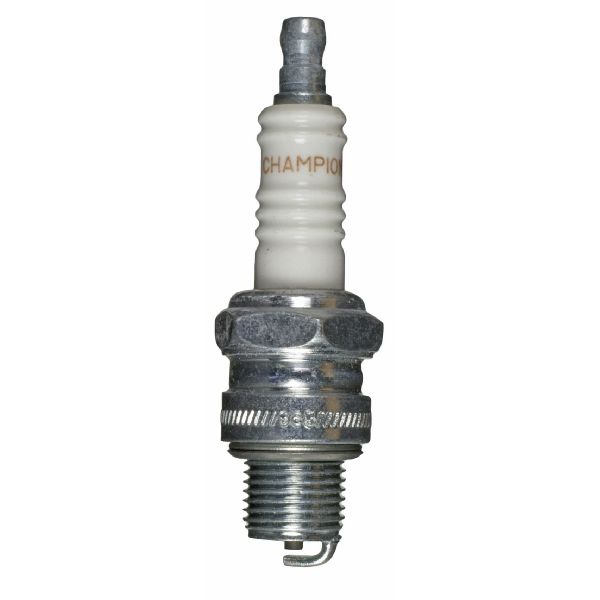
- Champion: A well-known American brand, Champion offers reliable and affordable spark plugs like the L82C, which cross-references to the NGK B7HS. They are a solid choice for general use.
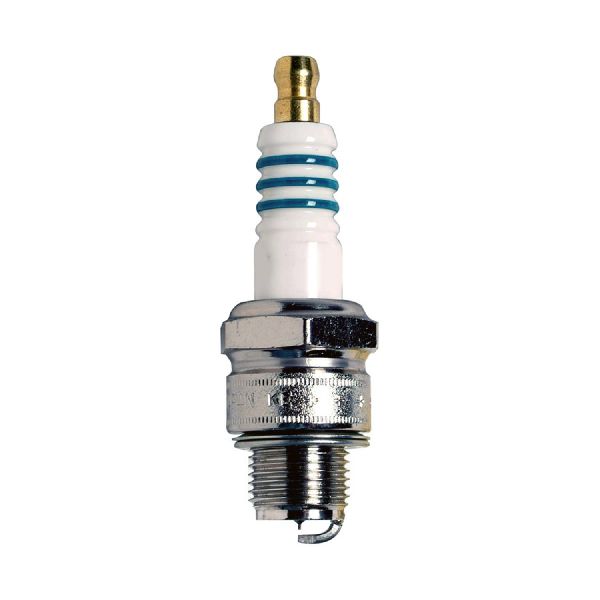
- Denso: Another top-tier Japanese manufacturer, Denso produces high-quality standard and performance plugs. Some owners may opt for their Iridium plugs for claims of longer life and improved spark efficiency, though standard copper plugs are more than sufficient for this vintage engine.
Critical Spec: Heat Range
The most critical specification for your TL433F is the spark plug's "heat range." This refers to how quickly the plug transfers heat away from its tip. A "colder" plug (like an NGK B9ES) transfers heat faster and is used for high-RPM, heavy-load riding to prevent overheating. A "hotter" plug (like an NGK B7HS or B8ES) transfers heat slower, which helps burn off carbon deposits during lower-speed riding and idling. Using the wrong heat range can lead to engine damage or constant plug fouling. Always start with the standard recommended plug and only change heat ranges if your riding style demands it.
Aftermarket Spark Plug Cost for 1974 Yamaha TL433F
| Part Tier | Typical Price Range | Notes |
|---|---|---|
| Good (Standard Nickel/Copper) | $3.48 - $6.00 | Includes standard plugs from Champion (L82C) and NGK (B7HS, B8ES). Excellent for most users. |
| Better (Performance Standard) | $5.00 - $10.00 | Includes colder heat range plugs like the NGK B9ES for more aggressive riding. |
| Best (Iridium) | $10.00 - $17.05 | Includes Denso and NGK Iridium plugs. Offers longer life but may be unnecessary for a vintage engine. |
Frequently Asked Questions (FAQ)
How often should I change the spark plugs on my TL433F?
For a vintage two-stroke snowmobile, it's good practice to inspect your plugs every 20-30 hours of use and replace them at the start of every season, or more often if you experience fouling. They are inexpensive, and fresh plugs are key to reliability. It's always wise to carry a spare set and a plug wrench with you on the trail.
What is the correct spark plug gap?
The recommended spark plug gap is typically around 0.020 inches (0.5mm) for standard plugs in this engine. However, always verify with a service manual if possible. Some plugs come pre-gapped, but it's essential to check and adjust it with a feeler gauge before installation.
Can I use a spark plug from a car in my snowmobile?
No. You must use a spark plug with the correct thread size, reach, and heat range for your engine. Using an incorrect plug can cause poor performance at best and severe engine damage at worst.
Are there any recalls for the 1974 Yamaha TL433F spark plug?
No recalls or technical service bulletins (TSBs) were found from the NHTSA or in general searches related to spark plugs for the 1974 Yamaha TL433F snowmobile engine.
Helpful Videos
Technical Specifications
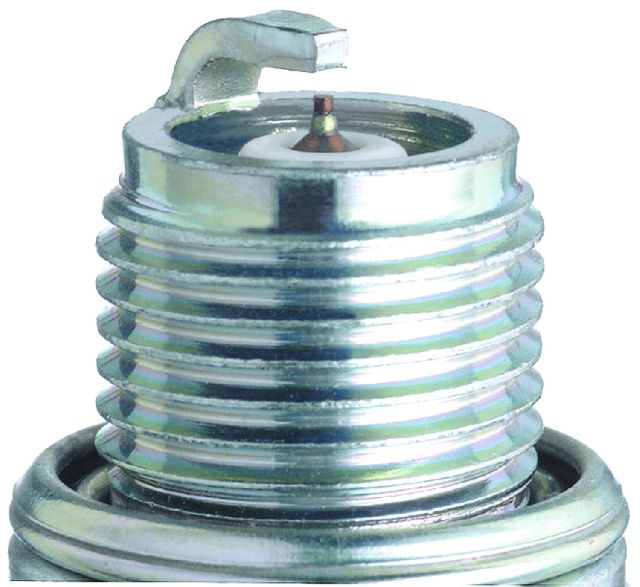
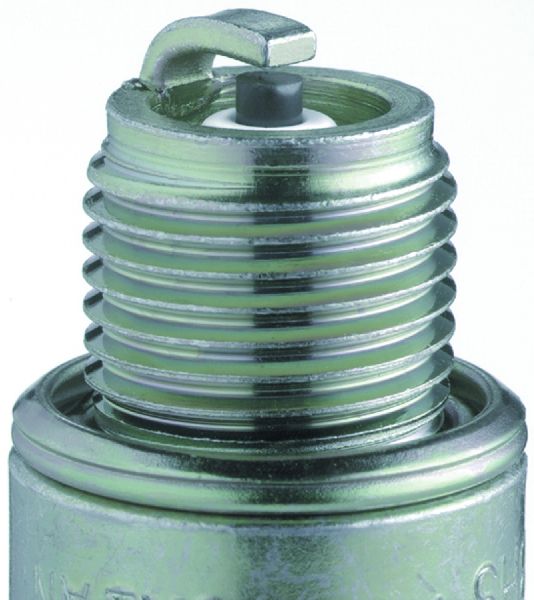
Standard Plug: NGK B8ES or equivalent. Colder Plug: NGK B9ES. Hotter Plug: NGK B7HS. Thread Size: 14mm. Hex Size: 13/16". Reach: 19mm (3/4"). Seat: Gasket. Gap: Approx. 0.020".
We Have This Part in Stock

The information in this article is provided for general reference and educational purposes only. Vehicle specifications, procedures, and part compatibility can vary by production date, trim level, and region. Always consult your vehicle's factory service manual and verify part numbers before purchasing or performing repairs. Safety-critical components such as airbags, seat belts, and braking systems should be installed by a qualified professional.