

A Guide to Spark Plugs for the 1974 Dodge M350
Keep your classic Dodge V8 running strong by choosing the right spark plugs for your specific engine.
- Identify your specific V8 engine (318, 360, 440, etc.) before buying plugs.
- Standard copper-core plugs from brands like Champion, Autolite, or NGK are the best choice for a stock engine.
- Always check and set the spark plug gap to your engine's specification (typically 0.035") before installation.
- Replace spark plugs as a full set for balanced engine performance.
Before You Buy: Identify Your Engine
The single most important factor when choosing spark plugs for your 1974 Dodge M350 is knowing which engine it has. The M350 was a chassis-cab truck, and different engines were available. The correct spark plug is matched to the engine, not the truck model. Common V8 engines for this era include the 318, 360, 400, and 440. Check the data plate on your vehicle or engine block to confirm what you have before purchasing parts.
Signs of Failing Spark Plugs
Worn-out spark plugs can cause a number of noticeable engine problems. Because your 1974 truck doesn't have modern computer diagnostics, you need to rely on what the engine is telling you. Symptoms include:
- Rough Idle: The engine may shake or vibrate more than usual when stopped.
- Hard Starting: It may take longer to crank the engine before it starts, especially in cold weather.
- Engine Misfires: You might feel a stumble, hesitation, or jerking sensation during acceleration as one or more cylinders fail to fire correctly.
- Poor Acceleration: The truck may feel sluggish or down on power when you press the gas pedal.
- Reduced Fuel Economy: Inefficient combustion forces the engine to use more fuel.
Pro Tip: Read Your Old Plugs
When you remove the old spark plugs, inspect their tips. The color and condition can tell you a lot about your engine's health. A light tan or grayish color is normal. Black, sooty deposits can indicate a rich fuel mixture, while oily residue could point to an internal oil leak.
Choosing the Right Aftermarket Spark Plug
For a vintage ignition system like the one in your M350, newer doesn't always mean better. The original ignition was designed for standard copper-core spark plugs. While modern platinum or iridium plugs are available, they are often unnecessary and may not provide any benefit.
Brand & Quality Tiers
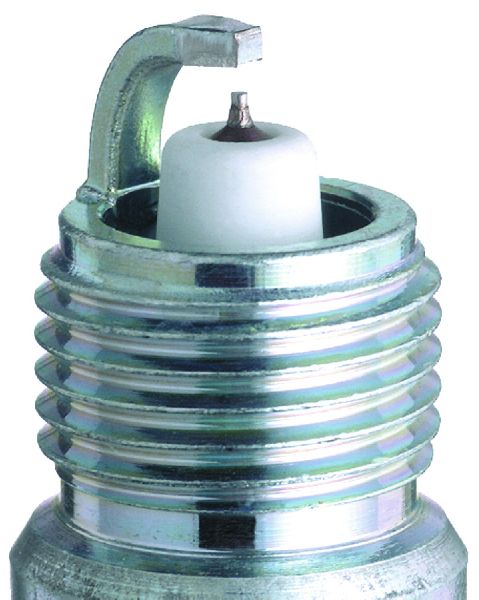
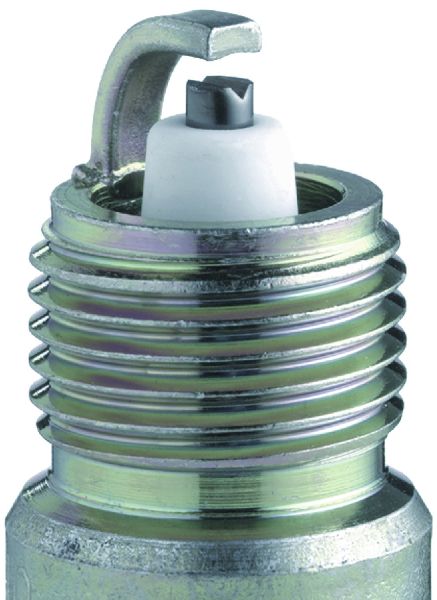
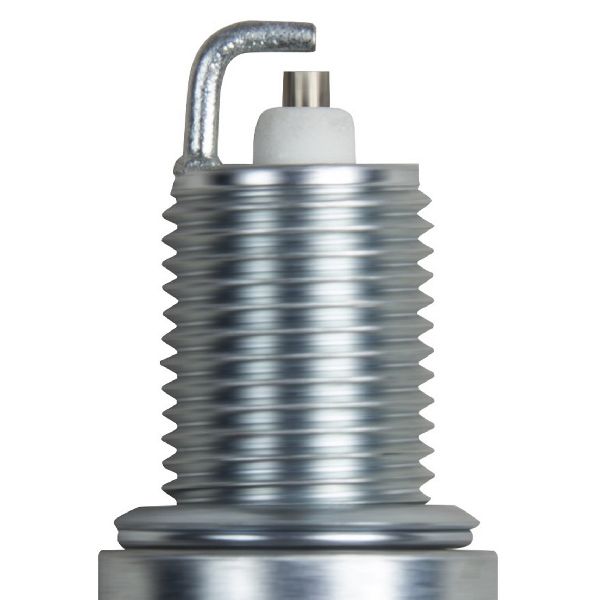
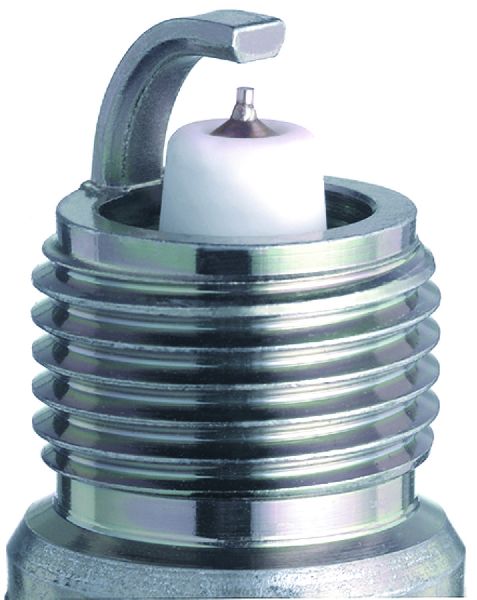
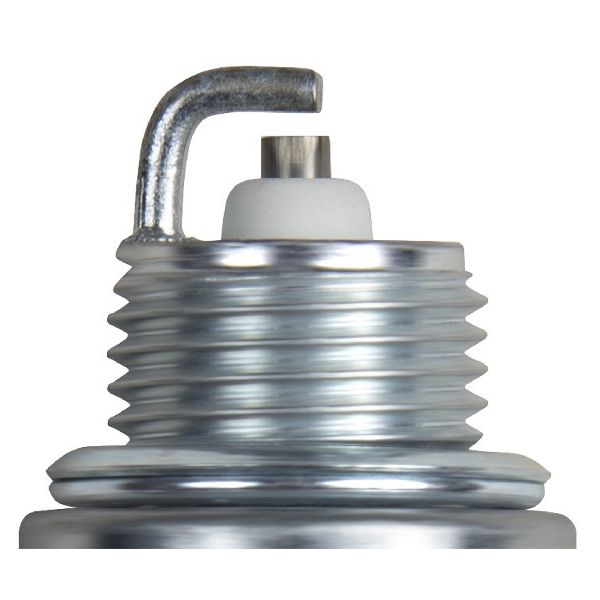
- Standard/OEM-Equivalent (Recommended): Brands like Autolite (Copper Core), Champion, and NGK (V-Power) are excellent choices for a stock or lightly modified engine. Champion was a frequent original equipment supplier for Chrysler products in the 1970s, making them a historically accurate choice. These plugs provide reliable performance and are very affordable.
- Performance: Brands like Accel and MSD are geared towards modified engines with upgraded ignition systems. If your M350 has a stock engine, these are likely overkill.
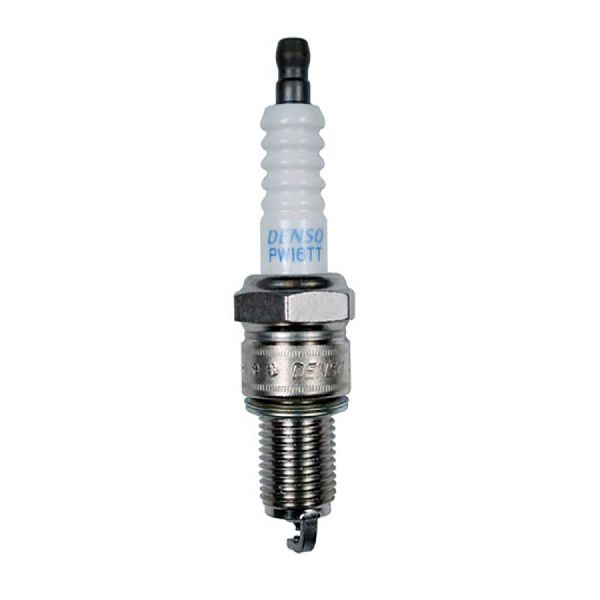
- Modern Materials (Iridium/Platinum): Plugs from Denso or high-end versions from NGK use precious metals designed for modern, high-energy ignition systems. While they fit, they won't necessarily offer better performance on a stock 1974 ignition and are significantly more expensive. Stick with standard copper or nickel-alloy plugs for the best results.
A Note on Resistor vs. Non-Resistor Plugs
Most spark plugs are "resistor" plugs, designed to suppress radio frequency interference (RFI) that can affect radios and other electronics. For a classic vehicle, this is usually what you want. Non-resistor plugs, like the Autolite 2974, are typically for older or racing applications without sensitive electronics and can provide a slightly more powerful spark. Unless you have a specific reason, a standard resistor plug is the safe bet.
| Quality Tier | Common Brands | Estimated Price Range |
|---|---|---|
| Standard Replacement | Autolite, Champion, NGK V-Power | $28 - $60 |
| Performance / Modern Material | Accel, MSD, NGK Iridium, Denso | $60 - $650+ |
Frequently Asked Questions
How often should I change the spark plugs on my M350?
For a 1974 vehicle using standard copper-core spark plugs, a good rule of thumb is to inspect them every 10,000-15,000 miles and replace them every 20,000-30,000 miles, or as needed based on their condition.
What is the correct spark plug gap?
The correct gap is critical for performance. For most Chrysler V8s of this era with electronic ignition, the gap is typically set to 0.035 inches. However, you should always verify the correct specification for your specific engine and ignition system. Use a feeler gauge or gapping tool to check and adjust every new spark plug before installation.
Can I replace just one bad spark plug?
While you can, it's not recommended. Spark plugs wear out together. Replacing them as a complete set ensures even performance across all cylinders and saves you from having to do the job again when the next old plug fails.
Do I need to use anti-seize on the threads?
This is a topic of debate. Many modern spark plugs from brands like NGK have a special plating that prevents seizing and they recommend not using anti-seize. If you do use anti-seize, use only a very small amount on the threads (not the electrode) and reduce your final torque by about 10-15% to avoid over-tightening.
Technical Specifications
Spark plug selection is entirely dependent on the engine installed in the truck (e.g., 318, 360, 440 V8). Common plug thread size is 14mm. The typical spark plug gap for Chrysler electronic ignition systems of this era is 0.035 inches. Always verify specifications for your particular engine.
We Have This Part in Stock

The information in this article is provided for general reference and educational purposes only. Vehicle specifications, procedures, and part compatibility can vary by production date, trim level, and region. Always consult your vehicle's factory service manual and verify part numbers before purchasing or performing repairs. Safety-critical components such as airbags, seat belts, and braking systems should be installed by a qualified professional.