

A Guide to Drum Brake Hardware for the 1973-1988 Buick Regal
Don't let worn-out springs and clips compromise the stopping power of your classic Regal.
- Always replace the drum brake hardware kit when you replace your brake shoes to ensure safety and performance.
- A low or spongy brake pedal is a serious symptom often linked to a failed self-adjuster in the hardware kit.
- Reputable aftermarket brands like Raybestos, Centric, and Dorman offer reliable, OE-quality hardware for a low price.
- Brake hardware should always be replaced in pairs (both rear wheels) to ensure even braking.
Is Your Regal's Rear Braking Feeling Off? Check the Hardware.
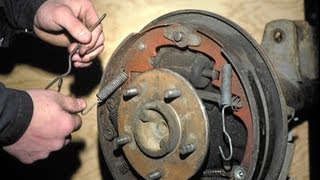
If you own a classic 1973-1988 Buick Regal, you know 🎬 Watch this step-by-step drum brake replacement on an '83 Regal. that the rear drum brakes are a simple and effective system. However, the small parts that make it all work—the springs, clips, and adjusters—don't last forever. After decades of heat cycles, moisture, and constant tension, this hardware can rust, weaken, and fail. When it does, your braking performance and safety are at risk. Replacing the drum brake hardware is a critical maintenance job that should be done whenever you replace 🎬 See how to properly disassemble rear brakes on GM vehicles. your brake shoes.
Symptoms of Worn Drum Brake Hardware
Failing brake hardware can cause a range of problems. You might notice new sounds or a change in how your brake pedal feels. Ignoring these signs can lead to more expensive repairs.
- Scraping or Dragging Noises: A common sign is a metallic scraping or dragging sound from the rear wheels, especially when the brakes are not applied. This can happen when a weak or broken return spring fails to pull a brake shoe fully away from the drum.
- Spongy or Low Brake Pedal: If the self-adjuster mechanism seizes due to rust, it can no longer keep the shoes close to the drum as they wear. This creates excessive clearance, forcing you to press the pedal further down to engage the brakes.
- Poor Parking Brake Performance: The parking brake lever and cable connect to the rear brake shoes. If the hardware is worn or the adjuster is seized, the parking brake may feel loose or not hold the car securely.
- Brake Dragging or Overheating: Rusted or broken springs can cause a shoe to remain in contact with the drum, leading to constant friction. This can cause the brake to overheat, which you might notice as a burning smell or even smoke from the wheel area after a drive.
No Recalls, Just Age
Searches of the National Highway Traffic Safety Administration (NHTSA) database show no recalls or specific technical service bulletins (TSBs) for the drum brake hardware on 1973-1988 Buick Regals. Any failure you experience is due to the normal wear and tear of these 30+ year old components.
Choosing the Right Aftermarket Hardware Kit
Since Original Equipment Manufacturer (OEM) hardware kits are no longer available for a vehicle of this age, you will be choosing from aftermarket brands. The good news is that many aftermarket companies produce quality parts that meet or exceed the original specifications. For a part like this, brand choice is less about performance and more about quality materials and fitment.
| Brand Tier | Brands | Quality & Notes |
|---|---|---|
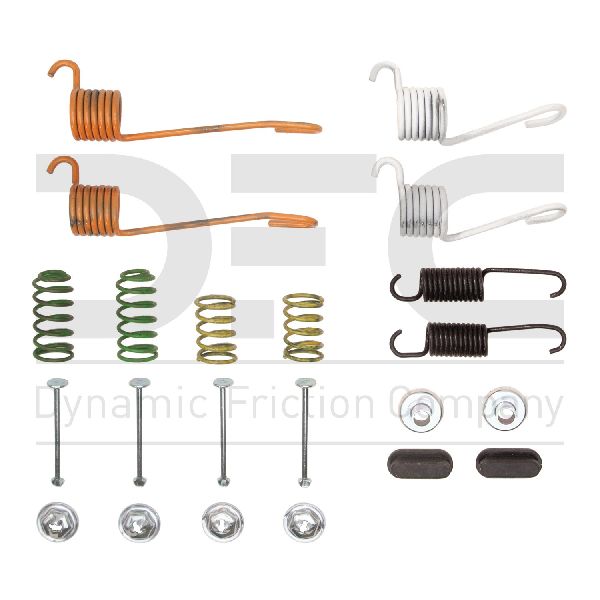
| Quality Aftermarket | Dynamic Friction (DFC), Raybestos, Centric | These brands are well-regarded in the aftermarket. DFC is sometimes noted for using more stainless steel components, which resist corrosion better. Raybestos and Centric are trusted names that have supplied brake parts for decades. You can be confident in the fit and function of these kits. |
| Standard Aftermarket | Carlson, Dorman | Carlson is a major supplier of brake hardware, and many other brands may even source their parts from them. Dorman is known for producing a vast range of OE-equivalent parts. Both are reliable, budget-friendly choices that will get the job done effectively. |
Pro Tip: Replace Everything at Once
Never reuse old brake hardware. The cost of a new kit is very low compared to the cost of brake shoes and your time. When you replace the brake shoes, you should always install a new hardware kit. This ensures all components have the same lifespan and that your new shoes will function correctly.
Frequently Asked Questions (FAQ)
Do I really need to replace the hardware if it looks okay?
Yes. Metal springs lose their tension over time from millions of cycles and constant heat. Even if a spring isn't broken, it may not be strong enough to pull the brake shoe back effectively, leading to brake drag. For the low cost of a kit, it is always worth replacing.
Can I just replace one side?
You should always service brakes in pairs (both rear wheels at the same time). This ensures your car brakes evenly and doesn't pull to one side. Replacing hardware and shoes on both sides will result in balanced and predictable braking.
What is a self-adjuster and why does it fail?
The self-adjuster is a small threaded part that expands to push the shoes closer to the drum as the linings wear down. It typically works when you apply the brakes while backing up. These adjusters often fail because brake dust and corrosion cause the threads to seize, preventing them from turning. A new hardware kit includes a new, clean, and lubricated adjuster.
🎬 Follow this guide to correctly assemble your new drum brakes.Is there a difference in hardware between Regal model years?
Yes, there can be differences. The 1973-1977 A-body Regals and the 1978-1988 G-body Regals may use different brake components. Always confirm the exact year and model of your car when ordering parts to ensure you receive the correct kit.
Helpful Videos
Technical Specifications
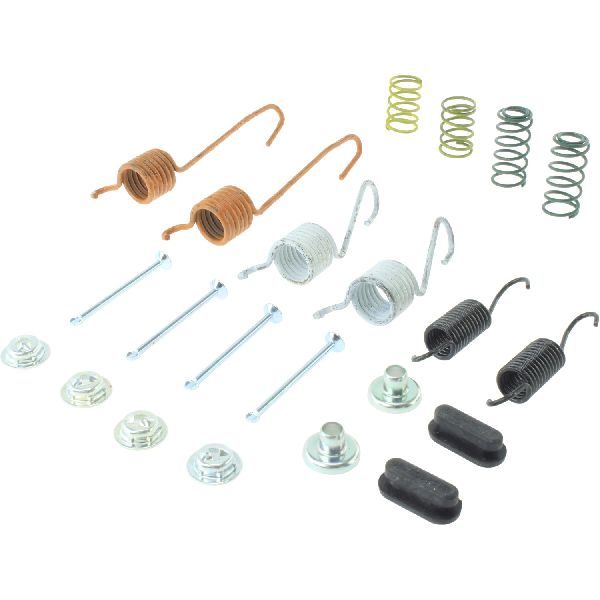
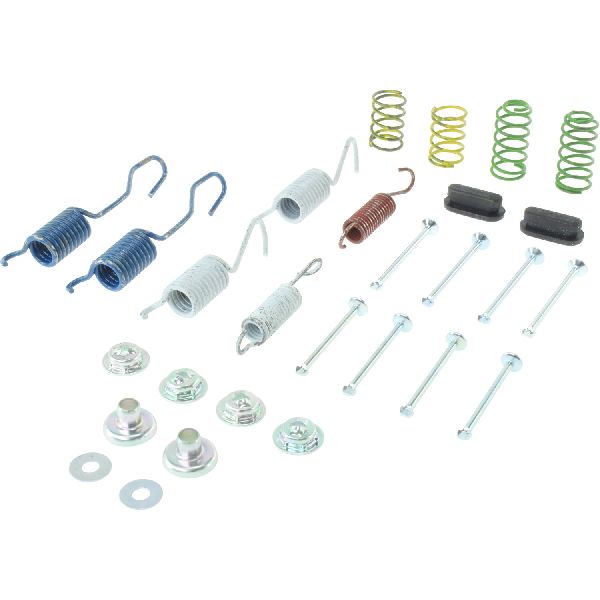
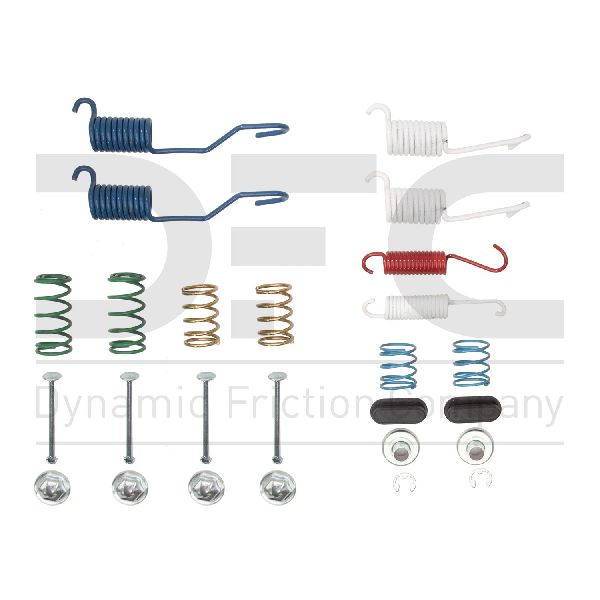
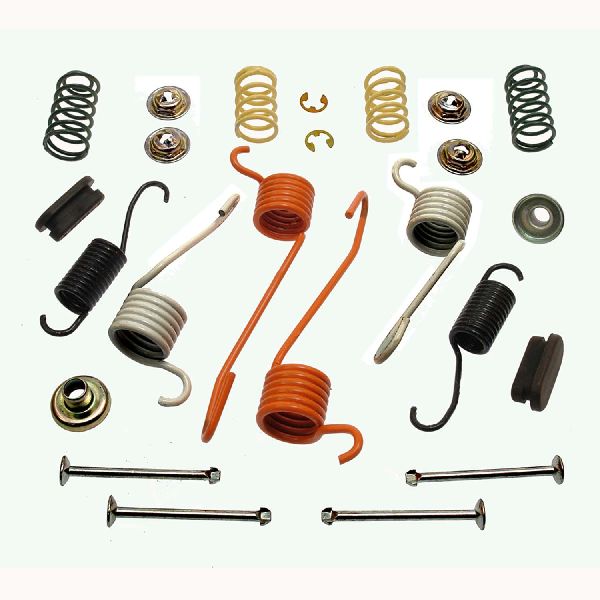
Kit typically includes return springs, hold-down springs, clips, pins, and a self-adjuster assembly.
We Have This Part in Stock

The information in this article is provided for general reference and educational purposes only. Vehicle specifications, procedures, and part compatibility can vary by production date, trim level, and region. Always consult your vehicle's factory service manual and verify part numbers before purchasing or performing repairs. Safety-critical components such as airbags, seat belts, and braking systems should be installed by a qualified professional.