

Choosing the Right Transmission Filter Kit for Your 1973-1981 Toyota Celica
Keep your classic Celica's automatic transmission shifting smoothly with the correct filter kit.
- Aftermarket kits are the primary option; OEM parts are very rare for this vehicle.
- Symptoms like rough shifting, whining, or slipping gears point to a clogged filter needing immediate attention.
- Brand quality varies; Beck Arnley is considered an OE-style replacement, while ATP and Premium Guard are solid mid-tier choices.
- Replacing the filter and fluid every 30,000-45,000 miles is key to preserving the original automatic transmission.
Symptoms of a Clogged Transmission Filter
When the transmission filter gets clogged, it restricts the flow of fluid, which can starve the transmission and cause problems. Ignoring these signs can lead to serious transmission damage. Look out for these common symptoms:
- Delayed or Rough Shifting: The car may hesitate or jerk when you shift from park into drive or reverse, or between gears while driving. This is often one of the first signs of low fluid pressure from a blockage.
- Slipping Gears: You might notice the engine revving higher than usual between shifts, or the transmission may feel like it's struggling to stay in gear.
- Whining or Grinding Noises: Strange noises from the transmission area can signal that the pump is working harder to pull fluid through a clogged filter.
- Burning Smell: A restriction in fluid flow can cause the transmission to run hotter than normal, which can burn the fluid and create a distinct smell. You may also notice the fluid on the dipstick looks dark and murky instead of bright red.
- Fluid Leaks: In some cases, a clogged filter can cause excess pressure to build up, leading to leaks from gaskets or seals.
No Recalls or TSBs Found
As of early 2026, there are no active recalls or vehicle-specific Technical Service Bulletins (TSBs) from the NHTSA for the transmission filter or automatic transmission on the 1973-1981 Toyota Celica. Any issues are typically related to age and normal wear.
Choosing the Right Aftermarket Transmission Filter
For a classic vehicle like the first or second-generation Celica, original OEM parts are extremely rare and often only available as expensive "New Old Stock" (NOS). Aftermarket parts are the most practical and common choice. Quality can vary, so it's helpful to understand the different tiers of brands available.
Brand Quality Tiers
Tier 1: OE-Style Replacement
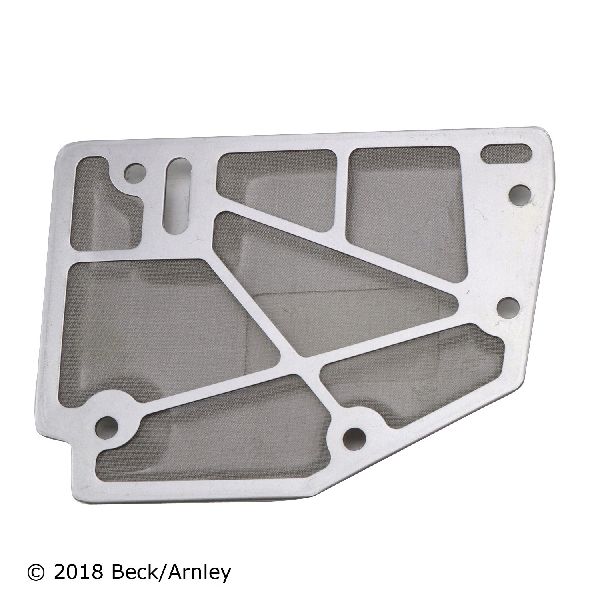
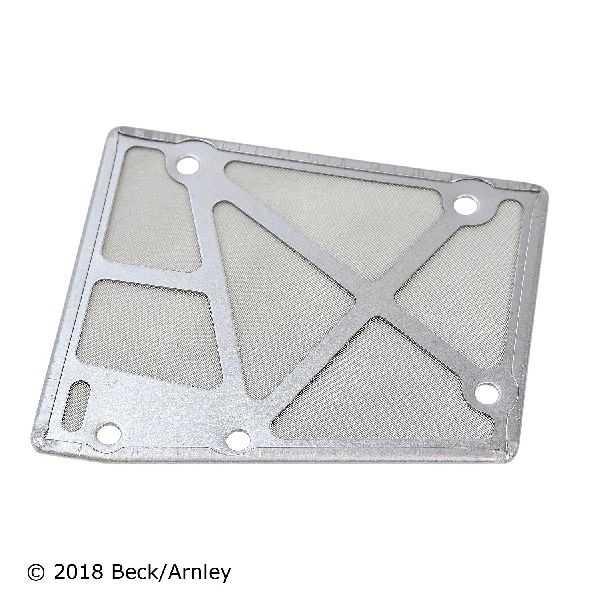
- Beck Arnley: This brand specializes in parts for foreign nameplates and has a reputation for providing parts that match original equipment (OE) form, fit, and function. They often source from the same manufacturers that supplied Toyota originally, making them a top-tier choice for a direct, quality replacement.
Tier 2: Quality Aftermarket
- ATP: A well-known aftermarket brand, ATP offers reliable filter kits. Many mechanics and DIYers have used them without issue. Some of their kits include a "third hand" gasket with undersized holes to hold bolts in place during installation, which can be helpful. However, be sure to inspect the gasket upon arrival, as there are occasional reports of it being damaged from being folded in the box.
- Premium Guard: This brand engineers its filters to meet or exceed OEM requirements. Reviews of their other filter products are generally positive, citing good build quality and materials, making them a solid, reliable option.
Tier 3: Economy/Budget
- Pioneer Cable: While reviews for their filter kits are scarce, feedback on other transmission-related parts like cables is mixed. They can be a suitable budget-friendly option, but may not have the same level of quality control or material refinement as higher-tier brands.
Pro Tip: Check the Gasket
The kit should always include a new pan gasket. Never reuse the old one. The A40 transmission uses a simple pan, and a quality gasket is key to preventing leaks. Some ATP kits have gaskets designed to hold the bolts, making it easier to line up the pan.
Cost Comparison for a Transmission Filter Kit Replacement
| Part/Service | Estimated Cost |
|---|---|
| New Aftermarket Kit | $12 - $57 |
| Shop Labor | $100 - $200 |
| New OEM Kit (NOS) | $100+ (If found) |
Frequently Asked Questions (FAQ)
How often should I change the transmission filter on my Celica?
For a classic car like the 1973-1981 Celica, a good rule of thumb is to change the transmission fluid and filter every 30,000 to 45,000 miles, or if you notice any symptoms of a clogged filter. Regular changes are the best way to extend the life of your original A40-series transmission.
What type of transmission fluid should I use?
Always consult your owner's manual or a reliable service manual. Most Toyota vehicles of this era use a Dexron-type Automatic Transmission Fluid (ATF). Check the specifications for a fluid compatible with Dexron II or III, but verify for your specific year and model as recommendations can change.
Is the pan gasket included in the kit?
Yes, all the listed aftermarket brands (ATP, Beck Arnley, Pioneer Cable, Premium Guard) typically include a new pan gasket with their filter kits. It is critical to use the new gasket to ensure a proper seal and prevent leaks.
Can I do this replacement myself?
Yes, this is a common DIY job for those with basic mechanical skills and tools. The process involves safely raising the vehicle, draining the fluid, removing the transmission pan, replacing the filter, cleaning the pan and magnet, and reinstalling everything with the new gasket. It can be messy, so be prepared with a large drain pan.
Technical Specifications
Vehicle uses a Toyota A40-series 3-speed or 4-speed automatic transmission. Filter kits are specific to this transmission family.
We Have This Part in Stock


The information in this article is provided for general reference and educational purposes only. Vehicle specifications, procedures, and part compatibility can vary by production date, trim level, and region. Always consult your vehicle's factory service manual and verify part numbers before purchasing or performing repairs. Safety-critical components such as airbags, seat belts, and braking systems should be installed by a qualified professional.