

A Guide to Spark Plugs for the 1973-1981 Pontiac Acadian
Keep your classic Acadian running smoothly with the correct set of spark plugs for its simple, reliable engine.
- For the Acadian's simple engine, standard copper-core spark plugs from brands like AC Delco, NGK, or Autolite are the best choice.
- Expensive platinum or iridium plugs are not necessary and provide no significant benefit for this vehicle.
- Always check and adjust the spark plug gap before installation; a common setting for this engine is between .035 and .045 inches.
- Due to the simple engine design, plan to replace spark plugs every 15,000-20,000 miles to maintain peak performance and reliability.
Symptoms of Failing Spark Plugs
When your Acadian's spark plugs are worn out, the engine's performance will suffer. The signs are often subtle at first but will become more noticeable over time. Because these cars have simple, carbureted engines, they are more sensitive to spark plug condition than modern vehicles.
- Rough Idle: The engine may shake, sputter, or sound uneven when the car is stopped.
- Engine Misfires: You might feel a hesitation, stumble, or loss of power from the engine, especially when you accelerate.
- Reduced Power: Your Acadian may feel sluggish or slow to respond when you press the gas pedal.
- Worse Fuel Economy: Worn plugs lead to incomplete fuel combustion, making you stop for gas more often.
- Difficulty Starting: Fouled or worn-out plugs can make it harder for the engine to start, particularly in cold or damp weather.
Don't Ignore the Signs
Continuously driving with misfiring spark plugs can allow unburned fuel to enter the exhaust, which can be inefficient and lead to other issues over time. Addressing worn plugs is a simple and inexpensive way to maintain engine health.
Choosing the Right Aftermarket Spark Plug
For a classic vehicle like the 1973-1981 Pontiac Acadian, you do not need expensive, high-tech spark plugs. The original High-Energy Ignition (HEI) system was designed for traditional, reliable spark plugs. The most important factors are choosing a plug with the correct heat range and setting the proper gap.
Brand Quality & Tiers
Many mechanics have their favorite brands, but for your Acadian's straightforward engine, any of these reputable manufacturers will provide good performance if the plug is correct for the application.
- OEM-Equivalent (Good): AC Delco is the original parts manufacturer for General Motors. Choosing a standard AC Delco copper plug is a safe bet for original-level performance.
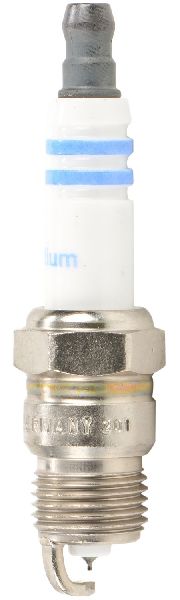
- Top-Tier Aftermarket (Better): NGK is a highly respected brand known for quality and reliability across many makes and models, including classic cars. Their V-Power line is a popular upgrade for engines like the one in your Acadian.
- Trusted Aftermarket (Good): Autolite and Champion are long-standing American brands that offer affordable and reliable copper-core spark plugs that are perfectly suitable for your vehicle. Many owners of classic GM cars use these brands with great success.
- Performance-Oriented (Specialty): Brands like MSD are focused on high-performance and racing applications. While they make quality products, their spark plugs are generally unnecessary for a stock or lightly modified Acadian engine.
Stick with Copper
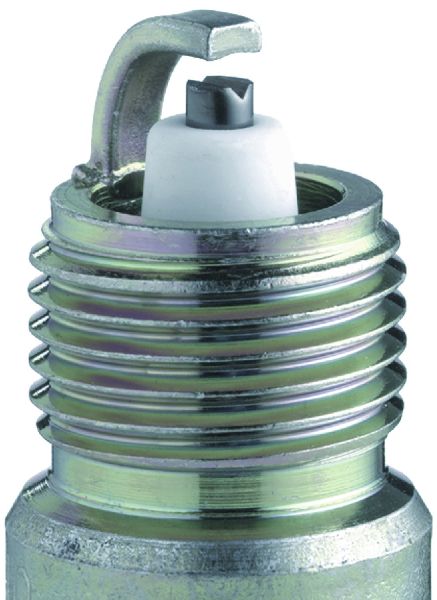
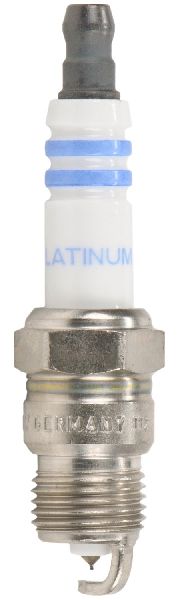
The 1.4L and 1.6L engines in these cars were designed for standard copper-core spark plugs. Expensive iridium or platinum plugs offer no real advantage here and are not worth the extra cost. Copper plugs provide excellent performance and are very affordable, even if they need to be changed a bit more often.
| Tier | Brand Examples | Price Range (per plug) |
|---|---|---|
| Trusted Aftermarket | Autolite, Champion | $3.61 - $6.00 |
| Top-Tier Aftermarket | NGK, Bosch | $4.50 - $9.00 |
| Performance | MSD | $10.00 - $16.68 |
Known Issues, Recalls, or TSBs
There are no known recalls or technical service bulletins (TSBs) from the NHTSA related to spark plugs for the 1973-1981 Pontiac Acadian. Any issues you encounter will likely be due to normal wear and tear, which is expected for a maintenance item like a spark plug.
Frequently Asked Questions (FAQ)
How often should I change the spark plugs on my Acadian?
For a carbureted engine with standard copper spark plugs, a good interval is every 15,000 to 20,000 miles or every two years. This preventative maintenance will keep the engine running reliably and efficiently.
What is a spark plug gap and why does it matter?
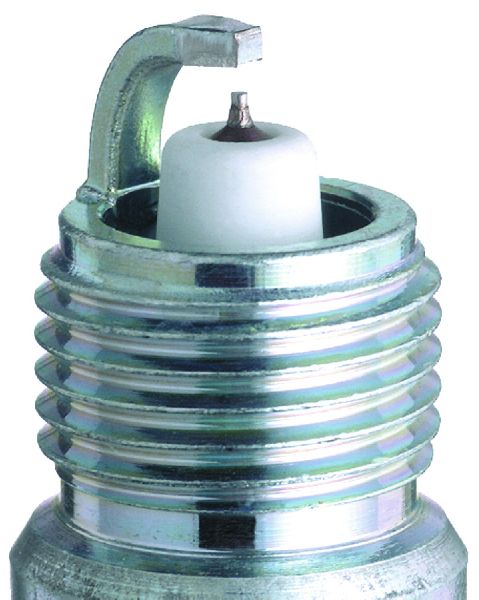
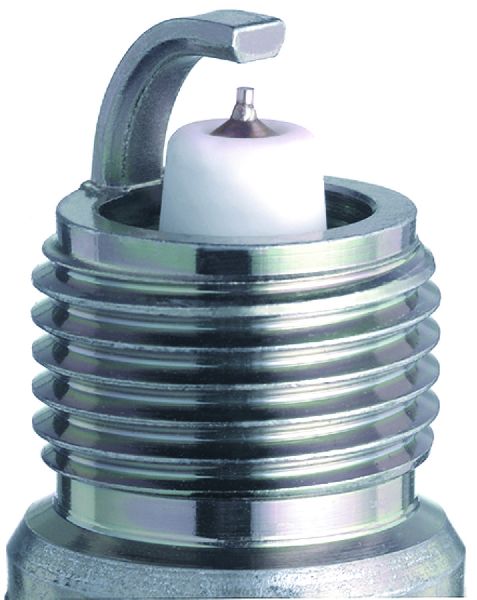
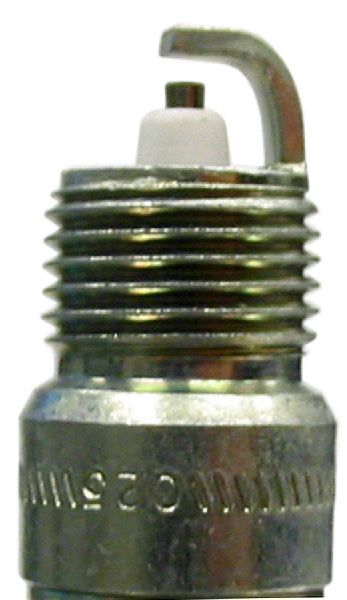
The gap is the small space between the center and ground electrodes at the tip of the plug. The spark must jump this gap to ignite the fuel. If the gap is too small or too large, the spark will be weak, leading to misfires and poor performance. Always check and adjust the gap on new plugs before installing them.
What should the spark plug gap be for my Acadian?
The exact specification can vary, so it's best to consult a service manual for your vehicle's model year. However, for GM cars of this era with a High-Energy Ignition (HEI) system, a common spark plug gap is between .035 and .045 inches. Do not assume the plugs are gapped correctly out of the box.
Should I use anti-seize on the spark plug threads?
Yes, but use it very sparingly. A tiny dab of anti-seize compound on the threads helps prevent the steel plug from getting stuck in the aluminum cylinder head. Too much can alter the plug's grounding and heat dissipation, so apply only a very thin coat, avoiding the electrode tip entirely.
Technical Specifications
OEM Part Numbers: R45TS
Engine compatibility: 1.4L OHC I4, 1.6L OHC I4. Plug Type: Standard Copper Core. Thread Size: 14mm. Ignition System: High-Energy Ignition (HEI).
We Have This Part in Stock

The information in this article is provided for general reference and educational purposes only. Vehicle specifications, procedures, and part compatibility can vary by production date, trim level, and region. Always consult your vehicle's factory service manual and verify part numbers before purchasing or performing repairs. Safety-critical components such as airbags, seat belts, and braking systems should be installed by a qualified professional.