

Guide to the 1973-1981 Chevrolet C20 Suburban Automatic Transmission Mount
Eliminate drivetrain clunks and vibrations by understanding and choosing the right transmission mount for your classic Suburban.
- A clunking noise when shifting into gear is the most common sign of a bad transmission mount on your C20 Suburban.
- For most owners, a standard rubber mount from a quality brand like Pioneer offers the best balance of performance and comfort.
- Avoid the cheapest economy brands if possible, as they are known to fail prematurely or increase vibration.
- This is an easy DIY replacement that can be done in under an hour and prevents damage to more expensive components.
Is Your C20 Suburban's Transmission Mount Failing?
On a classic truck like the 1973-1981 C20 Suburban, the transmission mount has endured decades of use. The original rubber has likely become brittle, cracked, or soft from exposure to heat and leaking fluids. When the mount fails, the transmission can move and tilt excessively under load. This movement is the source of clunking sounds and vibrations, and it puts extra stress on other expensive parts like engine mounts, U-joints, and exhaust pipes.
Symptoms of a Worn-Out Transmission Mount
- Clunking or Banging Noises: This is the most common symptom. You may hear a loud clunk or thud when shifting from Park into Drive or Reverse. The noise can also occur when you accelerate hard or let off the gas pedal suddenly as the transmission shifts in its cradle.
- Excessive Vibrations: A new vibration felt through the floor or seat, especially at idle while in gear, points to a bad mount. The worn rubber can no longer absorb the normal vibrations of the drivetrain.
- Drivetrain Movement: In severe cases, you might feel the whole truck jerk when accelerating from a stop. A visual inspection under the truck may reveal the transmission is sagging or not sitting level.
Check Your Engine Mounts, Too
The transmission mount and engine mounts work together to hold the entire powertrain in place. When one fails, it puts extra stress on the others. It is highly recommended to inspect your engine mounts when replacing the transmission mount, as they often wear out around the same time.
Choosing the Right Aftermarket Mount for Your Suburban
Since new original GM mounts are no longer produced for these trucks, you will be choosing from aftermarket brands. Quality can vary, so it's important to pick the right one for your needs.
Brand Tiers & Materials
- Standard Replacement (Good): Brands like Pioneer offer a direct, factory-style rubber replacement. These are designed to restore the original ride quality and are ideal for most daily driven or stock Suburbans. Reviews for Pioneer are generally positive, with many stating they fit and perform like the original part.
- Economy (Use with Caution): Brands like Anchor are widely available and very inexpensive. However, they have a reputation in online forums for using harder rubber that can increase vibrations and for having a shorter service life. Consider this a budget option where cost is the primary concern.
- Performance/Heavy-Duty (Upgrade): Brands like Daystar and Lakewood offer mounts made from polyurethane instead of rubber. Polyurethane is much more durable and resistant to fluids, making it a great upgrade for trucks with high-horsepower engines, towing applications, or off-road use. The trade-off is a noticeable increase in cabin vibration because polyurethane is much stiffer than rubber.
Rubber vs. Polyurethane: Which is for you?
For a stock C20 Suburban used for regular driving, a standard rubber mount from a quality brand like Pioneer is the best choice to maintain a smooth, comfortable ride. If you tow heavy loads, have a modified engine, or want maximum durability and can tolerate more vibration, a polyurethane mount from Daystar or Lakewood is the better option.
| Brand Tier | Typical Price Range |
|---|---|
| Standard Rubber (Pioneer, etc.) | $11.55 - $18.00 |
| Performance Polyurethane (Daystar, Lakewood) | $20.00 - $100.00+ |
Frequently Asked Questions (FAQ)
Can I replace a C20 Suburban transmission mount myself?
Yes, this is a very DIY-friendly job for a home mechanic. The process involves safely supporting the transmission with a floor jack and a block of wood, unbolting the old mount from the crossmember and transmission, and then bolting the new one in. It typically requires basic hand tools and can be completed in under an hour.
Are there any recalls for this part?
No. Searches of the National Highway Traffic Safety Administration (NHTSA) database show no recalls or technical service bulletins (TSBs) for the automatic transmission mount on the 1973-1981 Chevrolet C20 Suburban. Any failure is due to the part's age and normal wear and tear.
What happens if I don't replace a bad mount?
Ignoring a failed transmission mount can lead to more expensive repairs. The excessive movement can damage your engine mounts, driveshaft U-joints, exhaust pipes, and even the transmission housing itself. It's a cheap and easy fix that prevents a chain reaction of other problems.
Will a new mount fix my transmission shifting problems?
Sometimes, but not always. While a bad mount can affect the alignment of shift linkages, causing shifting difficulty, it will not fix internal transmission problems. However, if you hear a loud clunk when shifting, the mount is almost certainly the cause of the noise.
Technical Specifications
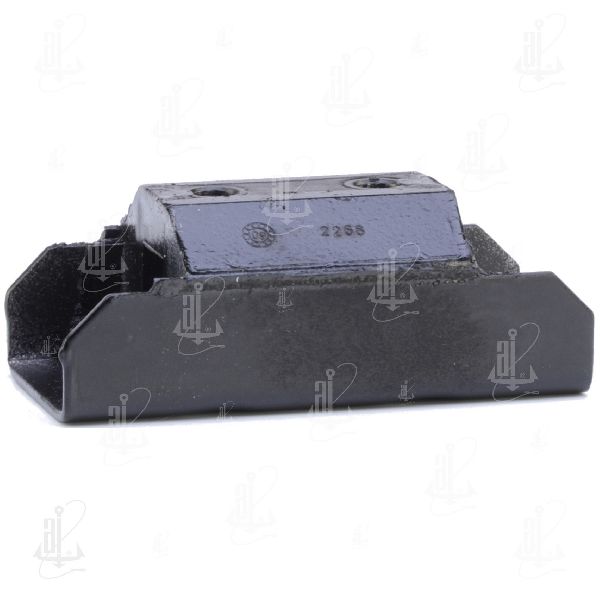
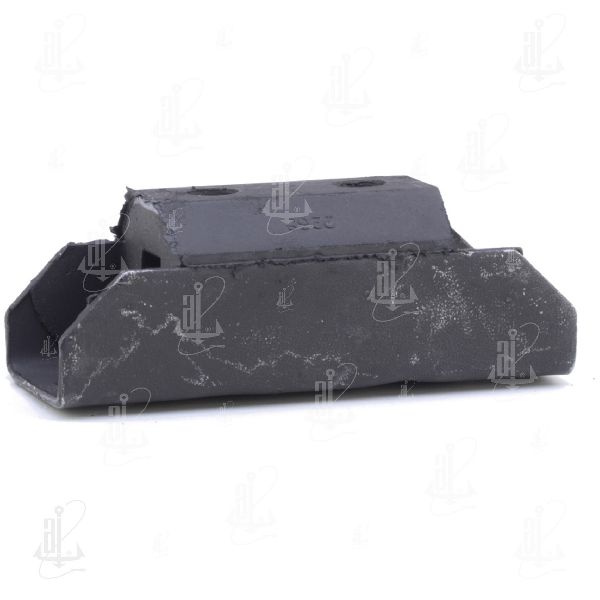
Standard mounts are made of steel and bonded rubber. Performance mounts use polyurethane. The design typically features a single- or double-stud pattern for attachment to the transmission and a wider base that bolts to the frame crossmember.
We Have This Part in Stock


The information in this article is provided for general reference and educational purposes only. Vehicle specifications, procedures, and part compatibility can vary by production date, trim level, and region. Always consult your vehicle's factory service manual and verify part numbers before purchasing or performing repairs. Safety-critical components such as airbags, seat belts, and braking systems should be installed by a qualified professional.