

Choosing the Right Distributor Cap for Your 1975-1980 Oldsmobile Starfire
Keep your classic Starfire's ignition system reliable with the correct new aftermarket distributor cap.
- You must identify your engine (4-cylinder, V6, or V8) to order the correct cap.
- No recalls exist; failure is due to normal age and wear.
- For a stock engine, a standard replacement cap from brands like Standard Ignition is perfectly adequate.
- Replacing the distributor cap and rotor is a simple, beginner-friendly DIY task that takes less than 30 minutes.
Keeping Your Starfire's Ignition Reliable
The distributor cap on your 1975-1980 Oldsmobile Starfire is a simple but essential part. It ensures each cylinder gets the spark it needs to ignite the air-fuel mixture. Over time, the high voltage and heat from the engine cause the cap to wear out. A worn or cracked cap can leave you with an engine that runs poorly or won't start at all. Since Original Equipment Manufacturer (OEM) parts from Oldsmobile are no longer produced for a vehicle of this age, a quality aftermarket cap is the only option for keeping your classic on the road.
Symptoms of a Bad Distributor Cap
When a distributor cap starts to fail, the symptoms are usually easy to notice. Look out for these common signs:
- Engine Misfires: The engine may hesitate, stumble, or run unevenly, especially when you accelerate. This happens when a cylinder doesn't get a consistent spark.
- Rough Idle: Your Starfire might shake or vibrate when stopped at a light. This can be caused by carbon buildup or corrosion on the cap's terminals.
- Hard Starting: A bad cap can make it difficult to start the engine, particularly in cold or damp weather. In severe cases, the engine will crank but refuse to start.
- Sputtering or Clicking Noises: You might hear unusual sounds from the engine as the cylinders try to fire without a proper spark.
Check for Cracks and Corrosion
You can often spot a bad distributor cap with a simple visual inspection. Remove the two clips or screws holding it down and look inside for white or greenish corrosion on the metal terminals, black carbon tracks (tiny cracks that look like pencil lines), or any visible cracks in the plastic. Moisture inside the cap is also a sign of a problem.
Choosing the Right Aftermarket Distributor Cap
The single most important step is to correctly identify your Starfire's engine. Over its life, the Starfire was equipped with several different engines, and each one requires a specific distributor cap. Ordering the wrong one is the most common mistake.
- 2.5L "Iron Duke" 4-Cylinder
- 3.8L Buick V6
- 5.0L Chevrolet V8
Once you know your engine, you can choose a brand. For a stock, daily-driven Starfire, standard replacement brands offer excellent value and reliability.
- Standard Ignition (SMP) & Walker Products: These brands are well-regarded for producing quality, OEM-equivalent parts. A cap from either of these brands will provide reliable performance for a stock ignition system.
- MSD (MSD Ignition): MSD is a performance-oriented brand. Their caps often feature brass terminals, which are more conductive and corrosion-resistant than the aluminum terminals found on some standard caps. While an MSD cap is a good upgrade, it's most beneficial if you have a high-output ignition system. For a stock engine, a standard cap is usually sufficient.
Pro Tip: HEI vs. External Coil
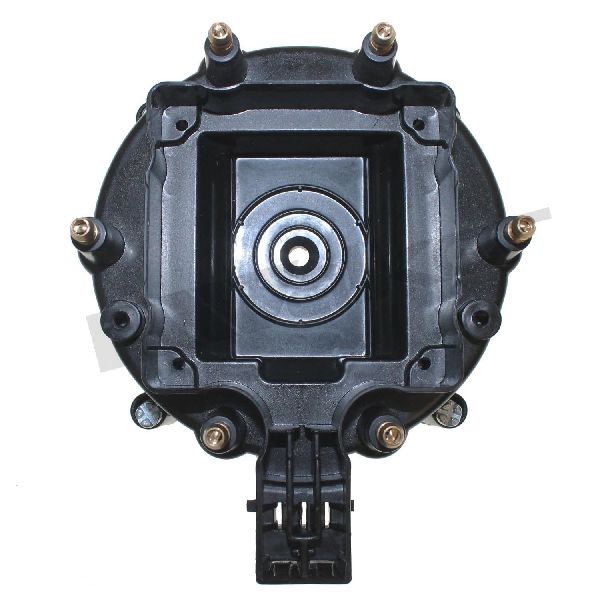
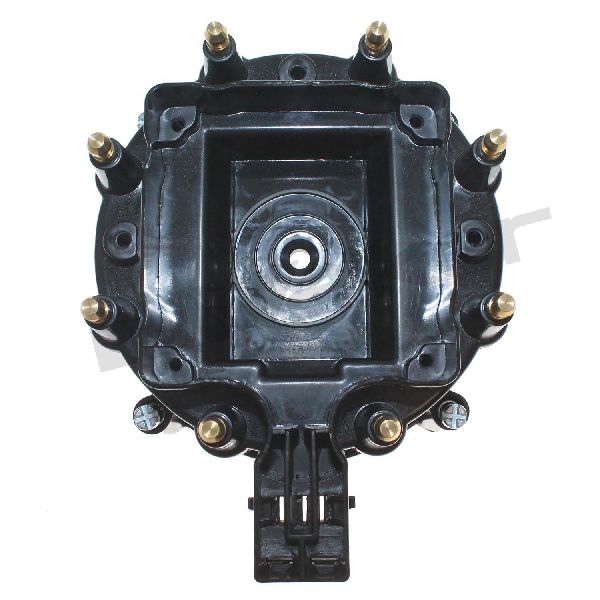
Most 1975-1980 GM vehicles, including the Starfire, use a High Energy Ignition (HEI) system, which has the ignition coil built into the top of the distributor cap. This results in a large-diameter cap. Be sure the cap you order matches your car's ignition setup, as some very early models or modified cars could have a different system.
Aftermarket Distributor Cap Cost for 1975-1980 Starfire
| Part Type | Price Range | Notes |
|---|---|---|
| New Aftermarket | $20.62 - $34.56 | This is the most common and recommended option. Price varies by brand and engine type. |
| New OEM | Not Available | Original Oldsmobile parts for this model are no longer in production. |
| Used OEM | Not Recommended | A used cap is not reliable due to age, potential for unseen cracks, and wear. |
Frequently Asked Questions
How do I know which distributor cap to buy for my Starfire?
You must know which engine your car has. Pop the hood and count the spark plug wires. Four wires mean you have the 4-cylinder, six mean a V6, and eight mean a V8. This is the most critical factor in getting the right part.
Are there any recalls or TSBs for the Starfire distributor cap?
No. A search of the National Highway Traffic Safety Administration (NHTSA) database shows no recalls or technical service bulletins for the distributor cap on the 1975-1980 Oldsmobile Starfire. Any problems you encounter are due to the part's age and normal wear and tear.
Is a more expensive cap with brass terminals better?
For a high-performance engine with an upgraded ignition system, a cap with brass terminals (like those from MSD) is a good idea because it handles higher energy better and resists corrosion. For a completely stock Starfire, a standard cap with aluminum terminals will work just fine and is more budget-friendly.
Should I replace the rotor at the same time?
Yes. The distributor rotor is the spinning part inside the cap that makes contact. It wears out at the same rate as the cap. It's a low-cost part and should always be replaced at the same time as the cap for a complete tune-up. Many caps are sold in a kit with the rotor.
Technical Specifications
The correct distributor cap is determined by the engine installed in your Starfire: 2.5L I4, 3.8L V6, or 5.0L V8. Most will use a large diameter HEI (High Energy Ignition) style cap with an integrated ignition coil.
We Have This Part in Stock


The information in this article is provided for general reference and educational purposes only. Vehicle specifications, procedures, and part compatibility can vary by production date, trim level, and region. Always consult your vehicle's factory service manual and verify part numbers before purchasing or performing repairs. Safety-critical components such as airbags, seat belts, and braking systems should be installed by a qualified professional.